
Restoring Your Budget: How High-Efficiency HVAC Rebates Pay for Themselves
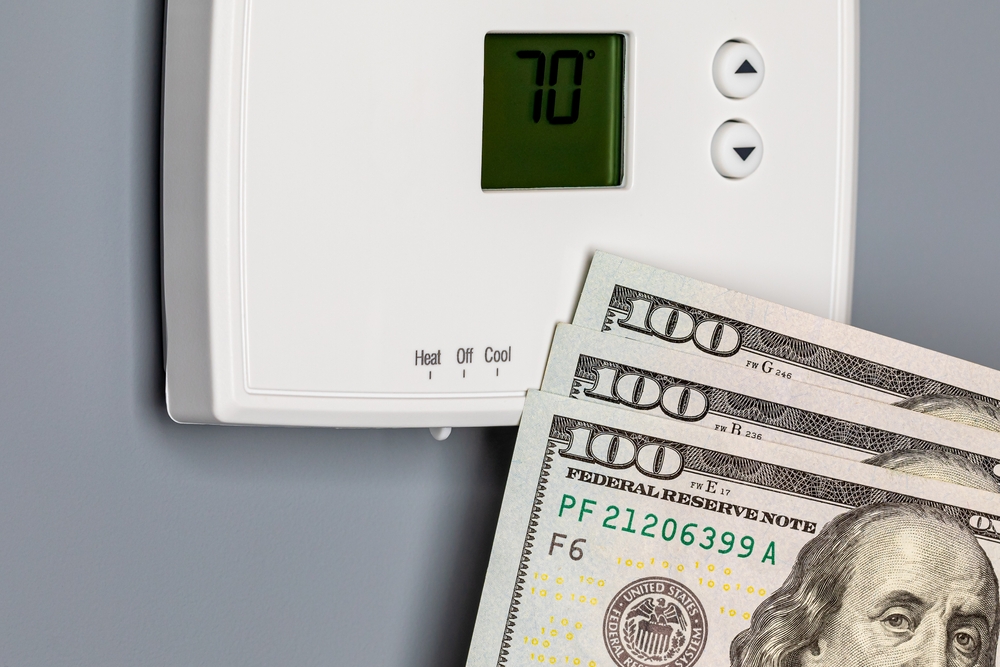
When your furnace starts making strange noises or your air conditioning struggles to keep up with St. Louis summers, replacing your HVAC system becomes unavoidable. However, the sticker shock of a new system can be overwhelming. The good news is that energy-efficient HVAC systems offer substantial long-term savings, especially when you take advantage of high-efficiency furnace rebates available in Missouri. These rebates can significantly reduce your upfront costs, allowing your new system to pay for itself through energy savings over time.
Understanding the true cost of HVAC replacement goes beyond the initial purchase price. Many homeowners fail to realize that investing in an energy-efficient HVAC system is actually a financial decision that benefits them for years to come. With proper HVAC financing options and rebate programs, upgrading to a high-efficiency system becomes more affordable than you might think. This blog explores how high-efficiency furnace rebates work and why they represent one of the smartest investments you can make for your St. Louis home.
The True Cost of Delaying Your HVAC Upgrade
Many homeowners in Missouri postpone HVAC replacement because they focus only on the upfront cost. What they don’t realize is that older, inefficient systems consume significantly more energy than modern alternatives. An outdated furnace or air conditioning unit can waste up to 30 percent of the energy it uses, which translates directly into higher utility bills every single month.
Consider a typical household in St. Louis that operates an HVAC system from the 1990s or early 2000s. Their monthly heating and cooling costs are substantially higher than a neighbor with a modern, energy-efficient system. Over ten years, these differences add up to thousands of dollars in wasted energy expenses. By continuing to operate an old system, homeowners are essentially throwing money away each heating season and cooling season.
The environmental impact compounds this concern. Older HVAC units consume more fuel or electricity, increasing your carbon footprint. Modern energy-efficient HVAC systems reduce environmental waste while simultaneously cutting your utility expenses. When you factor in the availability of high-efficiency furnace rebates in Missouri, the financial case for upgrading becomes compelling.
How High-Efficiency Furnace Rebates Reduce Your Upfront Investment
Energy-efficient HVAC systems qualify for various rebate programs that directly reduce your out-of-pocket expenses. These high-efficiency furnace rebates come from multiple sources, including utility companies, manufacturers, and government programs. For St. Louis residents, several rebate opportunities can apply to purchases of brands like Ruud and Rheem systems, which are known for their efficiency ratings and reliability.
Utility companies often offer substantial rebates when you upgrade to HVAC equipment that meets specific efficiency standards. These programs exist because utilities benefit when customers use less energy. By encouraging the adoption of energy-efficient HVAC systems, utility companies reduce peak demand on the grid during hot summers and cold winters. A high-efficiency furnace rebate from your local utility company might cover 20 to 50 percent of your equipment costs, depending on the specific program and your location in Missouri.
Manufacturer rebates provide additional savings opportunities. Companies like Ruud and Rheem offer their own incentive programs to encourage customers to choose their energy-efficient HVAC products. These rebates can stack with utility company incentives, multiplying your total savings. Federal tax credits may also apply in certain situations, providing extra financial relief when you file your taxes.
The combination of these rebate sources means that your actual out-of-pocket cost for a new energy-efficient HVAC system may be substantially less than the listed price. Some homeowners find that after applying all available high-efficiency furnace rebates, they can upgrade to a premium system like those from Ruud and Rheem at a price comparable to a basic replacement unit.
HVAC Financing Options That Make Energy-Efficient Systems Affordable
Even with rebates reducing your costs, many homeowners need HVAC financing to make the purchase manageable. Fortunately, numerous financing options exist specifically designed for home comfort upgrades. These HVAC financing programs allow you to spread payments over several years, making monthly costs more manageable than paying the full amount upfront.
Many reputable HVAC contractors in St. Louis partner with financing companies that offer low-interest or zero-interest promotional periods. These agreements make it possible to install a high-efficiency furnace or cooling system without depleting your savings. Some programs require no down payment, meaning you can start enjoying energy savings immediately while paying for the system gradually.
The math becomes clear when you combine HVAC financing with energy savings. Suppose an energy-efficient HVAC system costs 4,000 dollars more than a basic unit, but your monthly heating and cooling bills decrease by 50 dollars. In this scenario, you recover the additional investment through energy savings within 80 months, which is less than seven years. Since quality HVAC systems typically last 15 to 20 years, you’re essentially getting a decade of completely free heating and cooling after the payback period ends.
HVAC financing with attractive terms transforms the economics of upgrading. Instead of waiting years to save money for a replacement, you can upgrade now and let the energy savings pay down your financing balance. This approach also ensures you’re not struggling with an inefficient system during that waiting period.
Comparing Ruud and Rheem Systems: Maximizing Your Rebate Benefits
When shopping for energy-efficient HVAC systems in Missouri, Ruud and Rheem systems consistently rank among the most recommended options. Both manufacturers produce high-efficiency equipment that qualifies for substantial rebates. Understanding the differences between these brands helps you make an informed decision that aligns with your budget and needs.
Rheem systems are renowned for their reliability and innovative features that enhance efficiency. Their top-tier models include variable-speed compressors and advanced controls that optimize performance based on current weather conditions. This technology means your air conditioning and heating operate at peak efficiency throughout the year. Rheem high-efficiency furnace rebates in Missouri are often generous because these systems exceed minimum efficiency standards by significant margins.
Ruud systems offer similar high-efficiency technology with a reputation for exceptional durability. Ruud equipment often comes with extended warranties, reflecting manufacturer confidence in product longevity. For St. Louis homeowners, Ruud and Rheem systems represent excellent investments because they combine efficiency, reliability, and strong rebate availability.
When you compare quotes from contractors, make sure they specify which Ruud and Rheem systems they’re recommending and what rebates apply to each model. Higher-efficiency models typically qualify for larger rebates, sometimes offsetting the premium price. This incentive structure encourages homeowners to choose the most efficient options available.
Calculating Your Long-Term Savings with Energy-Efficient HVAC
Understanding your potential energy savings requires looking at your current system’s efficiency rating and comparing it to modern alternatives. Efficiency is measured using SEER ratings for air conditioning and AFUE percentages for furnaces. Older systems might have SEER ratings below 10 or AFUE ratings around 78 percent, while modern energy-efficient HVAC systems often achieve SEER ratings of 18 or higher and AFUE ratings exceeding 95 percent.
Your current utility bills provide the baseline for calculating potential savings. If your total heating and cooling costs reach 1,500 dollars annually and your existing system operates at 70 percent efficiency, upgrading to an energy-efficient HVAC system operating at 95 percent efficiency could reduce those costs by 400 to 500 dollars per year. Over a 15-year system lifespan, this represents 6,000 to 7,500 dollars in direct energy savings.
Add in high-efficiency furnace rebates that might cover 1,000 to 2,000 dollars of your initial cost, and the financial picture becomes even more attractive. Include any HVAC financing incentives, and your true cost of ownership becomes minimal. Some homeowners essentially achieve positive cash flow immediately, meaning their monthly energy savings exceed their financing payments.
Conclusion
High-efficiency HVAC systems paired with available rebates represent one of the best investments St. Louis homeowners can make. By combining manufacturer incentives, utility rebates, and flexible HVAC financing options, you can upgrade to premium systems from providers like Ruud and Rheem without excessive upfront burden. The monthly energy savings begin paying down your costs immediately, making energy-efficient HVAC not just an environmental choice but a smart financial decision. Start exploring your options with local contractors today and discover how much you can save.
Need HVAC Services in St. Louis, MO?
Keep cool or stay warm with Ashley Brothers Heating & Cooling. Since 1999, Ashley Brothers have been providing residential and commercial services to the St. Louis and Jefferson County area. We specialize in the installation of new equipment, heating and cooling repair, and furnace cleaning. Craftsmanship is important, equipment choice is too. We work with only top brands like Amana, Goodman, York, and McLain. It is understandable that replacing or upgrading your equipment can be daunting. Ask us about financing. We repair all heating and cooling equipment brands. Heating and cooling repairs can happen at random, take advantage of our 24-hour emergency service. Call us today about your concerns.