
Why Your Furnace Smells When You First Turn It On
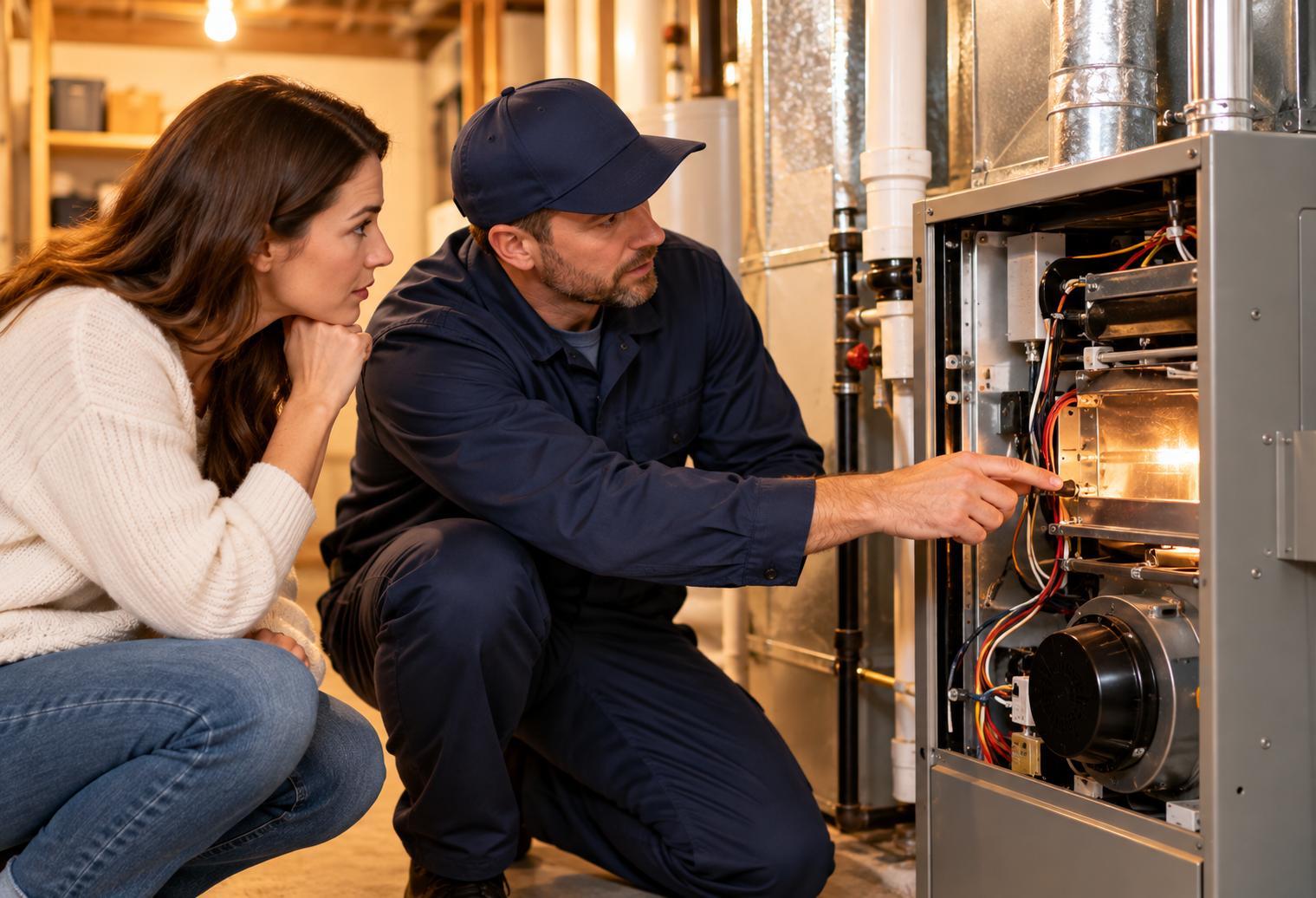
The first cool stretch of fall in Crestwood often means furnaces that have been sitting idle for months suddenly go back to work. When that first heating cycle brings an unexpected smell through the vents, it can be difficult to know whether you are smelling normal seasonal dust or a warning sign that needs attention.
Quick answer: A furnace often smells slightly dusty or burnt when you first turn it on because dust can collect on the heat exchanger, burners, and other components during the warmer months. That odor should normally fade as the system runs. Persistent burning, electrical, gas-like, or unusual chemical odors deserve more attention and may require professional furnace service.
What local readers should know
-
A mild dusty smell during the first few heating cycles can occur after a furnace has been unused for several months.
-
Fall temperature changes in Crestwood and the greater St. Louis area can cause heating systems to go from months of inactivity to regular operation quickly.
-
A dirty furnace filter can contribute to airflow problems and odors once the heating season begins.
-
Electrical, melting-plastic, smoky, or gas-like odors should not be treated as routine seasonal furnace smells.
-
Annual heating maintenance before colder weather arrives can identify problems before the furnace is needed every day.
Why Furnace Smells Matter in Crestwood
Furnace smells matter in Crestwood because local heating systems often sit largely unused through warm St. Louis summers before being called back into regular service during fall temperature drops. That long inactive period gives household dust and debris time to settle inside and around parts of the HVAC system.
Homes throughout St. Louis County vary considerably in age and HVAC configuration. Properties near Watson Road, Grant’s Farm, Affton, Sunset Hills, and Webster Groves may have different furnace ages, duct layouts, filtration setups, and maintenance histories.
Ashley Brothers Heating & Cooling helps area homeowners determine whether an odor is part of a normal seasonal startup or a sign that the heating system needs attention. After that initial assessment, we can focus on the source of the smell instead of simply trying to cover it up.
What We Commonly See When Heating Season Begins
One of the most common seasonal furnace observations is a temporary dusty odor after the system has been inactive through warmer weather. This is a practical field observation rather than a claim that every furnace odor has the same cause.
During a Missouri summer, homeowners may run air conditioning regularly while the furnace’s heating components remain unused. When cooler weather reaches the Meramec River area and communities across south St. Louis County, accumulated dust can heat up during the first furnace cycles.
The important distinction is duration and type of odor. A brief dusty smell is different from an odor that becomes stronger, continues every time the furnace operates, or smells like overheated wiring, melting material, smoke, or fuel.
How Furnace Odors Can Affect Your Home
Furnace odors can affect indoor comfort and may sometimes point to airflow, maintenance, electrical, or combustion-related problems. A smell that keeps returning can make the home uncomfortable, but the larger concern is determining why the odor is present.
For local homeowners, timing also matters. Discovering a furnace problem during a mild October day gives you more flexibility than discovering it during a cold St. Louis night when the heating system is under heavier demand.
Some odor problems may be resolved through basic maintenance. Others can indicate a component that needs professional diagnosis. Treating every smell as harmless can allow a developing problem to continue.
Warning Signs That a Furnace Smell Needs Attention
A furnace smell needs closer attention when it is persistent, unusually strong, or accompanied by changes in furnace operation. Watch for these specific warning signs:
-
The burning smell continues well beyond the initial seasonal startup.
-
You notice an electrical or melting-plastic odor near the furnace or supply vents.
-
A smoky smell appears while the heating system is operating.
-
The furnace shuts off unexpectedly or struggles to complete a heating cycle.
-
Airflow from the vents seems noticeably weaker than usual.
-
Unusual noises begin at the same time as the odor.
-
The smell becomes stronger each time the furnace runs.
-
You detect a gas-like odor rather than a simple dusty smell.
When Should You Call a Furnace Professional?
You should call a furnace professional when an odor persists, smells electrical or smoky, or occurs with abnormal furnace performance. A homeowner can safely check straightforward items such as whether the air filter appears dirty, but internal electrical, burner, gas, and combustion components should be left to trained service professionals.
If you suspect a gas leak or have an immediate safety concern, leave the affected area and follow your gas utility’s emergency guidance rather than continuing to operate or troubleshoot the furnace.
For less urgent problems in Crestwood, scheduling service early in the heating season can help identify the source before colder weather puts additional demand on the equipment.
What Causes a Furnace to Smell When You Turn It On?
The most common furnace smells come from seasonal dust, dirty filtration, airflow restrictions, overheated components, or other mechanical and electrical issues. The exact cause depends heavily on what the odor smells like and how long it lasts.
1. Seasonal dust buildup: Dust can settle on heating components while they are not being used. The first heating cycles can produce the familiar dusty or slightly burnt smell.
2. A dirty air filter: A heavily loaded filter can restrict airflow and allow more dust to circulate or accumulate within the system.
3. Dust or debris near vents: Supply and return areas can collect pet hair, household dust, and debris during the year.
4. Overheating electrical components: An electrical or hot-plastic smell is different from normal seasonal dust and deserves prompt attention.
5. Mechanical problems: A furnace that is overheating or operating improperly can create unusual odors along with noises, shutdowns, or poor heating performance.
South St. Louis County’s distinct cooling and heating seasons make seasonal startup maintenance especially useful because HVAC equipment changes operating modes as outdoor conditions shift.
How to Prevent Furnace Odors
You can reduce many seasonal furnace odors by replacing filters as needed, keeping vents clear, and scheduling heating maintenance before regular winter operation begins. In Crestwood, early fall is a practical time to prepare because it allows the furnace to be checked before sustained cold weather arrives.
Homeowners can safely inspect the filter, remove obvious household items blocking supply or return vents, and keep the area around the furnace clear. Avoid opening furnace compartments or attempting electrical, burner, or gas repairs without appropriate training.
Running the furnace before the first genuinely cold night can also help you notice unusual sounds, smells, or performance changes while there is still time to arrange service.
What to Expect After Furnace Maintenance or Repair
After appropriate maintenance or repair, homeowners should expect the furnace to operate without persistent abnormal odors associated with the corrected problem. The exact result depends on the source of the smell, the condition of the equipment, and whether additional issues are discovered during inspection.
If ordinary seasonal dust caused the odor, it may simply dissipate after initial operation. If the problem involves filtration, airflow, electrical components, or another furnace issue, the appropriate correction will depend on what an inspection finds.
Common Furnace-Smell Mistakes
The biggest furnace-smell mistake is assuming every burning odor is simply dust without paying attention to how long it lasts or what else the system is doing.
Mistake: Ignoring an odor that returns every heating cycle.
Consequence: An underlying problem may continue unchecked.
Better approach: Track when the smell occurs and arrange an inspection if it persists.
Mistake: Trying to mask the smell with fragrances.
Consequence: The odor may become harder to identify without correcting its source.
Better approach: Find out why the furnace is producing the smell.
Mistake: Waiting until a very cold day to test the furnace.
Consequence: A problem may first become apparent when heating is most important.
Better approach: Test your system during mild fall weather in the St. Louis region.
A Common Local Furnace Scenario
A common local scenario involves a homeowner turning on the furnace during the first chilly fall evening and noticing a dusty smell from several vents. If the odor fades as the furnace runs normally, accumulated seasonal dust may have been the cause.
The situation changes if the odor remains for repeated cycles or is accompanied by weak airflow, unusual noises, shutdowns, smoke, or an electrical smell. Those additional symptoms make professional diagnosis the safer choice.
This is a general scenario, not a specific Ashley Brothers Heating & Cooling customer case.
Furnace Services That Can Help
Professional furnace inspection, maintenance, and repair can help determine whether an unusual odor comes from routine buildup or a system problem. We can evaluate furnace operation and help identify issues that are not appropriate for homeowner troubleshooting.
For residents preparing for heating season, preventive furnace maintenance can also provide an opportunity to address concerns before colder weather settles across the region.
DIY Furnace Checks vs. Professional Service
DIY furnace checks are appropriate for simple tasks such as inspecting the filter and keeping vents unobstructed, while internal furnace problems require professional diagnosis. Homeowners should avoid experimenting with electrical components, burners, gas connections, or safety controls.
A useful rule is to consider both the smell and the furnace’s behavior. A brief dusty startup odor with otherwise normal operation is very different from a persistent electrical smell paired with repeated shutdowns.
Furnace Service Areas Near Crestwood
Furnace service in Crestwood also supports homeowners throughout the surrounding south St. Louis County area. Local communities include Sunset Hills, Affton, Kirkwood, and Webster Groves, where seasonal heating needs are influenced by the same broader St. Louis weather patterns.
What Can Happen If You Ignore an Unusual Furnace Smell?
Ignoring a persistent furnace smell can allow an airflow, electrical, mechanical, or heating-system problem to continue until it becomes more disruptive. Waiting can also leave you dealing with a furnace problem during colder weather, when reliable heat becomes much more important.
Not every odor means an expensive repair. The goal is to distinguish a temporary seasonal smell from something that should be diagnosed rather than guessing.
Frequently Asked Questions About Furnace Smells
Is it normal for my furnace to smell when I first turn it on in Crestwood?
Yes, a temporary dusty or slightly burnt smell can occur when a furnace starts after sitting unused through warmer months. Dust may have accumulated on heating components. The odor should fade rather than persist through repeated operation. Strong electrical, smoky, melting, or gas-like odors require a different response.
How long should the first furnace smell last?
A normal seasonal dust odor should be temporary and improve as the furnace operates. There is no single exact time that applies to every system. If the smell remains through repeated heating cycles, becomes stronger, or is accompanied by operational problems, have the furnace inspected.
Why does my Crestwood furnace smell like burning dust?
A burning-dust smell can occur because dust settles on furnace components during the warmer St. Louis months and heats up when the system is restarted. If the odor fades and the furnace operates normally, it may be seasonal. A persistent or unusually sharp burning odor deserves professional attention.
Should St. Louis County homeowners replace the furnace filter before winter?
Checking the furnace filter before the heating season is a sensible maintenance step for St. Louis County homeowners. Replace it when appropriate for the filter type, system requirements, and its condition. A clean, correctly installed filter helps support proper airflow, but it cannot correct every source of furnace odor.
What does an electrical furnace smell mean?
An electrical, hot-wire, or melting-plastic smell can indicate a problem that should not be dismissed as normal seasonal dust. Turn your attention to the furnace’s operation and avoid attempting internal electrical repairs yourself. Professional inspection can determine whether an electrical or mechanical component is overheating or malfunctioning.
When should I test my furnace in Crestwood?
Testing your furnace during mild fall weather in Crestwood gives you a chance to identify unusual odors, sounds, or heating problems before colder conditions arrive. Check basic items such as the filter and vents, then let the system complete a normal heating cycle while paying attention to its operation.
Can a dirty furnace filter cause a smell?
A dirty filter can contribute to poor airflow and dust-related HVAC problems, so it is worth checking when unusual furnace odors appear. However, replacing a filter should not be treated as the solution to every smell. Persistent burning, electrical, smoky, or gas-like odors require further investigation.
Should I call for furnace service if the smell keeps coming back?
Yes, a furnace odor that repeatedly returns is a good reason to have the system evaluated, particularly if it is becoming stronger or appears with noises, poor airflow, shutdowns, or inconsistent heating. Finding the source early can reduce the chance of discovering the problem during colder St. Louis weather.
Start Heating Season With Confidence in Crestwood
A brief dusty smell can be part of restarting a furnace after months of inactivity, but persistent or unusual odors deserve attention. Knowing the difference helps local homeowners respond appropriately and prepare their heating systems for colder Missouri weather.
Get Your Furnace Ready for Colder St. Louis Weather
We can help identify unusual furnace odors and address heating-system concerns before they interfere with your home’s comfort.