
How Often Should You Replace Your HVAC Air Filter in St. Louis Homes?
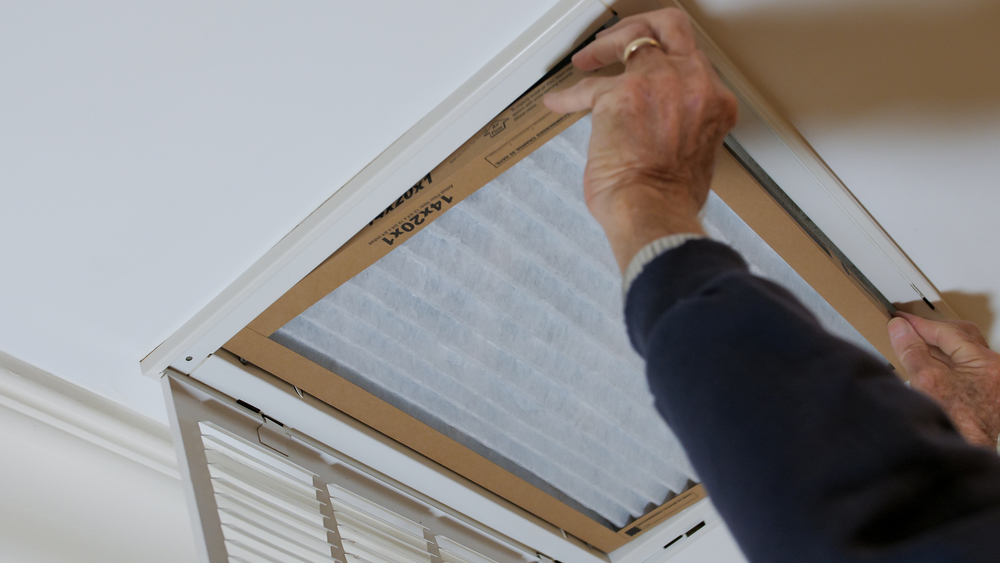
Keeping your HVAC system running efficiently is one of the most important things you can do for your comfort and your wallet. One of the simplest yet most overlooked maintenance tasks is HVAC air filter replacement. Many homeowners either forget about it entirely or follow a generic schedule that does not account for the specific conditions of living in St. Louis.
Understanding how often to change your air filter can save you money, improve your indoor air quality, and extend the life of your heating and cooling system.
Why Air Filter Replacement Matters More Than You Think
Your HVAC air filter does a lot more than just trap dust. It protects the internal components of your system from debris, improves the air quality inside your home, and helps your equipment run efficiently. When a filter becomes clogged, your system has to work harder to push air through it. That extra strain drives up your energy bills and puts unnecessary wear on your blower motor and other components.
In St. Louis, this issue is especially relevant. The city sits in the Midwest and experiences a full range of seasons, from humid summers that push air conditioning systems to their limits, to cold winters that demand consistent heating. Running your HVAC system hard through both extremes means your filter collects contaminants faster than it might in a milder climate. Ignoring a dirty filter in this kind of environment is not just an inconvenience; it is a recipe for costly repairs down the line.
Beyond the mechanical side, a dirty filter also means dirtier air circulating through your home. Dust, pet dander, mold spores, and pollen all build up in a neglected filter and eventually get pushed back into your living spaces. For anyone in your household who suffers from allergies or asthma, this can make a noticeable difference in how they feel day to day.
How St. Louis Climate Affects How Often You Change Your Air Filter
St. Louis is known for its unpredictable and often intense weather. Summers are hot and humid, with temperatures frequently climbing into the upper 90s. Winters can bring significant cold snaps, ice storms, and snowfall. Spring and fall come with heavy pollen seasons that affect residents throughout the metro area.
All of these factors directly influence how often you should be thinking about HVAC air filter replacement. During peak cooling season in the summer, your air conditioner may run almost continuously on the hottest days. That constant airflow pulls more particles through the filter at a faster rate. The same is true in winter when your furnace is working overtime to keep your home warm.
St. Louis also sits near the confluence of two major rivers, the Mississippi and the Missouri, which contributes to higher humidity levels throughout the year. Elevated humidity creates conditions where mold and mildew can thrive, and your HVAC filter is one of the first lines of defense against those spores spreading through your home. A filter that might last two to three months in a drier climate could become saturated and ineffective much sooner in a humid St. Louis environment.
On top of that, pollen counts in St. Louis rank among the higher ones in the country during spring and fall. Tree pollen in the spring and ragweed in the fall can be brutal for allergy sufferers, and your HVAC filter bears the brunt of capturing those particles before they circulate indoors.
General Guidelines for How Often to Change Your Air Filter
So how often should you actually change your air filter? The answer depends on several variables, but here are some practical benchmarks to follow based on your household situation.
For most St. Louis homes with standard 1-inch fiberglass filters, replacement every 30 days is a reasonable starting point during periods of heavy HVAC use. These basic filters are inexpensive but they clog quickly and provide only minimal filtration. If you are using a higher-quality pleated filter with a MERV rating between 8 and 11, you may be able to stretch replacement to every 60 to 90 days under normal conditions.
However, several factors will shorten that timeline. If you have one or more pets in your home, pet hair and dander accumulate in your filter surprisingly fast. Pet owners in St. Louis should plan to check and likely replace their filters every 30 to 45 days, regardless of filter type. If anyone in your household has allergies or respiratory conditions, more frequent changes in the 30 to 60 day range will help keep indoor air quality at a healthier level.
The size of your home also plays a role. Larger homes circulate more air volume through the system, which means more particles pass through the filter over any given period of time. Smaller homes or vacation properties that sit vacant for long stretches can go a bit longer between changes simply because the system is not running as often.
A good habit is to check your filter visually once a month. Hold it up to a light source. If you cannot see light passing through it easily, it is time to replace it. Do not wait until your system starts running poorly or your energy bills spike before taking action.
Signs Your St. Louis Home Is Overdue for an HVAC Air Filter Replacement
Even if you have a schedule in place, it helps to know the warning signs that your filter needs attention sooner than expected. One of the most common signs is reduced airflow from your vents. If rooms that used to heat or cool quickly are now taking longer to reach your desired temperature, a clogged filter could be the culprit.
Another telltale sign is an increase in dust accumulation on surfaces throughout your home. If you find yourself dusting more often than usual, your filter may no longer be catching particles effectively. In some cases, a dirty filter can cause your HVAC system to freeze up in cooling mode or short-cycle in heating mode, both of which put stress on the equipment and can lead to breakdowns.
You may also notice a musty or stale smell coming from your vents. This can indicate that moisture and biological growth have taken hold in a saturated filter, which is a particular concern given St. Louis’s humidity levels. If you detect any unusual odors, check the filter immediately and replace it if there is any visible discoloration or buildup.
Finally, watch your monthly energy bills. A sudden or gradual increase in your utility costs without a corresponding change in usage habits is often a sign that your HVAC system is working harder than it should. Replacing a clogged filter is one of the fastest and cheapest ways to restore efficiency.
Conclusion
Knowing how often to change your air filter is one of the easiest ways to protect your HVAC investment and keep your St. Louis home comfortable year-round. Given the city’s humid summers, cold winters, and high pollen seasons, a proactive approach to HVAC air filter replacement will serve you far better than a set-it-and-forget-it mindset. Check your filter monthly, replace it on a schedule that matches your household’s specific needs, and your system will reward you with reliable performance for years to come.
Need HVAC Services in St. Louis, MO?
Keep cool or stay warm with Ashley Brothers Heating & Cooling. Since 1999, Ashley Brothers have been providing residential and commercial services to the St. Louis and Jefferson County area. We specialize in the installation of new equipment, heating and cooling repair, and furnace cleaning. Craftsmanship is important, equipment choice is too. We work with only top brands like Amana, Goodman, York, and McLain. It is understandable that replacing or upgrading your equipment can be daunting. Ask us about financing. We repair all heating and cooling equipment brands. Heating and cooling repairs can happen at random, take advantage of our 24-hour emergency service. Call us today about your concerns.