
Breathe Easy in St. Louis: How Whole-Home Air Purifiers Protect Against Fall Allergies & Germs
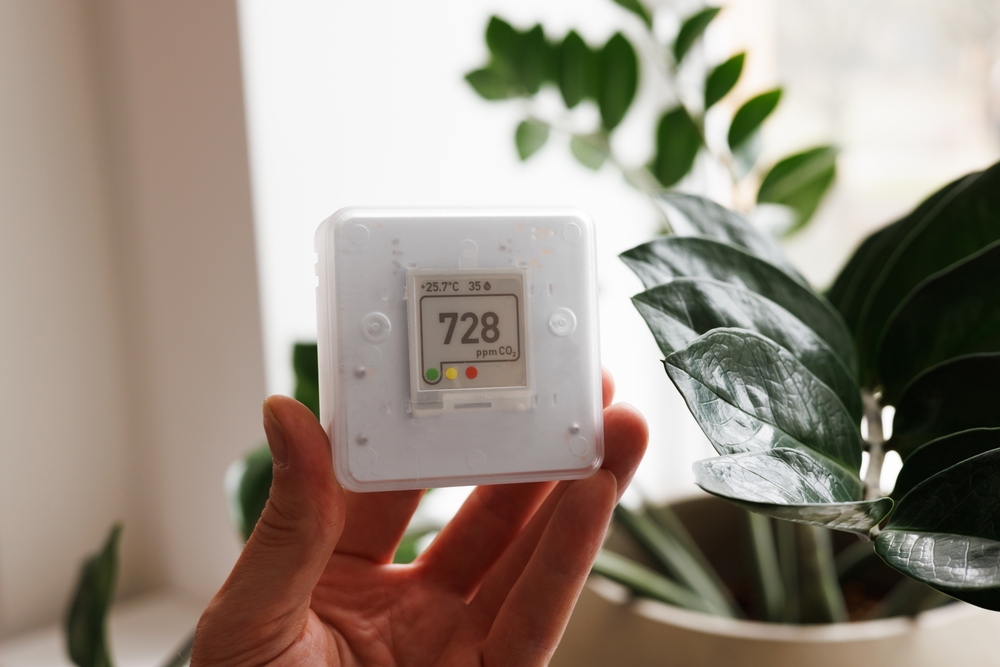
As summer fades into fall, many families notice that sneezing, congestion, and lingering coughs become part of daily life. In the St. Louis area, ragweed season, mold spores, and more time spent indoors can all affect the air inside your home just as much as the air outside.
Quick Answer
Whole-home air purifiers help improve indoor air quality by reducing airborne allergens, dust, pollen, mold spores, bacteria, and some viruses as air circulates through your HVAC system. During fall in St. Louis, they can be especially beneficial because seasonal allergens remain active while families begin spending more time indoors with windows closed.
What Local Readers Should Know
-
Ragweed pollen is a common fall allergen throughout the St. Louis region and can easily make its way indoors.
-
Mold spores often increase after rainy periods and can affect homes throughout St. Louis County, St. Charles County, and surrounding communities.
-
A whole-home air purifier treats the air moving through your HVAC system instead of cleaning just one room.
-
Better indoor air quality may help reduce dust buildup and improve overall comfort during heating season.
-
Regular HVAC maintenance and timely filter replacement help whole-home air purification systems perform at their best.
Why This Matters Locally
Fall weather in St. Louis can change quickly. Warm afternoons, cool evenings, fluctuating humidity, and seasonal rainfall create conditions that allow allergens such as ragweed pollen and mold spores to thrive. Neighborhoods from Kirkwood and Webster Groves to Chesterfield, Ballwin, and Maryland Heights all experience these seasonal changes.
Many homes throughout the region also have forced-air heating systems that circulate air throughout the entire house. Without effective air filtration, airborne particles can continue circulating each time the furnace runs.
Ashley Brothers Heating & Cooling helps local homeowners improve indoor comfort by evaluating HVAC systems and recommending solutions that fit their home’s needs. From this point forward, we’ll simply say we because our goal is helping our neighbors breathe cleaner air throughout every season.
Local Field Observations
Professional experience throughout the St. Louis metro area shows that indoor air quality concerns often increase as fall arrives. Once windows stay closed more frequently, homes naturally trap more airborne particles inside. We commonly hear from homeowners who notice:
-
Increased dust accumulation
-
More allergy symptoms indoors than outdoors
-
Persistent musty odors
-
Dry indoor air combined with airborne irritants
-
Family members experiencing seasonal discomfort
Every home is different, but these concerns often become more noticeable once heating systems begin operating regularly.
How Whole-Home Air Purifiers Help Local Homes
Whole-home air purifiers work by treating air as it passes through your HVAC system. Instead of relying on multiple portable units throughout the house, one integrated system helps improve air quality throughout the entire home.
Depending on the type of purification technology installed, these systems may help reduce:
-
Pollen
-
Dust mites
-
Pet dander
-
Mold spores
-
Smoke particles
-
Certain bacteria
-
Some airborne viruses
Because treated air continually circulates through your HVAC system, the purifier works whenever your heating or cooling equipment is moving air.
Local Impact
Poor indoor air quality affects more than seasonal allergies.
For homeowners across St. Louis, indoor pollutants can contribute to:
-
Increased dust on furniture
-
More frequent HVAC filter replacement
-
Lingering odors
-
Reduced comfort during heating season
-
Additional strain on people with allergies or respiratory sensitivities
Cleaner indoor air also helps create a more comfortable environment for children, older adults, and anyone who spends significant time at home.
Warning Signs Your Home May Benefit From a Whole-Home Air Purifier
Several signs may indicate your indoor air could use additional filtration.
-
Allergy symptoms improve when you’re away from home.
-
Dust returns quickly after cleaning.
-
You notice lingering musty odors.
-
Pet dander seems difficult to control.
-
Family members frequently experience sneezing or congestion indoors.
-
You recently completed a remodeling project that created additional airborne dust.
-
Your HVAC system seems to spread odors throughout the house.
When to Call a Professional
Some indoor air quality improvements are simple DIY tasks. Replacing HVAC filters on schedule, keeping return vents clear, and maintaining reasonable indoor humidity all help.
If allergy symptoms persist, dust remains excessive despite regular cleaning, or you’re unsure which indoor air quality solution fits your home, a professional evaluation can identify the most effective approach. We can also verify that your HVAC system is compatible with a whole-home air purifier and recommend the appropriate equipment.
Common Local Causes of Poor Indoor Air Quality
Several factors commonly affect homes throughout the St. Louis area.
1. Fall Ragweed Season
Ragweed pollen remains one of the region’s most common seasonal allergens.
2. Mold Growth
Humidity, rainfall, and damp areas such as basements can contribute to mold spores entering indoor air.
3. Closed Windows
As temperatures cool, homes rely more heavily on heating systems while outdoor ventilation decreases.
4. Household Dust
Older homes throughout neighborhoods in South County, University City, and surrounding communities often experience ongoing dust from daily living and aging building materials.
5. Pet Dander
Even well-groomed pets continuously shed microscopic skin particles that circulate through HVAC systems.
Prevention and Maintenance
Maintaining healthier indoor air starts with several practical habits.
-
Replace HVAC filters as recommended.
-
Schedule seasonal heating system maintenance before colder weather.
-
Keep humidity within recommended indoor levels.
-
Vacuum using a HEPA-equipped vacuum when possible.
-
Clean return air vents regularly.
-
Address water leaks promptly to reduce mold growth.
-
Consider upgrading to a whole-home air purifier if seasonal allergies remain a recurring concern.
Expected Results
A properly selected whole-home air purifier can improve overall indoor air quality, reduce airborne particles, and help create a cleaner living environment.
Results vary based on factors such as the home’s size, existing HVAC equipment, filtration technology, occupancy, pets, and overall maintenance. While no air purifier eliminates every airborne contaminant, many homeowners notice cleaner air, less dust, and improved comfort.
Common Mistakes
Mistake: Waiting until allergy symptoms become severe.
Consequence: Indoor allergens continue circulating throughout the home.
Better Approach: Consider improving indoor air quality before peak fall allergy season.
Mistake: Only replacing filters when they appear dirty.
Consequence: Reduced airflow and decreased filtration efficiency.
Better Approach: Follow the manufacturer’s replacement schedule.
Mistake: Assuming one portable air purifier treats the entire house.
Consequence: Many rooms receive little or no air purification.
Better Approach: Evaluate whether a whole-home solution better fits your home’s layout.
Common Local Scenario
A homeowner in the St. Louis area notices that every fall, family members begin sneezing more frequently even when staying indoors. Dust seems to return shortly after cleaning, and the furnace begins circulating stale air throughout the house. After evaluating the HVAC system, adding a whole-home air purifier alongside routine maintenance helps improve overall indoor air quality and comfort throughout the heating season.
Related Service Solutions
Whole-home air purification works best alongside other HVAC services, including:
-
Heating system maintenance
-
HVAC filter replacement
-
Indoor air quality evaluations
-
Humidity control solutions
-
HVAC system inspections
Comparing Your Options
| Option | Best For | Limitations |
|---|---|---|
| Portable Air Purifier | Single rooms | Limited coverage |
| Whole-Home Air Purifier | Entire home | Professional installation recommended |
| Standard HVAC Filter Only | Basic filtration | Limited removal of smaller airborne particles |
| Combined Air Purifier and Routine HVAC Maintenance | Long-term indoor air quality | Requires ongoing maintenance |
Service Areas
We proudly help homeowners throughout St. Louis, St. Louis County, St. Charles County, Ballwin, Chesterfield, Kirkwood, Webster Groves, Maryland Heights, and many surrounding communities. Our goal is helping local families enjoy cleaner, healthier indoor air year-round.
Cost of Ignoring the Issue
Delaying indoor air quality improvements can allow allergens, dust, and other airborne particles to continue circulating through your HVAC system. Over time, this may contribute to reduced comfort, more frequent filter replacements, and ongoing seasonal allergy concerns.
Frequently Asked Questions
Do whole-home air purifiers help with fall allergies in St. Louis?
Yes. Whole-home air purifiers help reduce airborne pollen, dust, and other allergens that commonly circulate indoors during fall in St. Louis. They work alongside your HVAC system to continuously improve indoor air quality throughout the home.
Can a whole-home air purifier reduce germs?
Many whole-home air purification systems are designed to reduce certain airborne bacteria and viruses as air circulates through the HVAC system. Performance depends on the specific technology installed and proper system maintenance.
Is a portable air purifier enough for my home?
Portable units work well for individual rooms, but they do not treat the entire home’s air. A whole-home air purifier provides broader coverage by working through your existing HVAC system.
How often should HVAC filters be replaced in the St. Louis area?
The right replacement schedule depends on filter type, pets, household size, and seasonal conditions. Many homeowners benefit from checking filters monthly, especially during heavy heating and cooling seasons.
Will a whole-home air purifier remove pet dander?
Yes. Many whole-home systems help reduce airborne pet dander as air circulates through the HVAC system, making them a popular option for pet owners.
Is fall a good time to install an air purifier in St. Louis?
Yes. Installing an air purifier before heating season begins helps improve indoor air quality as families spend more time indoors and seasonal allergens remain active.
Breathe Easier All Season Long
Cleaner indoor air starts with the right combination of HVAC maintenance and indoor air quality solutions. Whether you’re looking to reduce allergens, improve comfort, or create a healthier home environment, we’re here to help you find the right solution for your family’s needs.
Ready for Cleaner Indoor Air?
Protect your home’s comfort this fall with professional indoor air quality solutions from our team.