
Beat the Cold Snap: Why Early Fall Furnace Maintenance Saves Money & Prevents Winter Breakdowns
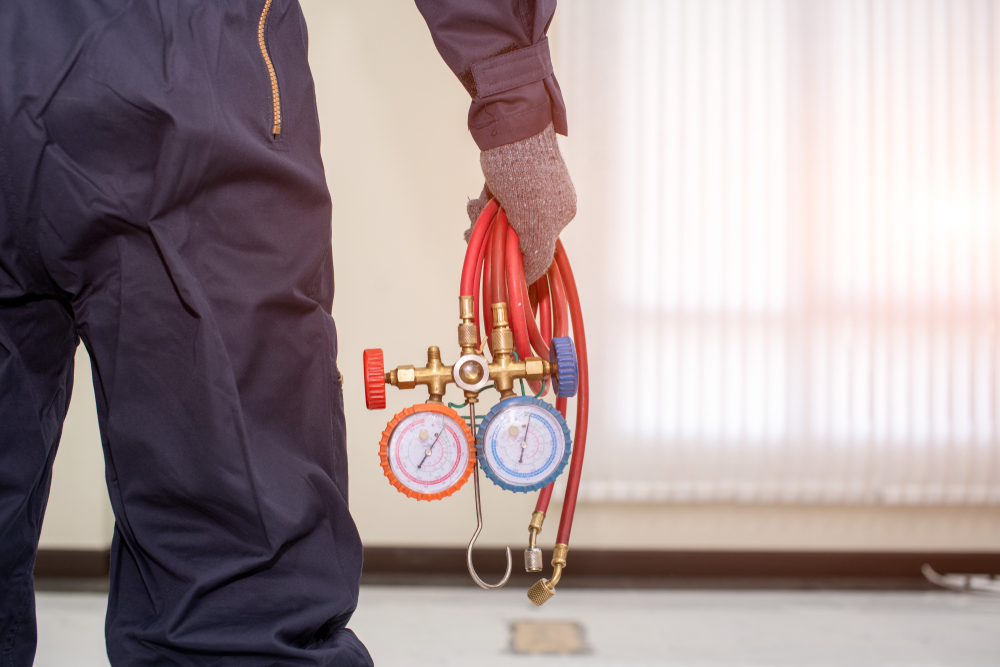
Early fall in St. Louis can still feel like summer one week and bring jacket weather the next. That temperature swing makes September and October an ideal time to find out whether your furnace is ready before a cold front turns a small heating problem into an uncomfortable winter breakdown.
Quick answer: Scheduling furnace maintenance in early fall gives homeowners time to catch worn parts, airflow problems, dirty components, and other developing issues before the heating system begins running heavily. It can also help the furnace operate more efficiently, reduce unnecessary strain, and lower the chance of discovering a problem during the first serious cold spell.
What local homeowners should know
-
Early fall maintenance gives you time to address furnace problems before overnight temperatures routinely approach freezing.
-
St. Louis weather can change quickly during fall, so waiting for the first cold night can leave little margin for unexpected repairs.
-
Homes in neighborhoods such as Tower Grove, University City, and South City can vary significantly in age, ductwork, insulation, and heating-system configuration.
-
A furnace that starts and produces heat can still have maintenance issues affecting airflow, efficiency, reliability, or safe operation.
-
Replacing the air filter and checking thermostat settings are useful homeowner tasks, but internal furnace inspection and service should be left to a qualified HVAC professional.
Why Does Early Fall Furnace Maintenance Matter in St. Louis?
Early fall furnace maintenance matters in St. Louis because the region often transitions from warm weather to freezing temperatures within a relatively short window, giving homeowners limited time to react when heating problems appear.
National Weather Service climatology for St. Louis shows an average first freeze around November 2, while the historical first freeze has occurred as early as late September. The agency also notes that fall weather becomes increasingly variable as cold fronts become more frequent.
That makes September and October useful months for preparing a heating system rather than simply assuming it will work when needed.
Ashley Brothers Heating & Cooling serves homeowners in the St. Louis area, and once cooling season starts winding down, we recommend thinking about the furnace before the first sustained cold weather arrives.
What Does Local Weather Tell Us About Furnace Timing?
Local weather data suggests homeowners should prepare their furnaces well before November because freezing weather can arrive earlier than the calendar might suggest.
According to the National Weather Service St. Louis office, the 1991-2020 average first freeze at St. Louis is November 2. Historical records also show considerable variation from year to year, which is exactly why waiting for a particular date is less useful than preparing during early fall.
For homeowners in places such as Kirkwood, Webster Groves, Clayton, and Chesterfield, the practical takeaway is simple: use the mild-weather window to test and maintain the heating system before cold weather makes furnace reliability more urgent.
How Can Furnace Maintenance Help Reduce Heating Costs?
Furnace maintenance can help control heating costs by addressing conditions that make the system work harder than necessary, such as restricted airflow, dirty components, or operating problems that reduce performance.
A heavily clogged filter, for example, can restrict airflow through the system. Other maintenance issues may cause longer run times or unnecessary strain.
Maintenance does not guarantee a specific reduction in your utility bill because energy use also depends on thermostat settings, outdoor temperatures, insulation, duct conditions, home size, equipment efficiency, and household habits.
The goal is to help the existing system operate as intended rather than forcing it to overcome preventable maintenance problems throughout a St. Louis winter.
What Warning Signs Should You Check Before Heating Season?
Warning signs before heating season include unusual sounds, inconsistent temperatures, weak airflow, repeated cycling, unusual odors, and difficulty getting the furnace to start normally.
Watch for:
-
Rooms that remain noticeably colder than the rest of the house.
-
Weak or inconsistent airflow from supply vents.
-
New rattling, banging, squealing, or grinding noises.
-
A furnace that turns on and off unusually often.
-
A thermostat setting that does not match indoor comfort.
-
Persistent unusual odors after the initial seasonal startup period.
-
A system that struggles to start or unexpectedly shuts down.
-
A filter that becomes unusually dirty or clogged.
Older St. Louis homes can have additions, remodeled spaces, aging ductwork, or uneven insulation that complicate comfort problems. A professional evaluation can help separate a furnace problem from an airflow or building-envelope issue.
When Should You Call a Furnace Professional?
You should call a furnace professional when the system has operating problems, unusual combustion-related symptoms, repeated shutdowns, abnormal noises, persistent odors, or internal components that require inspection or adjustment.
Homeowners can safely check the thermostat, make sure vents are not blocked, inspect or replace an appropriate air filter, and clear clutter away from the furnace.
Internal service is different. Furnaces involve electrical components, moving parts, heat-producing equipment, and, in many homes, fuel combustion. If the system is not operating normally, professional diagnosis is safer than experimenting with internal repairs.
What Common Furnace Problems Show Up in St. Louis Homes?
Common furnace problems in St. Louis homes include restricted airflow, neglected filters, thermostat issues, worn components, and problems that only become noticeable once heating demand increases.
1. Restricted airflow: A dirty filter or blocked airflow path can make it harder for the system to circulate heated air.
2. Wear from previous seasons: Components that were already showing wear may fail after the furnace returns to regular operation.
3. Thermostat problems: Incorrect settings, poor communication with the system, or other control issues can affect comfort and cycling.
4. Long periods without operation: A furnace may sit largely unused during a humid St. Louis summer, so a successful startup should not be assumed.
5. Uneven home conditions: Properties in areas such as Central West End, University City, and older portions of St. Louis County may have layouts or duct systems that contribute to uneven heating.
Maintenance gives a technician an opportunity to identify these conditions before the furnace is needed continuously.
How Should Homeowners Prepare a Furnace for Fall?
Homeowners should prepare a furnace for fall by testing it early, replacing or checking the filter, keeping vents clear, confirming thermostat operation, and scheduling professional maintenance before cold-weather demand increases.
Start by turning the thermostat to heating mode on a cool morning and confirming that the system responds normally. Listen for unusual sounds and pay attention to whether air reaches the rooms consistently.
Check the filter and replace it when appropriate for your equipment and filter type. Keep furniture, rugs, storage boxes, and other items from blocking registers or the area around heating equipment.
Then schedule professional maintenance while temperatures are still moderate. Early scheduling gives you more time to consider repair options if something needs attention rather than making a rushed decision during freezing weather.
What Should You Expect After Furnace Maintenance?
After furnace maintenance, you should have a clearer understanding of the system’s current condition, any developing concerns, and whether additional repair or monitoring is recommended before winter.
Maintenance cannot make an aging furnace new or guarantee that a mechanical component will never fail. What it can do is provide an opportunity to catch visible or measurable problems, address routine service needs, and establish whether the furnace is operating normally at the time of inspection.
For St. Louis homeowners, that information can be particularly valuable before the heavier heating period begins.
What Furnace Maintenance Mistakes Should Homeowners Avoid?
The biggest furnace maintenance mistakes are waiting for a breakdown, assuming heat output means everything is fine, ignoring airflow problems, and attempting repairs beyond basic homeowner maintenance.
Mistake: Waiting for the first freezing night.
Consequence: You may discover a problem at the same time you urgently need heat.
Better approach: Test and service the system during early fall.
Mistake: Ignoring a dirty filter.
Consequence: Restricted airflow can affect system performance.
Better approach: Check filters regularly and use the correct replacement type.
Mistake: Closing multiple vents to save energy.
Consequence: Changing system airflow can create comfort or performance problems.
Better approach: Have persistent hot or cold rooms professionally evaluated.
Mistake: Treating unusual noises as normal aging.
Consequence: A developing mechanical issue may worsen.
Better approach: Have new or worsening sounds inspected.
What Is a Common Fall Furnace Scenario in St. Louis?
A common St. Louis scenario is a furnace that worked normally the previous winter but develops a problem after sitting through spring and summer without being tested.
A homeowner may wait until a sudden October or November cold front, turn the heat on, and discover weak airflow, an unusual sound, or a system that does not start reliably.
This is not a specific customer case study. It illustrates why testing and maintenance before freezing weather can be useful. Finding the same issue several weeks earlier gives the homeowner more time to understand the problem and make a repair decision.
Which Heating Services Can Help Prevent Winter Problems?
Professional furnace maintenance, diagnostic service, heating repair, and, when appropriate, system replacement can address different levels of heating-system concern.
Routine maintenance is intended for a system that is generally operational and needs seasonal inspection and service. Repair is appropriate when a specific problem is affecting operation. Replacement may become a discussion when equipment has significant problems, repeated repairs, or other conditions that make continued repair less practical.
We can help homeowners determine which situation applies based on the actual condition of the system rather than assuming every furnace problem requires replacement.
Is Maintenance Better Than Waiting for Emergency Furnace Service?
Planned maintenance is usually the more proactive option because it lets homeowners look for developing problems before heat is urgently needed, while emergency service responds after a failure or serious operating problem has already occurred.
DIY checks are useful for filters, thermostat settings, blocked vents, and obvious household airflow issues. Professional maintenance goes further by evaluating furnace operation and internal components that homeowners should not attempt to service themselves.
If a system is already malfunctioning, maintenance alone may not be enough. Diagnostic or repair service may be the appropriate next step.
Where Do We Provide Heating Help Around St. Louis?
We provide heating services for homeowners in the St. Louis area, with service availability depending on the specific location.
Residents in St. Louis and nearby communities such as Clayton, Webster Groves, Kirkwood, University City, and Chesterfield can contact us to confirm whether their property is within our current service area.
What Can Happen If You Ignore Furnace Problems Until Winter?
Ignoring furnace problems until winter can turn a manageable fall repair into a loss of heat during colder weather, while ongoing airflow or operating problems may also place unnecessary strain on the system.
The concern is not that every unusual sound or older furnace will suddenly fail. The problem is uncertainty. Once freezing weather arrives, a heating problem immediately becomes more disruptive to household comfort and daily routines.
Taking care of known issues early gives homeowners more control over timing and repair decisions.
Frequently Asked Questions About Fall Furnace Maintenance
When should I schedule furnace maintenance in St. Louis?
Early fall is a practical time to schedule furnace maintenance in St. Louis because temperatures are typically moderate and freezing weather has not yet become routine. National Weather Service data places the average first freeze around November 2, so September and October provide a useful preparation window.
Should I turn my furnace on before the first cold night in St. Louis?
Yes. Testing the furnace before the first cold night lets you confirm that it starts, produces heat, and appears to operate normally. Run it early enough in the season that you have time to schedule service if you notice unusual sounds, weak airflow, odors, or inconsistent heating.
Does annual furnace maintenance guarantee that my furnace will not break down?
No. Furnace maintenance cannot guarantee that a component will never fail. It does provide an opportunity to identify visible wear, operating concerns, maintenance needs, and other issues before the system enters a period of heavier use, which can help reduce unpleasant surprises during winter.
Why is fall weather important for homeowners in St. Louis County?
Fall weather in St. Louis County can shift considerably as cold fronts become more frequent. The National Weather Service describes fall weather in the region as increasingly variable later in the season. Preparing the furnace while conditions are mild gives homeowners a buffer before consistent heating becomes necessary.
Can I perform furnace maintenance myself?
Homeowners can handle basic tasks such as checking the thermostat, keeping supply and return vents unobstructed, checking the filter, and keeping the furnace area clear. Internal inspection, electrical work, combustion-system service, and mechanical repairs should be handled by a qualified heating professional.
Why does my St. Louis home have some rooms that are colder than others?
Uneven temperatures can result from several issues, including airflow restrictions, duct conditions, insulation differences, home layout, or heating-system performance. Older and remodeled homes around St. Louis can have particularly varied configurations, so persistent hot and cold spots are worth evaluating rather than assuming the furnace itself is always responsible.
Is it worth maintaining an older furnace?
Yes, an older furnace can still benefit from maintenance when it remains operational, although maintenance cannot reverse normal equipment aging. An inspection can help identify current operating concerns and give you better information about whether continued maintenance, a repair, or a replacement discussion makes sense.
What should I do if my furnace makes a new noise after I turn it on?
A new or worsening furnace noise should be investigated if it persists. Rattling, squealing, grinding, banging, or other unfamiliar sounds can have different causes, and diagnosing the source usually requires inspecting the equipment. Shut the system down if you believe it is operating unsafely and request professional service.
Get Your St. Louis Furnace Ready Before the Next Cold Snap
Early fall gives St. Louis homeowners a valuable opportunity to deal with furnace maintenance on their own schedule instead of discovering problems when the temperature drops. A seasonal check can provide a clearer picture of your system’s condition and help you head into winter with fewer unanswered questions.
Prepare Your Home for Reliable Winter Comfort
We can inspect your heating system, identify maintenance concerns, and explain any recommended next steps based on what we find.