
Fall HVAC Checklist: How St. Louis Homeowners Can Prep Their Heating Systems for Winter
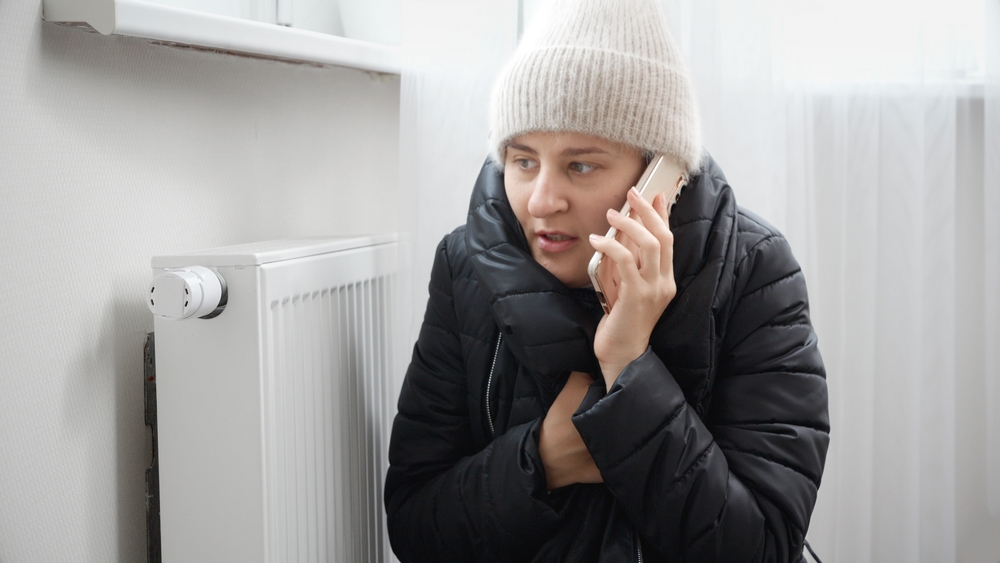
Fall in St. Louis can shift from warm afternoons to chilly nights surprisingly quickly. That makes early fall a practical time for homeowners to check their heating systems before colder weather puts furnaces and heat pumps under regular demand.
A fall HVAC checklist should cover the thermostat, air filter, vents and returns, outdoor equipment, unusual furnace sounds or odors, and a test run of the heating system. Homeowners should also consider professional heating maintenance before sustained cold arrives. Taking care of these steps early can uncover problems while there is still time to address them before winter.
What St. Louis Homeowners Should Know
-
Test your heating system during mild fall weather rather than waiting for the first freezing night.
-
Replace or inspect a dirty HVAC filter so airflow is not unnecessarily restricted.
-
St. Louis weather can change considerably during fall and winter, making dependable heating important even after stretches of mild weather.
-
Keep supply registers and return vents clear of furniture, rugs, curtains, and other obstructions.
-
Unusual noises, odors, weak airflow, or inconsistent heating are good reasons to have the system professionally inspected.
Why Does Fall HVAC Preparation Matter in St. Louis?
Fall HVAC preparation matters in St. Louis because the region experiences substantial temperature swings as it moves toward winter, and freezing conditions become increasingly likely later in the season. Preparing early gives homeowners an opportunity to identify heating problems before dependable indoor heat becomes essential.
National Weather Service climate normals show an average first freeze around November 2 in St. Louis, although freezes have occurred considerably earlier and later. The same regional climate data describes local winters as highly variable, with alternating periods of mild and much colder weather.
That variability can mean a heating system sits idle during warmer stretches and then suddenly needs to operate for extended periods when a cold front arrives. Homes in communities across St. Louis County, including Kirkwood, Webster Groves, Chesterfield, and Florissant, can benefit from getting heating equipment ready before those swings become more pronounced.
Ashley Brothers Heating & Cooling helps area homeowners address heating and cooling needs throughout the seasons. We recommend using fall as an opportunity to check how your system operates rather than discovering a problem after temperatures have already dropped.
What Does Local Weather Data Say About Heating Season?
Local weather data shows that St. Louis typically moves into freezing conditions during late fall, while winter brings frequent cold nights and significant temperature variability. National Weather Service climate normals provide a useful reason to have heating equipment ready well before the coldest part of the year.
For the 1991-2020 climate-normal period, the National Weather Service lists the average first 32°F freeze in St. Louis as November 2. Its regional climate summary also reports an average November low of 37.4°F and an average December low of 28.5°F.
Winter conditions are not consistently cold, either. The National Weather Service notes that warmer periods can interrupt much colder stretches. That means local heating systems may repeatedly cycle between lighter and heavier use as conditions change.
For homeowners from South City and University City to communities farther into St. Louis County, a successful test run in early fall provides useful reassurance before those colder stretches arrive.
What Are the Warning Signs Your Heating System Needs Attention?
Heating warning signs include unusual noises, persistent odors, weak airflow, uneven temperatures, frequent cycling, thermostat problems, and difficulty reaching the temperature you set. Finding these symptoms during a fall test run gives you more time to investigate them before winter.
Watch for:
-
Banging, rattling, squealing, grinding, or other new noises
-
Persistent burning or unusual odors after the initial startup period
-
Rooms that remain noticeably colder than others
-
Weak airflow coming from supply registers
-
A furnace that repeatedly starts and stops
-
A thermostat that does not appear to match indoor conditions
-
Heating equipment that runs but struggles to warm the home
-
A system that does not start reliably
Some dust-related odor can occur when a heating system first runs after sitting unused. An odor that persists, smells electrical, or seems unusual should not simply be ignored.
When Should You Call an HVAC Professional?
You should call an HVAC professional when your heating system does not start correctly, produces persistent unusual odors or noises, delivers inadequate heat, repeatedly shuts down, or shows another problem that requires opening or repairing HVAC equipment.
Homeowners can safely handle basic tasks such as checking the thermostat, changing an accessible filter according to equipment requirements, clearing vents, and observing how the system performs.
Repairs involving burners, gas connections, electrical components, internal controls, motors, or other mechanical equipment should be left to a qualified HVAC professional.
Scheduling service during fall can also be more convenient than discovering the same problem during a cold spell when the system is urgently needed.
What Common Problems Can Show Up During a St. Louis Fall HVAC Check?
Common fall heating problems include restricted airflow, thermostat issues, neglected maintenance, blocked registers, and equipment problems that were not noticeable while the heating system sat unused during summer.
Dirty or Restricted Filters
A heavily loaded filter can restrict airflow. Check the filter and replace it when appropriate for your particular HVAC system and filter type.
Blocked Supply and Return Vents
Furniture arrangements sometimes change throughout the year. Make sure rugs, sofas, curtains, boxes, and other household items are not interfering with supply registers or return-air pathways.
Thermostat Problems
Check that your thermostat is switched to heating mode and responds when you raise the temperature setting. If it uses replaceable batteries, fall is also a convenient time to check them.
Problems After Months of Inactivity
A furnace may not have operated regularly since spring. A fall test gives you an opportunity to discover startup or performance problems while outdoor conditions are still relatively comfortable.
What Should Be on a Fall HVAC Maintenance Checklist?
A useful fall HVAC maintenance checklist should combine simple homeowner checks with professional service when the system shows problems or needs routine maintenance. The goal is to confirm that the heating system can start, move air properly, and maintain comfortable indoor temperatures.
Start with these steps:
-
Test the heat. Switch the thermostat to heating mode and confirm the system starts and produces warm air.
-
Check the filter. Inspect the HVAC filter and replace it when needed.
-
Inspect registers and returns. Remove objects that restrict airflow.
-
Listen to the system. Pay attention to noises that are new or noticeably different.
-
Notice odors. Watch for persistent or unusual smells during operation.
-
Check the thermostat. Confirm that it responds properly to temperature changes.
-
Look around accessible equipment. Keep stored items and clutter away from heating equipment.
-
Schedule service when needed. Have performance problems or suspected mechanical issues professionally evaluated.
For St. Louis homeowners, completing this checklist before late fall can provide more time to deal with a repair before freezing nights become routine.
What Results Can Homeowners Expect From Fall Heating Maintenance?
Fall heating maintenance can help homeowners identify developing problems, confirm basic system operation, and enter winter with a clearer understanding of their heating equipment’s condition. The exact results depend on the system’s age, condition, installation, maintenance history, and any existing mechanical problems.
Maintenance cannot guarantee that equipment will never fail. What it can do is create an opportunity to find visible or measurable issues before the system faces heavier winter demand.
For an older home in Webster Groves or a newer property in Chesterfield, that information can also help with planning. If a technician finds significant wear, the homeowner has an opportunity to discuss repair and replacement options without making a rushed decision during a heating outage.
What Fall HVAC Mistakes Should Homeowners Avoid?
The most common fall HVAC mistakes involve waiting too long to test the heat, ignoring warning signs, restricting airflow, or attempting repairs that should be handled professionally. A better approach is to perform simple checks early and respond promptly when something does not seem right.
Mistake: Waiting for the first very cold night to turn on the heat.
Consequence: A hidden problem becomes an urgent comfort issue.
Better approach: Test the system during mild fall weather.
Mistake: Ignoring a dirty filter.
Consequence: Restricted airflow can interfere with system performance.
Better approach: Inspect the filter regularly and follow the appropriate replacement schedule.
Mistake: Assuming a strange noise will disappear.
Consequence: A developing mechanical issue may continue or worsen.
Better approach: Have persistent or significant new noises evaluated.
Mistake: Attempting internal furnace repairs without proper training.
Consequence: Electrical, combustion, and mechanical systems can present safety risks.
Better approach: Keep DIY work to safe, accessible maintenance and leave technical repairs to professionals.
What Is a Common Fall Heating Scenario in St. Louis?
A common local scenario is a homeowner turning on the furnace during the first chilly stretch of fall and discovering that the system starts but does not heat the house evenly. One bedroom stays cold, airflow feels weak, or the equipment begins making a sound the homeowner does not remember hearing last winter.
The right first steps are simple. Check the thermostat settings, inspect the filter, and make sure registers and returns are unobstructed.
If the problem continues, professional diagnosis can determine whether the cause involves airflow, controls, mechanical components, or another part of the system.
Which Heating Services Can Help Prepare a Home for Winter?
Heating maintenance, system diagnostics, furnace repair, and replacement evaluation can help address issues discovered during fall preparation. The appropriate service depends on whether the equipment is operating normally, showing a specific problem, or reaching a point where repeated repairs make replacement worth considering.
At Ashley Brothers Heating & Cooling, we can help homeowners evaluate heating concerns and determine an appropriate next step based on the condition of their equipment.
Should You DIY Fall HVAC Prep or Schedule Professional Service?
DIY fall HVAC prep works well for basic observations and accessible maintenance, while professional service is appropriate for diagnosis, internal inspections, mechanical repairs, electrical work, and combustion-related concerns. The two approaches complement each other rather than replacing one another.
Homeowners can check filters, vents, thermostat operation, and general system performance. Those steps can reveal whether something needs additional attention.
A professional can investigate why the system is noisy, failing to heat properly, cycling abnormally, or experiencing another technical problem. That distinction helps homeowners stay involved in routine care without taking unnecessary risks.
Where Can Local Homeowners Prepare for Winter Heating Needs?
Homeowners throughout St. Louis and surrounding communities can use early fall to prepare their heating systems before colder conditions settle into the region. That includes residents in St. Louis County communities such as Kirkwood, Webster Groves, Chesterfield, Florissant, and University City.
Local weather varies from year to year, but preparing before the typical late-fall freeze period provides a practical head start.
What Can Happen If You Ignore Heating Problems Before Winter?
Ignoring a heating problem before winter can turn a manageable fall service need into a loss of heat during colder weather. Existing airflow, control, electrical, or mechanical problems may also continue affecting comfort and system operation.
St. Louis winters can include abrupt transitions between relatively mild conditions and much colder air. Waiting until a system stops working completely can therefore leave less flexibility for scheduling, diagnosis, and repair.
Addressing warning signs does not mean every unusual symptom requires major work. It means giving yourself enough time to determine what is actually happening.
Frequently Asked Questions About Fall HVAC Prep in St. Louis
When should I test my furnace in St. Louis?
Test your furnace during early to mid-fall, before you expect to rely on it every day. The National Weather Service lists the average first freeze around early November for St. Louis, so testing the system before then gives you time to address problems while conditions are generally milder.
When does St. Louis usually get its first freeze?
The National Weather Service lists November 2 as the average first 32°F freeze for St. Louis based on 1991-2020 climate normals. Actual timing varies significantly from year to year, which is one reason homeowners should not use a single calendar date as their signal to begin heating preparation.
Should I replace my HVAC filter before winter?
Inspecting your HVAC filter before winter is a sensible part of fall maintenance. Replace it if it is dirty or if the equipment or filter manufacturer’s recommended interval calls for replacement. Filter requirements vary, so homeowners should follow the specifications appropriate for their particular heating and cooling system.
Why does my furnace smell when I first turn it on?
A brief dusty smell can occur when heating equipment first operates after months of inactivity, but persistent, strong, electrical, or otherwise unusual odors deserve attention. If an odor does not clear or you are concerned about what you smell, shut the system down when appropriate and seek professional guidance.
Does St. Louis winter weather put extra demand on heating systems?
St. Louis winter weather can require heating equipment to respond to substantial temperature swings. The National Weather Service describes regional winters as variable, with periods of much colder weather alternating with milder conditions. A functioning heating system needs to respond reliably as those outdoor conditions change.
Can I perform my own furnace maintenance?
You can perform basic tasks such as checking an accessible filter, confirming thermostat settings, clearing registers, and observing system performance. Internal furnace repairs, electrical work, combustion components, and gas-related work should be handled by a professional with the appropriate expertise.
Why are some rooms in my St. Louis home colder than others?
Uneven heating can have several possible causes, including airflow restrictions, blocked registers, duct-related issues, thermostat location, insulation differences, or heating equipment problems. Because St. Louis has homes representing many ages and construction styles, the underlying cause should be evaluated based on the specific house and HVAC system.
Is fall a good time to schedule heating service?
Yes, fall is a practical time to schedule heating service because you can identify problems before the system faces sustained winter demand. Testing and servicing equipment before freezing weather also gives homeowners more flexibility to consider repair options rather than making decisions during an unexpected no-heat situation.
Get Your St. Louis Heating System Ready for Colder Weather
A few fall checks can tell you a great deal about whether your heating system is ready for the season ahead. We can help identify heating problems and discuss appropriate service options before colder St. Louis weather makes dependable heat a daily necessity.
Prepare Now for Reliable Winter Comfort
Give your heating system attention before the next cold stretch arrives.