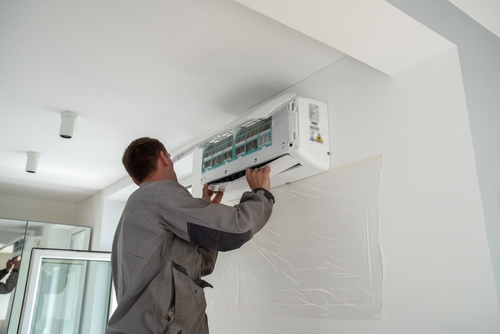
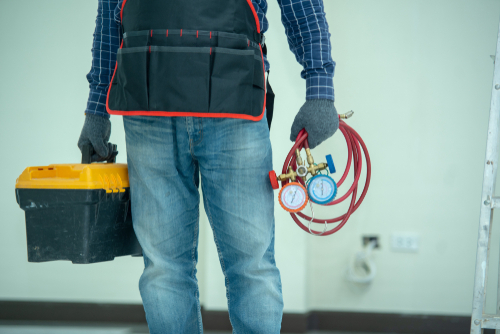
Your heating, ventilation, and air conditioning (HVAC) system is one of the most critical components in maintaining a comfortable environment in your home. A well-functioning system ensures optimal indoor air quality and energy efficiency. However, like any other mechanical system, it requires regular care to perform at its best. This guide will cover actionable HVAC system maintenance tips that can help prolong the life of your heating and cooling equipment.
By following these strategies, you can reduce the likelihood of unexpected breakdowns, avoid costly repairs, and extend your HVAC lifespan.
Why Extending Your HVAC System’s Lifespan Matters
Extending the life of your heating and cooling system isn’t just about comfort—it’s also about saving money. HVAC systems are significant investments, and replacing one prematurely can put a dent in your finances. By ensuring your system is maintained and running smoothly, you can avoid sudden expenses and help it operate efficiently for years.
Another reason to focus on extending your HVAC lifespan is energy efficiency. A poorly maintained system consumes more energy, leading to higher utility bills. By keeping your system in top shape, you can enjoy reduced energy consumption and a smaller carbon footprint.
Benefits of Extending HVAC Lifespan:
Cost savings: Fewer repairs and longer intervals between replacements.
Energy efficiency: Reduced energy consumption and lower utility bills.
Environmental impact: More efficient systems use less energy, which is better for the environment.
Consistent comfort: A well-maintained system ensures optimal heating and cooling throughout the year.
Top HVAC System Maintenance Tips
1. Schedule Regular Professional Inspections
Routine inspections by an HVAC technician are essential for identifying and resolving minor issues before they become major problems. A technician will clean, inspect, and test the components of your system, ensuring everything runs smoothly. These inspections should be done at least twice a year—once in the spring for your cooling system and once in the fall for your heating system.
During these checkups, technicians can also verify that your system is calibrated correctly, and they will inspect safety features like carbon monoxide detectors.
What to Expect in an HVAC Inspection:
Cleaning or replacing air filters
Checking refrigerant levels
Inspecting ductwork for leaks
Cleaning coils
Testing thermostat calibration
Inspecting electrical connections
2. Change Your Air Filters Regularly
One of the simplest yet most effective HVAC system maintenance tips is to regularly change your air filters. Dirty or clogged filters force your HVAC system to work harder to push air through, which not only reduces efficiency but also causes unnecessary wear and tear. A clogged filter can also decrease indoor air quality, as contaminants are more likely to circulate throughout your home.
The frequency of filter changes depends on the type of filter you use and the environment of your home. Generally, filters should be changed every 30-90 days. Homes with pets, smokers, or people with allergies may need more frequent changes.
Quick Tips for Air Filter Maintenance:
Check filters monthly.
Replace filters every 1-3 months depending on usage and filter type.
Use high-efficiency filters to capture more dust and allergens.
3. Keep Vents and Registers Clean and Clear
Blocked or dirty vents and registers can hinder airflow, forcing your HVAC system to work harder and reducing its lifespan. Ensure that all vents and registers are free of dust and debris and are not obstructed by furniture or curtains. Regularly vacuuming around vents and wiping them down can significantly improve airflow and system efficiency.
Pro Tip:
Avoid closing too many vents in unused rooms. Doing so can create pressure imbalances and reduce system efficiency.
4. Maintain Your Thermostat Properly
Your thermostat controls how often and how hard your HVAC system needs to work. Ensure that it’s functioning properly by checking the settings and accuracy regularly. If you’re using an older, manual thermostat, consider upgrading to a programmable or smart thermostat.
Programmable thermostats allow you to set specific temperatures for different times of the day, optimizing energy usage. For example, you can program the system to use less energy while you’re asleep or at work. Smart thermostats go even further by learning your habits and making automatic adjustments.
5. Inspect and Seal Ductwork
Leaks in your ductwork can significantly reduce the efficiency of your HVAC system, as cooled or heated air escapes before it reaches your living spaces. If you notice rooms in your home are not getting proper airflow, you may have leaks in your ducts. Regularly inspect ductwork for any visible gaps or holes, and seal these with duct mastic or aluminum tape.
Having an HVAC technician inspect and clean the ductwork annually is also a good idea. Dust and debris buildup in ducts can restrict airflow, leading to an overworked system and increased energy costs.
6. Clean the Outdoor Unit
The outdoor condenser unit is exposed to the elements and can accumulate dirt, leaves, and other debris over time. This debris can block airflow and make your HVAC system work harder to cool your home, shortening its lifespan. To avoid this, regularly inspect the outdoor unit and remove any obstructions.
Gently clean the unit using a hose, but avoid using a pressure washer as it can damage the delicate fins inside the unit. Ensure that plants, shrubs, or structures are at least two feet away from the unit to promote adequate airflow.
Outdoor Unit Maintenance Tips:
Remove debris such as leaves and twigs.
Trim vegetation around the unit to maintain proper clearance.
Clean condenser coils annually.
7. Keep an Eye on Refrigerant Levels
Your air conditioning system relies on refrigerant to cool your home. If the refrigerant level is too low, your system won’t be able to cool efficiently, and it will have to work harder to maintain a comfortable temperature. Low refrigerant levels can also indicate a leak, which needs to be addressed immediately.
If you notice that your air conditioning system is not cooling effectively or is taking longer than usual to reach the desired temperature, have a professional check the refrigerant levels.
8. Insulate Your Home Properly
Proper insulation plays a significant role in reducing the workload on your HVAC system. When your home is well-insulated, it retains heat during winter and keeps out the heat during summer, reducing the need for your HVAC system to run constantly.
Check the insulation in your attic, walls, and floors to ensure they meet recommended R-values for your region. Adding weatherstripping to windows and doors can also prevent drafts, which can lead to energy loss and increased HVAC usage.
9. Consider Zoning Systems
Zoning systems allow you to heat or cool different areas of your home independently. If you have rooms that are rarely used, zoning can prevent your HVAC system from wasting energy on those spaces, extending its lifespan. By focusing on the areas that need heating or cooling, you reduce the overall workload on your system.
10. Replace Aging Systems When Necessary
Even with excellent maintenance, HVAC systems won’t last forever. While it’s great to extend your HVAC lifespan, systems that are over 15-20 years old may become more costly to repair and inefficient to operate. If your energy bills are rising despite regular maintenance, it may be time to consider replacing your HVAC system with a more energy-efficient model.
Newer systems are designed to be more efficient and environmentally friendly, which can lead to long-term savings on energy costs and fewer repairs.
Final Thoughts
By following these HVAC system maintenance tips, you can significantly prolong the life of your heating and cooling system. Regular inspections, proper cleaning, and making small adjustments can go a long way in ensuring your system operates efficiently for years to come. Prioritizing these maintenance steps will not only extend your HVAC lifespan but also improve comfort, reduce energy bills, and minimize your environmental footprint.
Need HVAC Services in St. Louis, MO?
Keep cool or stay warm with Ashley Brothers Heating & Cooling. Since 1999, Ashley Brothers have been providing residential and commercial services to the St. Louis and Jefferson County area. We specialize in the installation of new equipment, heating and cooling repair, and furnace cleaning. Craftsmanship is important, equipment choice is too. We work with only top brands like Amana, Goodman, York, and McLain. It is understandable that replacing or upgrading your equipment can be daunting. Ask us about financing. We repair all heating and cooling equipment brands. Heating and cooling repairs can happen at random, take advantage of our 24-hour emergency service. Call us today about your concerns.
Heating, ventilation, and air conditioning (HVAC) systems are essential for maintaining comfortable temperatures in homes and businesses year-round. However, they are also some of the biggest energy consumers, which often translates into higher energy bills. By investing in an energy-efficient HVAC system, you can reduce your energy consumption, lower your heating bills, and enjoy a more comfortable indoor environment. In this guide, we’ll cover everything you need to know about energy-efficient HVAC systems and how they can help you achieve substantial energy savings.
Understanding HVAC Systems and Their Impact on Energy Bills
An HVAC system is a complex system responsible for heating, cooling, and ventilating indoor spaces. Given that HVAC systems typically account for around 40-50% of a building’s total energy use, improving their efficiency can significantly reduce overall energy costs.
What is an Energy-Efficient HVAC System?
An energy-efficient HVAC system uses less electricity or fuel to operate, thanks to advanced technologies and better system designs. These systems are optimized to deliver the same heating and cooling capacity as older or less efficient systems, but with reduced energy consumption. Some of the key characteristics of energy-efficient HVAC systems include:
Higher SEER (Seasonal Energy Efficiency Ratio) and HSPF (Heating Seasonal Performance Factor) ratings
Variable-speed motors for reduced power consumption
Smart thermostats that help regulate temperature more effectively
Improved insulation and ductwork for minimized heat loss
Upgrading to a high-efficiency HVAC system may require an initial investment, but the resulting energy savings can pay off over time. Let’s look at the different ways an energy-efficient HVAC system can help reduce energy usage and lower heating bills.
Benefits of an Energy-Efficient HVAC System
1. Lower Energy Consumption
One of the primary benefits of energy-efficient HVAC systems is lower energy consumption. With advances in technology, modern HVAC units can provide the same amount of heating or cooling with far less energy. This reduction in energy usage translates directly into lower monthly energy bills.
2. Reduced Carbon Footprint
Energy-efficient HVAC systems not only save money but also reduce the environmental impact of heating and cooling your home or business. By consuming less energy, these systems help decrease greenhouse gas emissions, making them an environmentally-friendly choice.
3. Improved Indoor Air Quality
Energy-efficient HVAC systems often come with advanced air filtration options. These filters remove allergens, dust, and other pollutants from the air, providing cleaner indoor air. Improved indoor air quality can have significant health benefits, especially for individuals with allergies or respiratory issues.
4. Enhanced Comfort
Efficient HVAC systems often use variable-speed compressors and blowers, which provide more consistent temperatures and airflow. This reduces temperature fluctuations, allowing for a more comfortable indoor environment throughout the year.
5. Longer System Lifespan
Since energy-efficient HVAC systems use advanced components and better technologies, they tend to have a longer operational life. Additionally, these systems experience less wear and tear, thanks to smoother operation, which means fewer repairs and replacement costs over the years.
Key Tips for HVAC System Energy Savings
To make the most of your energy-efficient HVAC system, there are specific steps you can take to optimize its performance and maximize savings on your energy bills. Here are some effective ways to reduce heating bills and increase HVAC efficiency:
1. Choose the Right HVAC System Size
The size of your HVAC system plays a critical role in energy efficiency. An undersized unit will struggle to heat or cool your space, while an oversized unit will frequently cycle on and off, wasting energy. To avoid these issues, have an HVAC professional calculate the appropriate size based on your building’s square footage, insulation, and climate zone.
2. Upgrade to a Programmable or Smart Thermostat
Programmable and smart thermostats are essential tools for HVAC system energy savings. These devices allow you to set specific temperature schedules based on when you’re home or away. Smart thermostats can even learn your preferences and automatically adjust settings to maximize efficiency. By lowering temperatures during the night or when no one is home, you can reduce heating and cooling costs without sacrificing comfort.
3. Regularly Change HVAC Filters
Dirty filters can block airflow, forcing your HVAC system to work harder to maintain desired temperatures. Regularly changing or cleaning filters can improve airflow, increase efficiency, and reduce energy consumption. Aim to replace your HVAC filters every 1-3 months, depending on usage and air quality conditions.
4. Seal and Insulate Ductwork
Leaky or poorly insulated ductwork can result in significant energy losses, as conditioned air escapes before it reaches your rooms. Sealing ductwork with mastic or foil tape and adding insulation can help retain air, allowing your HVAC system to operate more efficiently and with less strain.
5. Install Energy-Efficient Windows
Windows can be a major source of heat loss during the winter and heat gain during the summer. Installing energy-efficient, double-pane windows with low-E coatings can help maintain indoor temperatures, reducing the workload on your HVAC system and leading to greater energy savings.
6. Keep Vents and Registers Clear
Ensure that all vents and registers are free from obstructions like furniture, rugs, or curtains. Blocked vents can restrict airflow, making it difficult for your HVAC system to distribute heated or cooled air efficiently. By keeping vents clear, you’ll ensure optimal performance and reduce the energy needed to maintain a comfortable temperature.
Best Practices for HVAC Maintenance
Routine maintenance is essential to keeping your HVAC system operating at peak efficiency. Here are some essential maintenance practices to consider:
1. Schedule Annual HVAC Tune-Ups
A professional HVAC tune-up can identify and address potential issues before they become costly repairs. Regular maintenance, including checking refrigerant levels, cleaning coils, and inspecting electrical components, can improve efficiency and extend your system’s life.
2. Clean the Outdoor Unit
Debris such as leaves, dirt, and twigs can clog the outdoor unit of your HVAC system, reducing airflow and making the system work harder. Clean the outdoor unit at least once per season to keep it running efficiently.
3. Inspect the Thermostat
Ensure that your thermostat is calibrated correctly and located in an area that accurately reflects the ambient temperature. Avoid placing the thermostat in direct sunlight or near heat sources, as this can cause inaccurate readings and unnecessary cycling of the HVAC system.
4. Check for Leaks
In addition to ductwork, inspect your doors, windows, and walls for leaks. Caulk or weatherstrip any gaps where air may escape, as sealing these leaks can greatly reduce your heating and cooling costs.
5. Optimize Ventilation
Proper ventilation helps regulate humidity levels, preventing mold and mildew growth. It also improves indoor air quality, making your space more comfortable and healthier. Installing an energy recovery ventilator (ERV) or a heat recovery ventilator (HRV) can improve ventilation efficiency, particularly in airtight homes.
How to Choose an Energy-Efficient HVAC System
When selecting an energy-efficient HVAC system, consider the following factors:
1. Look for ENERGY STAR® Certified Units
The ENERGY STAR® label indicates that an appliance meets high energy-efficiency standards set by the U.S. Environmental Protection Agency. ENERGY STAR® certified HVAC systems offer greater efficiency than standard models, leading to better energy savings over time.
2. Check SEER and HSPF Ratings
When comparing air conditioners, pay attention to the SEER (Seasonal Energy Efficiency Ratio) rating, which indicates cooling efficiency. For heating systems, look for the HSPF (Heating Seasonal Performance Factor) rating. The higher the SEER or HSPF rating, the more energy-efficient the system.
3. Consider Heat Pumps for Dual-Function Efficiency
Heat pumps are highly efficient HVAC systems that can provide both heating and cooling. They work by transferring heat rather than generating it, resulting in significant energy savings. Some heat pumps also offer dual-fuel options, allowing them to switch between electricity and gas as needed for optimal efficiency.
4. Choose a System with Variable Speed Motors
Variable-speed motors adjust airflow to meet specific temperature requirements, resulting in less energy usage and more consistent temperatures. These motors also reduce the noise level of the HVAC system, making for a quieter, more pleasant environment.
5. Evaluate Your Climate Needs
The ideal HVAC system may vary depending on your climate. In warmer areas, a high SEER-rated air conditioner may be beneficial, while colder regions may benefit from a heat pump with a high HSPF rating. Consider consulting with an HVAC professional to select the best option for your local climate.
Save Money and Energy with an Efficient HVAC System
Investing in an energy-efficient HVAC system is one of the most effective ways to reduce energy costs, improve comfort, and lessen your environmental impact. By choosing the right HVAC system, keeping up with regular maintenance, and following energy-saving practices, you can significantly reduce your energy bills over time. An energy-efficient HVAC system isn’t just a smart financial decision—it’s also an investment in a more sustainable and comfortable future.
Need HVAC Services in St. Louis, MO?
Keep cool or stay warm with Ashley Brothers Heating & Cooling. Since 1999, Ashley Brothers have been providing residential and commercial services to the St. Louis and Jefferson County area. We specialize in the installation of new equipment, heating and cooling repair, and furnace cleaning. Craftsmanship is important, equipment choice is too. We work with only top brands like Amana, Goodman, York, and McLain. It is understandable that replacing or upgrading your equipment can be daunting. Ask us about financing. We repair all heating and cooling equipment brands. Heating and cooling repairs can happen at random, take advantage of our 24-hour emergency service. Call us today about your concerns.
Selecting the ideal HVAC system can be overwhelming with the variety of brands, features, and capacities available. Whether for residential or commercial purposes, an efficient, well-suited HVAC system ensures comfort, energy efficiency, and cost-effectiveness. This guide will help you navigate the essentials of choosing the right HVAC system and provide tips on top brands and installation options.
Understanding HVAC Basics
Choosing the right HVAC system begins with understanding the core components of an HVAC setup, which typically includes heating, ventilation, and air conditioning.
Heating: Essential for winter, heating systems vary widely, from furnaces and heat pumps to boilers and radiant floor heating.
Ventilation: Proper ventilation improves indoor air quality by eliminating contaminants and controlling moisture levels.
Air Conditioning: Essential for summer months, AC systems vary from central air units to split systems.
For both residential and commercial HVAC installation, selecting a system that suits your environment, budget, and efficiency needs is crucial.
Key Considerations When Choosing an HVAC System
Assessing Your Property’s Size and Layout
The size and layout of your home or business play a vital role in choosing the right HVAC system. Systems that are too small will struggle to maintain comfort, while oversized systems may lead to higher utility costs and uneven temperatures.
Residential Properties: Smaller homes may only need a single-zone system, while larger houses could benefit from multi-zone or ductless mini-splits.
Commercial Spaces: Large offices, retail spaces, or warehouses may require more complex HVAC solutions, often involving larger units, multiple zones, or even a combination of HVAC types.
Efficiency Ratings and Energy Consumption
Energy efficiency directly impacts both environmental sustainability and your utility bills. Look for the following efficiency ratings:
Seasonal Energy Efficiency Ratio (SEER): For cooling efficiency, SEER ratings indicate how efficiently the unit will operate during peak summer conditions. Higher SEER ratings equal greater efficiency.
Annual Fuel Utilization Efficiency (AFUE): Relevant for heating systems, AFUE ratings reflect how efficiently the system converts fuel to energy. A higher percentage means less wasted fuel.
Heating Seasonal Performance Factor (HSPF): For heat pumps, this rating indicates how efficiently the system heats in winter.
Consider systems certified by ENERGY STAR, which meet strict efficiency guidelines set by the U.S. Environmental Protection Agency.
Determining Your HVAC Needs: Residential vs. Commercial Systems
For both homes and businesses, HVAC systems must meet unique requirements.
Residential HVAC Systems: A residential system should be compact, energy-efficient, and tailored to maintain consistent comfort. Most homeowners prefer systems with user-friendly thermostats, quiet operation, and zone control.
Commercial HVAC Systems: Commercial units must accommodate high occupancy, larger areas, and extended operating hours. They typically include robust air filtration and ventilation systems to maintain air quality and comfort.
Exploring Types of HVAC Systems
HVAC systems come in various configurations. Here’s a breakdown of some popular options for both residential and commercial HVAC installation:
Central Air Conditioning and Furnace Combination: Commonly used in residential setups, these systems provide both heating and cooling using a furnace and central AC unit. They are reliable and effective but require ductwork.
Heat Pumps: Suitable for moderate climates, heat pumps offer both heating and cooling. They are available in air-source and geothermal options, with the latter being more energy-efficient but costly upfront.
Ductless Mini-Split Systems: Ideal for homes without ducts or for adding zones, ductless mini-splits offer flexibility and high energy efficiency. They’re compact and have the advantage of individual room temperature control.
Packaged HVAC Units: Commonly used in commercial settings, these systems include all components in a single unit. They’re easy to install, especially on rooftops, and offer both heating and cooling options.
Evaluating Top HVAC Brands
With numerous brands on the market, selecting a reliable one is essential for long-term efficiency and customer service. Here’s a look at some top brands known for quality HVAC solutions:
Trane
Trane is renowned for its durable, high-performing systems. Known for innovation, Trane offers energy-efficient options with advanced features like variable-speed motors and smart thermostats, making them ideal for both residential and commercial HVAC installation.
Carrier
Carrier is known for its broad range of options, from budget-friendly to high-end models. Carrier systems feature innovative technology, including Greenspeed Intelligence, which adapts to heating and cooling demands to optimize comfort and energy use.
Lennox
Lennox offers some of the most energy-efficient systems available, with SEER ratings as high as 26. Their models are quieter and come with advanced climate control features, making them popular among eco-conscious consumers.
Rheem
Rheem offers reliable and affordable HVAC options for both residential and commercial needs. Known for solid performance and a good balance of cost and efficiency, Rheem systems are user-friendly and include extensive warranty options.
Professional Residential and Commercial HVAC Installation
Proper installation is crucial to your HVAC system’s effectiveness. A poorly installed unit can lead to inefficiency, frequent repairs, and even system failure. Here’s what to look for in a professional installation service:
Experience and Certification: Ensure the technician is certified and has experience with the specific brand and type of system you choose.
Proper Sizing: Installation experts can perform a load calculation to determine the ideal system size for your property.
System Testing: A thorough inspection and testing process ensures all components are working efficiently, and the system is set up for optimal performance.
Advanced HVAC Technology and Smart Features
The latest HVAC systems offer innovative features designed to improve energy efficiency, convenience, and overall user experience.
Smart Thermostats
A smart thermostat allows for temperature control from anywhere via a smartphone app. Brands like Nest and Ecobee have thermostats that learn your schedule, making temperature adjustments to enhance comfort and save energy.
Zoning Systems
A zoning system divides your home or business into multiple zones, each with its own thermostat. This setup is ideal for properties where different rooms have varying temperature needs, allowing for more precise control and reduced energy costs.
Air Purification Add-Ons
Indoor air quality is essential for health and comfort. Many HVAC systems now offer air purification add-ons like HEPA filters, UV lights, and ionizers to reduce allergens, bacteria, and airborne particles.
Maintenance Tips for Long-Lasting Performance
Regular maintenance is key to prolonging your HVAC system’s life and ensuring optimal performance. Here are a few essential tips:
Regular Filter Replacement: Changing your filters every 1-3 months improves air quality and keeps your system running efficiently.
Annual Professional Tune-Up: Scheduling yearly maintenance, including inspections, cleaning, and any necessary repairs, helps prevent costly issues and keeps your system in peak condition.
Keep Outdoor Units Clean: Regularly clear debris, leaves, and dirt around outdoor units to ensure proper airflow and efficient operation.
Cost Considerations and Budgeting for Your HVAC System
Cost is a major factor in choosing an HVAC system. While prices vary based on system type, size, and brand, here are some factors to consider:
Upfront Costs: Heat pumps and geothermal systems typically have higher initial costs but offer greater energy savings over time.
Long-Term Savings: Energy-efficient systems may cost more initially but lead to lower energy bills, making them more cost-effective in the long run.
Tax Credits and Incentives: Many regions offer tax incentives or rebates for energy-efficient HVAC systems, which can help offset the initial cost.
Making the Right Decision for Comfort and Efficiency
Choosing the right HVAC system for your home or business requires a careful assessment of your property’s needs, budget, and energy goals. Consulting with a professional HVAC contractor can provide valuable insights, ensuring you select a system that delivers reliable performance, comfort, and energy savings.
With top HVAC brands like Trane, Carrier, and Lennox offering advanced, energy-efficient options, and professional residential and commercial HVAC installation services available, you’re well-equipped to make an informed decision that will keep your space comfortable and cost-efficient for years to come.
Need HVAC Services in St. Louis, MO?
Keep cool or stay warm with Ashley Brothers Heating & Cooling. Since 1999, Ashley Brothers have been providing residential and commercial services to the St. Louis and Jefferson County area. We specialize in the installation of new equipment, heating and cooling repair, and furnace cleaning. Craftsmanship is important, equipment choice is too. We work with only top brands like Amana, Goodman, York, and McLain. It is understandable that replacing or upgrading your equipment can be daunting. Ask us about financing. We repair all heating and cooling equipment brands. Heating and cooling repairs can happen at random, take advantage of our 24-hour emergency service. Call us today about your concerns.
As the temperatures rise and the days get longer, it’s important to prepare your HVAC system for the upcoming summer season. A well-maintained and efficient HVAC system can help keep your home cool and comfortable during the hot summer months while also saving you energy and money. In this blog, we will discuss some tips and steps you can take to prepare your HVAC system for summer, ensuring that it runs smoothly and effectively when you need it the most.
1. Schedule a Professional Inspection and Maintenance
One of the first steps you should take to prepare your HVAC system for summer is to schedule a professional inspection and maintenance service. A qualified HVAC technician can inspect your system, clean the components, check for any issues or malfunctions, and perform necessary repairs or adjustments to ensure that your system is running efficiently and effectively. Regular maintenance can help extend the lifespan of your HVAC system, improve its performance, and prevent costly breakdowns or repairs during the peak cooling season.
2. Change or Clean Air Filters
Another important maintenance task you should perform before summer is to change or clean the air filters in your HVAC system. Dirty or clogged air filters can restrict airflow, reduce efficiency, and worsen indoor air quality by circulating dust, allergens, and pollutants throughout your home. By replacing or cleaning the air filters regularly, typically every 1-3 months depending on usage and type of filter, you can improve airflow, reduce energy consumption, and ensure that your system operates smoothly and effectively.
3. Check and Clean the Outdoor Unit
The outdoor unit of your HVAC system, also known as the condenser or compressor, should be checked and cleaned before summer to ensure optimal performance. Remove any debris, such as leaves, grass, dirt, or branches, that may have accumulated around the unit and obstructed airflow. Trim any vegetation or foliage that is blocking the unit and clean the coils with a gentle brush or hose to remove dirt and grime. A clean and unobstructed outdoor unit can help improve ventilation, reduce energy consumption, and prevent overheating or breakdowns during the summer months.
4. Test the Thermostat Settings
Before the summer heat arrives, it’s a good idea to test the thermostat settings in your HVAC system to ensure that it is functioning properly and set to your desired comfort levels. Check the temperature settings, modes, and programming features of your thermostat, and consider upgrading to a smart or programmable thermostat that can help you save energy and money by automatically adjusting the temperature based on your schedule and preferences. A properly calibrated thermostat can help maintain a comfortable indoor temperature and reduce energy consumption, which is especially important during the hot summer months.
5. Inspect and Seal Ductwork
Leaky or poorly insulated ductwork can waste energy, reduce airflow, and compromise the efficiency of your HVAC system. Before summer, inspect the ductwork in your home for any leaks, gaps, or damage, and seal them with duct tape, foil tape, or mastic sealant to prevent air loss and improve airflow. Consider insulating the ductwork in attics, crawl spaces, or unconditioned areas to reduce heat gain and loss, improve efficiency, and ensure consistent temperatures throughout your home. Properly sealed and insulated ductwork can help your HVAC system operate more efficiently and effectively, saving you energy and money in the long run.
6. Clean and Adjust Vents and Registers
Another important step to prepare your HVAC system for summer is to clean and adjust the vents and registers in your home. Remove any obstructions, such as furniture, drapes, or rugs, that may be blocking the vents and preventing proper airflow. Clean the vents and registers with a vacuum or brush to remove dust, dirt, and debris that can accumulate and compromise airflow. Consider adjusting the airflow to prioritize cooling in areas where you spend the most time, such as bedrooms or living rooms, to maximize comfort and efficiency. Properly cleaned and adjusted vents and registers can help ensure even distribution of cool air throughout your home and improve overall comfort and energy efficiency.
7. Consider Upgrading or Retrofitting Your HVAC System
If your HVAC system is older, outdated, or inefficient, it may be time to consider upgrading or retrofitting it before summer. Newer energy-efficient models, such as high-efficiency air conditioners, heat pumps, or ductless mini-split systems, can help reduce energy consumption, lower utility bills, and improve indoor comfort and air quality. Consider consulting with a qualified HVAC contractor to assess your current system, discuss your needs and preferences, and explore options for upgrading or retrofitting your HVAC system to better meet your requirements and budget. Upgrading or retrofitting your HVAC system before summer can help you stay cool and comfortable while also saving energy and money in the long run.
Summary
Preparing your HVAC system for summer is essential to ensure that it operates efficiently and effectively when you need it the most. By scheduling a professional inspection and maintenance, changing or cleaning air filters, checking and cleaning the outdoor unit, testing thermostat settings, inspecting and sealing ductwork, cleaning and adjusting vents and registers, and considering upgrading or retrofitting your system, you can help optimize its performance, save energy and money, and stay cool and comfortable during the hot summer months. Remember, a well-maintained and efficient HVAC system is key to a healthy, comfortable, and sustainable home environment.
Need HVAC Services in St. Louis, MO?
Keep cool or stay warm with Ashley Brothers Heating & Cooling. Since 1999, Ashley Brothers have been providing residential and commercial services to the St. Louis and Jefferson County area. We specialize in the installation of new equipment, heating and cooling repair, and furnace cleaning. Craftsmanship is important, equipment choice is too. We work with only top brands like Amana, Goodman, York, and McLain. It is understandable that replacing or upgrading your equipment can be daunting. Ask us about financing. We repair all heating and cooling equipment brands. Heating and cooling repairs can happen at random, take advantage of our 24-hour emergency service. Call us today about your concerns.
St. Louis, Missouri, is known for its hot and humid summers and cold winters, making a properly functioning HVAC system a necessity for homeowners in the area. Regular maintenance of your heating, ventilation, and air conditioning (HVAC) system is essential to ensure that it operates efficiently, effectively, and safely throughout the year. In this blog, we will explore how a regular HVAC maintenance plan can benefit St. Louis homeowners, from improving indoor air quality to increasing energy efficiency and extending the lifespan of your HVAC system.
Improved Indoor Air Quality
One of the primary benefits of a regular HVAC maintenance plan is the improvement of indoor air quality in your home. Over time, dust, dirt, pollen, and other allergens can accumulate in your HVAC system, leading to poor air quality and potential health issues for you and your family. Regular maintenance, including cleaning and replacing air filters, ductwork inspection, and coil cleaning, can help to remove these contaminants and improve the overall air quality in your home.
By maintaining a clean and properly functioning HVAC system, you can reduce the risk of respiratory problems, allergies, and other health issues caused by poor indoor air quality. A well-maintained system will also help to control humidity levels in your home, creating a more comfortable and healthy living environment for you and your loved ones.
Increased Energy Efficiency
Another significant benefit of a regular HVAC maintenance plan is increased energy efficiency, which can lead to lower utility bills and savings for St. Louis homeowners. When your HVAC system is well-maintained, it operates more efficiently, consuming less energy to heat and cool your home. Clean air filters, properly lubricated parts, and a well-tuned system all contribute to improved energy efficiency and reduced energy consumption.
A well-maintained HVAC system can save you money on your monthly energy bills and reduce your carbon footprint by lowering your home’s energy consumption. By investing in regular maintenance for your HVAC system, you can enjoy year-round comfort while also saving money and energy in the long run.
Extended Lifespan of Your HVAC System
Regular maintenance can help to extend the lifespan of your HVAC system, protecting your investment and reducing the need for costly repairs or premature replacement. By scheduling annual inspections, tune-ups, and routine maintenance for your heating and cooling equipment, you can identify and address minor issues before they escalate into major problems.
Preventive maintenance can help to prolong the life of your HVAC system by keeping all components clean, lubricated, and in good working condition. By addressing minor issues early on, you can prevent breakdowns, extend the lifespan of your equipment, and ensure that your HVAC system continues to operate efficiently for years to come.
Enhanced Comfort and Performance
A well-maintained HVAC system delivers consistent and reliable performance, providing you with optimal comfort and control over the temperature and humidity levels in your home. Regular maintenance helps to ensure that your heating and cooling equipment operates at peak performance, delivering reliable and efficient heating and cooling year-round.
By investing in a regular HVAC maintenance plan, you can enjoy a more comfortable and enjoyable living environment in your St. Louis home. Properly maintained equipment will heat and cool your home more effectively, creating a consistent and comfortable indoor climate for you and your family to enjoy.
Peace of Mind and Stress Reduction
Finally, a regular HVAC maintenance plan can provide St. Louis homeowners with peace of mind and stress reduction, knowing that their heating and cooling systems are being properly cared for and maintained. By entrusting the maintenance of your HVAC system to professional technicians, you can rest assured that your equipment is in good hands and that any issues will be addressed promptly and efficiently.
Regular maintenance can help to prevent unexpected breakdowns, costly repairs, and inconvenient HVAC emergencies, giving you peace of mind and reducing stress related to heating and cooling issues in your home. By investing in a regular HVAC maintenance plan, you can enjoy a worry-free and comfortable living environment all year long.
Summary
A regular HVAC maintenance plan offers numerous benefits for St. Louis homeowners, from improved indoor air quality and increased energy efficiency to extended lifespan of your HVAC system, enhanced comfort and performance, and peace of mind. By scheduling annual maintenance for your heating and cooling equipment, you can protect your investment, save money on energy bills, and ensure that your home remains comfortable and safe year-round. Don’t wait until your HVAC system breaks down – invest in a regular maintenance plan today and enjoy the many benefits of a well-maintained heating and cooling system in your St. Louis home.
Need HVAC Services in St. Louis, MO?
Keep cool or stay warm with Ashley Brothers Heating & Cooling. Since 1999, Ashley Brothers have been providing residential and commercial services to the St. Louis and Jefferson County area. We specialize in the installation of new equipment, heating and cooling repair, and furnace cleaning. Craftsmanship is important, equipment choice is too. We work with only top brands like Amana, Goodman, York, and McLain. It is understandable that replacing or upgrading your equipment can be daunting. Ask us about financing. We repair all heating and cooling equipment brands. Heating and cooling repairs can happen at random, take advantage of our 24-hour emergency service. Call us today about your concerns.