
Beat the St. Louis Swelter: How High Humidity Pushes Your AC to the Limit (And How to Fix It)
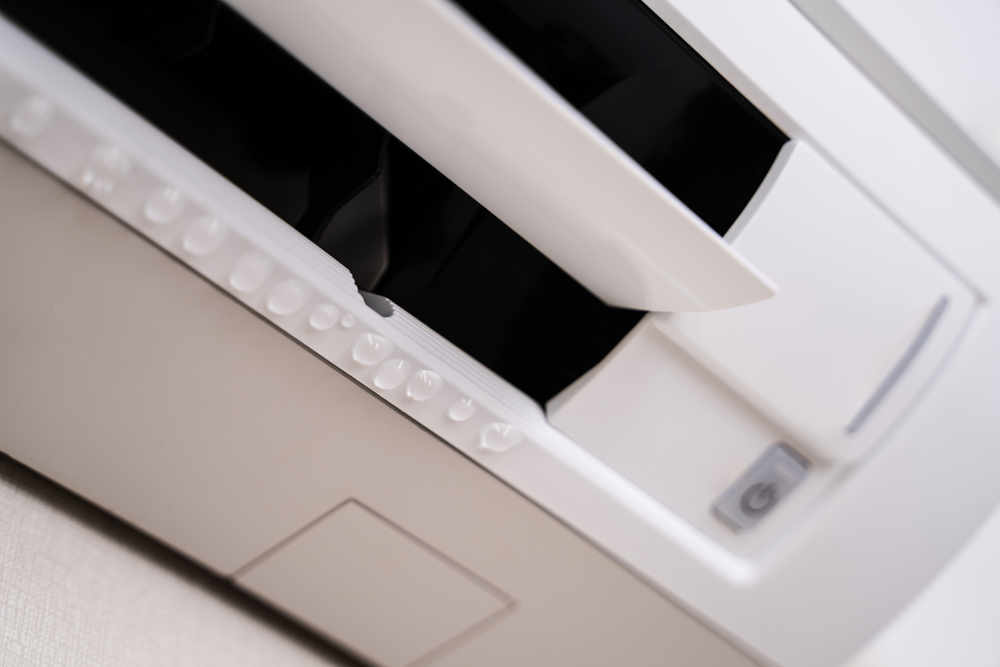
If you have ever stepped outside in St. Louis in July, you already know the feeling. The air wraps around you like a wet blanket, and by the time you reach your car, you are soaked through. St. Louis summers are not just hot; they are relentlessly humid. And while most people think of their air conditioner as a simple cooling machine, the truth is that humidity is often a bigger enemy to your home comfort than temperature alone.
Understanding how that humidity works against your system, and what you can do about it, is the key to surviving another St. Louis summer without losing your mind or your money.
Why St. Louis Humidity Is a Special Kind of Brutal
St. Louis sits at the confluence of the Missouri and Mississippi rivers, and that geography is no coincidence when it comes to summer misery. Moisture evaporating off those massive waterways, combined with warm air pushing up from the Gulf of Mexico, creates a humidity profile that regularly sends the heat index soaring well above the actual air temperature. When relative humidity climbs into the 70 to 90 percent range, your body loses its ability to cool itself efficiently through perspiration. Even at 85 degrees, those conditions can feel like 100 degrees or more.
Your air conditioner is fighting the same battle your body is. Every unit is designed to remove both heat and moisture from indoor air, but when outdoor humidity is extreme, the system has to work exponentially harder just to maintain a livable indoor environment. The result is a unit that runs longer, cycles more frequently, and wears out faster than it would in a drier climate. That is why AC repair in St. Louis tends to spike during the most oppressive stretches of summer, when systems that seemed perfectly fine in May suddenly give up under the load of a humid July heat wave.
How Humidity Overworks Your Cooling System
Most homeowners judge their AC by one standard: does it feel cool inside? But the real measure of a well-functioning system is its ability to control both temperature and relative humidity simultaneously. A properly sized and maintained unit should hold indoor humidity somewhere between 40 and 55 percent. When that number climbs above 60 percent, you start to notice it. The air feels heavy. Surfaces feel clammy. You crank the thermostat lower, which forces the unit to work even harder, and the cycle compounds.
The mechanical consequences are serious. When an AC runs continuously trying to compensate for excess moisture, several things happen. The evaporator coil can freeze over because the system never gets a proper rest cycle, which dramatically reduces airflow and cooling capacity. Refrigerant levels get strained, and small leaks that might otherwise stay manageable can worsen quickly under constant pressure. Filters clog faster when air is being pulled through at higher volumes for longer periods. Drainage lines, tasked with carrying away all that extracted moisture, become prone to clogs and backups. Any one of these issues can push a struggling system into a full breakdown, which is why so many calls for AC repair in St. Louis come in waves during high-humidity stretches rather than being spread evenly across the season.
The Role of Air Purifiers in Humidity Management
One tool that homeowners often overlook is the air purifier. Most people associate air purifiers with allergens, dust, and pollutants, and they are absolutely effective at those tasks. But certain types of air purifiers, particularly those combined with whole-home ventilation or dehumidification systems, play a meaningful role in the broader fight against indoor humidity. When air is heavily laden with moisture, it also tends to carry more biological contaminants. Mold spores, mildew, and bacteria thrive in high-humidity environments, and a home where the AC is struggling to keep up with moisture levels is often a home where those contaminants are building up invisibly.
Standalone air purifiers with HEPA filtration can reduce the particulate load your HVAC system has to process, which makes the system slightly more efficient overall. More impactful are whole-home air purifiers that integrate directly with your ductwork and include UV-C technology or activated carbon filtration to neutralize biological threats. In a city like St. Louis where summer humidity creates ideal conditions for mold growth, pairing a good air purifier with a dedicated dehumidifier can meaningfully reduce the burden on your central AC and improve overall air quality at the same time.
Emergency HVAC Options When Your System Fails
Even well-maintained systems can reach a breaking point during an extended heat and humidity siege. When that happens, you need to know your emergency HVAC options before the situation becomes dangerous, particularly if you have young children, elderly family members, or anyone with health vulnerabilities in the home.
The most immediate stop-gap is a portable or window-unit air conditioner. These are available at most hardware and home improvement stores across the St. Louis area and can provide localized cooling for a bedroom or living area while you wait for a professional repair. Portable units are not as efficient as central systems, but they can make a sleeping space tolerable during an outage. Box fans combined with ice can also provide short-term relief in a pinch.
For a more serious emergency, many HVAC companies in the St. Louis area offer after-hours and emergency service calls, though you should expect premium pricing during peak summer demand. Having the contact information for a trusted HVAC provider saved in your phone before an emergency occurs can save you hours of frantic searching when temperatures inside your home are climbing. Some utility companies also maintain programs that offer temporary assistance or loaner units to households experiencing AC failures during heat advisories.
Why Energy-Efficient HVAC Systems Pay for Themselves in St. Louis
If your current system is more than 10 to 15 years old, there is a compelling argument for replacing it rather than repeatedly repairing it, especially if you are dealing with humidity control problems on top of general wear. Energy-efficient HVAC systems designed for high-humidity climates offer features that older units simply cannot match.
Variable-speed compressors are one of the most significant advances in modern HVAC technology. Unlike single-stage units that operate at full blast or not at all, variable-speed systems modulate their output to match actual demand. This means longer, gentler run cycles that are far more effective at pulling moisture out of the air. A two-stage or variable-speed unit running at 60 percent capacity for an extended period will dehumidify your home far better than a single-stage unit hammering away at full power for short bursts.
Modern energy-efficient HVAC systems also carry significantly higher SEER ratings (Seasonal Energy Efficiency Ratio), which translates directly to lower monthly utility bills. In a city where summers push air conditioners to their limits for three to four months of the year, the savings compound quickly. Many units also qualify for federal tax credits and local utility rebates, reducing the upfront cost of replacement substantially. When you factor in the reduced frequency of repairs and the dramatically improved comfort in a humidity-heavy market like St. Louis, upgrading to a high-efficiency system is often the smartest financial decision a homeowner can make.
Conclusion
St. Louis summers demand more from your cooling system than most climates in the country. Humidity is the hidden multiplier that turns a manageable heat into an exhausting ordeal for both you and your equipment. Staying ahead of that challenge means understanding how moisture overworks your system, knowing when to call for AC repair in St. Louis before a small issue becomes a full breakdown, and considering long-term investments in energy-efficient HVAC systems and air purifiers that address the problem at its root. A little preparation now saves a lot of misery when the next heat wave rolls in off the river.
Need HVAC Services in St. Louis, MO?
Keep cool or stay warm with Ashley Brothers Heating & Cooling. Since 1999, Ashley Brothers have been providing residential and commercial services to the St. Louis and Jefferson County area. We specialize in the installation of new equipment, heating and cooling repair, and furnace cleaning. Craftsmanship is important, equipment choice is too. We work with only top brands like Amana, Goodman, York, and McLain. It is understandable that replacing or upgrading your equipment can be daunting. Ask us about financing. We repair all heating and cooling equipment brands. Heating and cooling repairs can happen at random, take advantage of our 24-hour emergency service. Call us today about your concerns.