Few things are more frustrating than waking up with sticky sheets, foggy windows, and an air conditioner that seems to run nonstop. During the long, humid summers in St. Louis, excess indoor moisture can make your home feel uncomfortable even when the thermostat says the temperature is right.
Quick Answer
If your air conditioner is struggling to remove humidity, your home may feel damp, clammy, or warmer than the thermostat reading suggests. You may also notice rising energy bills, musty odors, condensation, or longer cooling cycles. In many cases, these symptoms point to an air conditioning system that needs maintenance, repair, or proper sizing rather than simply lowering the thermostat.
What Local Readers Should Know
High humidity can make your home feel several degrees warmer, causing your AC to work harder than necessary.
St. Louis summers often combine high temperatures with elevated humidity, creating extra demand on residential cooling systems.
Older homes in neighborhoods like Webster Groves, Kirkwood, and University City may have additional air leakage that allows moisture to enter.
Excess indoor humidity can contribute to mold growth, musty odors, and discomfort if left unaddressed.
Routine maintenance often improves both cooling performance and moisture removal before peak summer weather arrives.
Why This Matters Locally
Removing humidity is just as important as lowering indoor temperature. In St. Louis, moisture levels often remain high throughout late spring and summer, especially after rainfall or extended periods of warm weather. Homes throughout St. Louis County and nearby communities such as Chesterfield, Ballwin, Maryland Heights, and Clayton frequently experience conditions where humidity becomes the biggest comfort problem.
Ashley Brothers Heating & Cooling helps local homeowners understand why their cooling systems may no longer keep indoor air comfortable. After this introduction, we’ll simply say we because our goal is to help homeowners recognize problems early before they become expensive repairs.
Local Data or Field Observations
Professional HVAC technicians throughout the St. Louis area commonly encounter humidity complaints during the hottest months of the year. Systems that appear to cool normally may still fail to remove enough moisture because of dirty components, airflow problems, oversized equipment, or aging parts.
According to the National Weather Service, the St. Louis region regularly experiences periods of high summer humidity that increase heat index values and place additional strain on residential cooling equipment.
Local Impact
An air conditioner that cannot properly control humidity affects more than comfort.
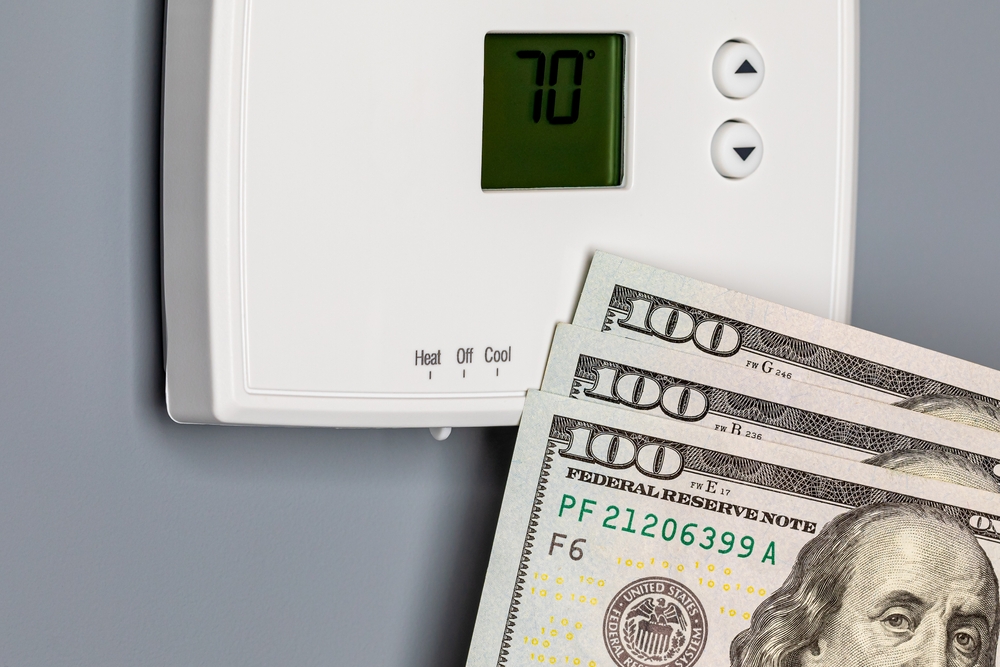
Higher indoor moisture forces many homeowners to lower their thermostat in an attempt to feel cooler. Unfortunately, this usually increases electricity usage without solving the real issue.
Excess humidity may also contribute to:
Increased monthly utility bills
Musty smells throughout the home
Condensation on windows
Mold and mildew growth
Reduced indoor comfort
Added wear on HVAC equipment
For families throughout St. Louis County, these issues often become most noticeable during July and August when outdoor humidity remains consistently high.
Signs Your AC Is Struggling to Remove Humidity
An air conditioner that struggles to dehumidify usually gives several warning signs before complete failure.
1. Your Home Feels Sticky
If the air feels damp even though the AC is running, excess humidity is likely remaining indoors.
2. The Thermostat Reads Comfortable but You Still Feel Warm
Humidity affects how your body perceives temperature. Your home may be 72 degrees but still feel uncomfortable.
3. Rising Energy Bills
Longer cooling cycles often translate into higher electricity costs because your system never reaches optimal efficiency.
4. Condensation on Windows
Persistent moisture forming on interior windows can indicate excessive indoor humidity.
5. Musty Odors
A damp indoor environment creates favorable conditions for mildew and unpleasant odors.
6. Mold Around Vents or Registers
Visible mold growth near vents should never be ignored because it may indicate ongoing moisture problems.
7. Your AC Runs Constantly
Continuous operation without improving comfort often points to reduced system performance.
When to Call a Professional
You should call an HVAC professional if your air conditioner consistently leaves your home feeling humid despite running normally. While homeowners can replace air filters, check thermostat settings, and keep outdoor units clear of debris, diagnosing refrigerant issues, airflow restrictions, evaporator coil problems, or improper system sizing requires specialized equipment.
Ignoring humidity issues during a St. Louis summer may lead to increased energy costs and unnecessary strain on your equipment.
Common Local Causes
Several issues commonly reduce an air conditioner’s ability to remove moisture.
Dirty Air Filters
Restricted airflow limits the evaporator coil’s ability to remove humidity efficiently.
Dirty Evaporator Coils
Dust accumulation reduces heat transfer and moisture removal.
Oversized Air Conditioners
An oversized system cools too quickly and shuts off before enough humidity is removed.
Low Refrigerant
Improper refrigerant levels reduce cooling performance and dehumidification capacity.
Aging Equipment
Older systems naturally lose efficiency over time, especially after years of heavy summer operation.
Air Leaks
Homes throughout older parts of St. Louis may have gaps that allow humid outdoor air to continually enter.
Prevention and Maintenance
Preventing humidity problems usually begins with regular HVAC maintenance.
Helpful steps include:
Replace air filters as recommended.
Keep supply and return vents unobstructed.
Schedule annual AC maintenance before peak cooling season.
Seal obvious air leaks around doors and windows.
Monitor indoor humidity if your home frequently feels damp.
Professional inspections allow technicians to identify airflow issues before they become larger repairs.
Expected Results
Professional maintenance and repairs can often improve humidity control, increase cooling efficiency, reduce system run time, and restore indoor comfort. Results vary depending on the age, condition, and design of the equipment, but many homeowners notice improved comfort once airflow and cooling performance are restored.
Common Mistakes
Mistake: Lowering the Thermostat Repeatedly
Consequence: Higher energy bills without reducing indoor humidity.
Better Approach: Have the cooling system evaluated to determine why moisture removal has declined.
Mistake: Skipping Annual Maintenance
Consequence: Small airflow or performance issues gradually reduce efficiency.
Better Approach: Schedule preventive service before summer demand increases.
Mistake: Ignoring Musty Odors
Consequence: Moisture problems may worsen over time.
Better Approach: Investigate humidity issues early before additional indoor air quality concerns develop.
Common Local Scenario
A common situation involves a homeowner in St. Louis whose air conditioner keeps the house near the desired temperature but never eliminates the sticky feeling indoors. The family lowers the thermostat several degrees, yet energy bills continue climbing while comfort never improves. After an inspection, the problem may turn out to be restricted airflow, a dirty evaporator coil, or an aging system struggling to remove moisture efficiently.
Related Service Solutions
Humidity problems can often be addressed through services such as:
Air conditioning maintenance
AC repairs
System performance inspections
Airflow evaluations
Indoor air quality solutions
Air conditioner replacement when equipment has reached the end of its service life
Filter changes and basic cleaning help maintain airflow.
Cannot diagnose mechanical or refrigerant problems.
Professional Repair
Addresses specific performance issues and restores operation.
May not be cost effective for aging equipment.
System Replacement
Improves efficiency and humidity control when properly sized.
Higher upfront investment.
Service Areas
We proudly serve homeowners throughout St. Louis as well as nearby communities including Chesterfield, Ballwin, Kirkwood, Webster Groves, Maryland Heights, and surrounding areas throughout St. Louis County. Our goal is to help local families stay comfortable during every season.
Cost of Ignoring the Issue
Ignoring excess indoor humidity can increase cooling costs, reduce equipment lifespan, create indoor comfort problems, and potentially contribute to moisture-related damage inside the home. Addressing the issue early often prevents more extensive repairs later.
Why does my home in St. Louis feel humid even with the AC running?
Yes. An air conditioner may still cool the air while failing to remove enough moisture because of airflow restrictions, maintenance issues, or improper sizing.
Is high humidity normal during summers in St. Louis County?
Yes. The region regularly experiences warm, humid conditions that place additional demand on residential air conditioning systems.
Can changing my air filter improve humidity control?
Yes. A clean air filter improves airflow, which helps your system remove moisture more effectively.
Should I lower my thermostat if my house feels sticky?
No. Lowering the thermostat may increase energy costs without solving the underlying humidity problem.
How often should homeowners in St. Louis schedule AC maintenance?
Most HVAC professionals recommend annual maintenance before peak cooling season to help maintain efficiency and reliable humidity control.
Can an old air conditioner struggle with humidity even if it still cools?
Yes. Aging equipment often loses efficiency over time, making moisture removal less effective even when temperatures appear comfortable.
Will a larger AC remove more humidity?
No. An oversized air conditioner may cool your home too quickly, preventing it from running long enough to effectively remove moisture.
When should I call an HVAC professional?
You should schedule an inspection if your home remains humid, your energy bills continue increasing, or your system runs longer without improving comfort.
Stay Comfortable Through Every St. Louis Summer
Humidity problems rarely improve on their own, but they can often be corrected before they lead to larger repairs or higher utility bills. Recognizing the warning signs early helps protect both your comfort and your cooling system.
Is Your AC Leaving Your Home Sticky Instead of Comfortable?
We’re here to help you find the cause of excess humidity and recommend practical solutions that fit your home’s needs.
If you have ever stepped outside in St. Louis in July, you already know the feeling. The air wraps around you like a wet blanket, and by the time you reach your car, you are soaked through. St. Louis summers are not just hot; they are relentlessly humid. And while most people think of their air conditioner as a simple cooling machine, the truth is that humidity is often a bigger enemy to your home comfort than temperature alone.
Understanding how that humidity works against your system, and what you can do about it, is the key to surviving another St. Louis summer without losing your mind or your money.
Why St. Louis Humidity Is a Special Kind of Brutal
St. Louis sits at the confluence of the Missouri and Mississippi rivers, and that geography is no coincidence when it comes to summer misery. Moisture evaporating off those massive waterways, combined with warm air pushing up from the Gulf of Mexico, creates a humidity profile that regularly sends the heat index soaring well above the actual air temperature. When relative humidity climbs into the 70 to 90 percent range, your body loses its ability to cool itself efficiently through perspiration. Even at 85 degrees, those conditions can feel like 100 degrees or more.
Your air conditioner is fighting the same battle your body is. Every unit is designed to remove both heat and moisture from indoor air, but when outdoor humidity is extreme, the system has to work exponentially harder just to maintain a livable indoor environment. The result is a unit that runs longer, cycles more frequently, and wears out faster than it would in a drier climate. That is why AC repair in St. Louis tends to spike during the most oppressive stretches of summer, when systems that seemed perfectly fine in May suddenly give up under the load of a humid July heat wave.
How Humidity Overworks Your Cooling System
Most homeowners judge their AC by one standard: does it feel cool inside? But the real measure of a well-functioning system is its ability to control both temperature and relative humidity simultaneously. A properly sized and maintained unit should hold indoor humidity somewhere between 40 and 55 percent. When that number climbs above 60 percent, you start to notice it. The air feels heavy. Surfaces feel clammy. You crank the thermostat lower, which forces the unit to work even harder, and the cycle compounds.
The mechanical consequences are serious. When an AC runs continuously trying to compensate for excess moisture, several things happen. The evaporator coil can freeze over because the system never gets a proper rest cycle, which dramatically reduces airflow and cooling capacity. Refrigerant levels get strained, and small leaks that might otherwise stay manageable can worsen quickly under constant pressure. Filters clog faster when air is being pulled through at higher volumes for longer periods. Drainage lines, tasked with carrying away all that extracted moisture, become prone to clogs and backups. Any one of these issues can push a struggling system into a full breakdown, which is why so many calls for AC repair in St. Louis come in waves during high-humidity stretches rather than being spread evenly across the season.
The Role of Air Purifiers in Humidity Management
One tool that homeowners often overlook is the air purifier. Most people associate air purifiers with allergens, dust, and pollutants, and they are absolutely effective at those tasks. But certain types of air purifiers, particularly those combined with whole-home ventilation or dehumidification systems, play a meaningful role in the broader fight against indoor humidity. When air is heavily laden with moisture, it also tends to carry more biological contaminants. Mold spores, mildew, and bacteria thrive in high-humidity environments, and a home where the AC is struggling to keep up with moisture levels is often a home where those contaminants are building up invisibly.
Standalone air purifiers with HEPA filtration can reduce the particulate load your HVAC system has to process, which makes the system slightly more efficient overall. More impactful are whole-home air purifiers that integrate directly with your ductwork and include UV-C technology or activated carbon filtration to neutralize biological threats. In a city like St. Louis where summer humidity creates ideal conditions for mold growth, pairing a good air purifier with a dedicated dehumidifier can meaningfully reduce the burden on your central AC and improve overall air quality at the same time.
Emergency HVAC Options When Your System Fails
Even well-maintained systems can reach a breaking point during an extended heat and humidity siege. When that happens, you need to know your emergency HVAC options before the situation becomes dangerous, particularly if you have young children, elderly family members, or anyone with health vulnerabilities in the home.
The most immediate stop-gap is a portable or window-unit air conditioner. These are available at most hardware and home improvement stores across the St. Louis area and can provide localized cooling for a bedroom or living area while you wait for a professional repair. Portable units are not as efficient as central systems, but they can make a sleeping space tolerable during an outage. Box fans combined with ice can also provide short-term relief in a pinch.
For a more serious emergency, many HVAC companies in the St. Louis area offer after-hours and emergency service calls, though you should expect premium pricing during peak summer demand. Having the contact information for a trusted HVAC provider saved in your phone before an emergency occurs can save you hours of frantic searching when temperatures inside your home are climbing. Some utility companies also maintain programs that offer temporary assistance or loaner units to households experiencing AC failures during heat advisories.
Why Energy-Efficient HVAC Systems Pay for Themselves in St. Louis
If your current system is more than 10 to 15 years old, there is a compelling argument for replacing it rather than repeatedly repairing it, especially if you are dealing with humidity control problems on top of general wear. Energy-efficient HVAC systems designed for high-humidity climates offer features that older units simply cannot match.
Variable-speed compressors are one of the most significant advances in modern HVAC technology. Unlike single-stage units that operate at full blast or not at all, variable-speed systems modulate their output to match actual demand. This means longer, gentler run cycles that are far more effective at pulling moisture out of the air. A two-stage or variable-speed unit running at 60 percent capacity for an extended period will dehumidify your home far better than a single-stage unit hammering away at full power for short bursts.
Modern energy-efficient HVAC systems also carry significantly higher SEER ratings (Seasonal Energy Efficiency Ratio), which translates directly to lower monthly utility bills. In a city where summers push air conditioners to their limits for three to four months of the year, the savings compound quickly. Many units also qualify for federal tax credits and local utility rebates, reducing the upfront cost of replacement substantially. When you factor in the reduced frequency of repairs and the dramatically improved comfort in a humidity-heavy market like St. Louis, upgrading to a high-efficiency system is often the smartest financial decision a homeowner can make.
Conclusion
St. Louis summers demand more from your cooling system than most climates in the country. Humidity is the hidden multiplier that turns a manageable heat into an exhausting ordeal for both you and your equipment. Staying ahead of that challenge means understanding how moisture overworks your system, knowing when to call for AC repair in St. Louis before a small issue becomes a full breakdown, and considering long-term investments in energy-efficient HVAC systems and air purifiers that address the problem at its root. A little preparation now saves a lot of misery when the next heat wave rolls in off the river.
Need HVAC Services in St. Louis, MO?
Keep cool or stay warm with Ashley Brothers Heating & Cooling. Since 1999, Ashley Brothers have been providing residential and commercial services to the St. Louis and Jefferson County area. We specialize in the installation of new equipment, heating and cooling repair, and furnace cleaning. Craftsmanship is important, equipment choice is too. We work with only top brands like Amana, Goodman, York, and McLain. It is understandable that replacing or upgrading your equipment can be daunting. Ask us about financing. We repair all heating and cooling equipment brands. Heating and cooling repairs can happen at random, take advantage of our 24-hour emergency service. Call us today about your concerns.
In the heat of a St. Louis, MO summer, a fully functioning air conditioning system is not just a convenience, it is a necessity. When your cooling system starts to falter, you are faced with a difficult decision: should you invest in AC repair, or is it time to consider AC replacement? Many homeowners struggle to make this call, especially when both options involve time, money, and the comfort of their household. Fortunately, by understanding the signs and considering key factors, residents in St. Louis can make an informed choice that balances cost, comfort, and long-term reliability.
Age of Your AC Unit
One of the primary indicators of whether to repair or replace your AC system is its age. Most air conditioning units have a typical lifespan of 10 to 15 years. If your unit is approaching or has passed this range, it may be operating at reduced efficiency, leading to higher utility bills and a greater risk of breakdowns.
In St. Louis, where summers can be hot and humid, air conditioners experience heavy use. This climate factor may shorten the effective lifespan of your system. Even if an older AC unit seems to be working fine, homeowners often find themselves calling for emergency AC repair during the hottest days of the year. At a certain point, the cost and inconvenience of frequent repairs begin to outweigh the investment in a new, more efficient system.
For those with systems under ten years old, AC repair often remains the more practical route, especially if the unit has been well-maintained and still operates reliably. But once you are regularly searching for “air conditioner repair near me,” it may be time to weigh replacement more seriously.
Cost of Repairs vs. Replacement
Another critical factor is the cost of repairing your current system compared to purchasing a new one. A widely recommended rule of thumb is the 50 percent rule: if the cost of the repair is more than half the value of a new unit, replacement is usually the better option.
Let’s say your AC needs a major component like a compressor or evaporator coil replaced. These parts can be expensive, and if your unit is older, there is no guarantee that other parts won’t fail soon after. Homeowners in St. Louis often contact a trusted HVAC company to get estimates for both repair and replacement before deciding.
Sometimes, multiple smaller repairs add up quickly. For example, fixing refrigerant leaks, replacing capacitors, and updating electrical components might seem minor individually, but collectively they can approach the cost of a new system. If you find yourself making such repairs more than once a season, it might be more economical to replace the unit outright.
Energy Efficiency and Utility Bills
As energy costs continue to rise, the efficiency of your air conditioner plays a major role in your decision. Older systems, particularly those manufactured before the introduction of higher SEER (Seasonal Energy Efficiency Ratio) standards, consume more electricity to achieve the same level of cooling. In contrast, modern systems are engineered for greater energy efficiency and cost savings over time.
St. Louis residents often notice the impact of a low-efficiency AC on their monthly utility bills, especially during July and August. A newer system with a higher SEER rating can significantly reduce energy consumption, helping to offset the cost of installation over time. Additionally, some HVAC companies in St. Louis offer financing plans or rebate programs, making AC replacement more accessible than many homeowners expect.
Furthermore, eco-conscious homeowners may want to consider the environmental benefits of a newer, more efficient system. Reducing your energy use not only saves money but also lessens your carbon footprint.
Frequency and Urgency of Repairs
How often you need to call for AC service can also help determine whether repair or replacement is best. If your system has required emergency AC repair in St. Louis more than once in the past year, that is a red flag. Even if these repairs were successful, the need for repeated intervention is usually a sign that your unit is on its last legs.
Each time your air conditioner breaks down, it creates a disruption in your home, especially during extreme weather. For families with young children, elderly members, or pets, going without cool air in the summer heat is not just uncomfortable but potentially dangerous.
Reliability becomes even more important when your schedule is tight. Missing work, cancelling plans, or waiting on a technician during a heatwave takes a toll. Homeowners often reach a point where they value peace of mind and consistent performance over continuing to gamble on an aging system.
Home Comfort and Air Quality
Even if your current system still runs, it may no longer provide the level of comfort your home needs. Older air conditioners may struggle to maintain consistent temperatures across all rooms, leading to hot spots or uneven cooling. In some cases, humidity control also suffers, which is a major issue during muggy St. Louis summers.
Additionally, as units age, their ability to filter and circulate air diminishes. This can lead to increased dust, allergens, or even mold in your ducts. For anyone with respiratory conditions or allergies, this can significantly impact health and well-being.
Newer AC systems offer more advanced air purification, better humidity control, and quieter operation. These upgrades can dramatically enhance your indoor environment and make your home more pleasant year-round. If your current system is making strange noises, releasing odors, or failing to deliver consistent airflow, replacement may improve not only performance but overall quality of life.
Conclusion
Deciding between AC repair and AC replacement in St. Louis is not always straightforward, but taking the time to evaluate your unit’s age, performance, repair history, and energy efficiency can provide clarity. Homeowners should also consider how frequently they are dealing with breakdowns and whether their system is still providing the comfort and reliability they need.
If you find yourself repeatedly typing “air conditioner repair near me” or scheduling emergency AC repair in St. Louis, it may be time to speak with a reputable HVAC company about your options. A professional evaluation can help determine whether a targeted repair will restore your system’s performance or if replacement is the more cost-effective path forward.
Ultimately, keeping your home comfortable and energy-efficient during the demanding summer months requires a system you can count on. With the right guidance and timely decision-making, St. Louis homeowners can invest wisely and ensure their household stays cool no matter how hot it gets outside.
Need HVAC Services in St. Louis, MO?
Keep cool or stay warm with Ashley Brothers Heating & Cooling. Since 1999, Ashley Brothers have been providing residential and commercial services to the St. Louis and Jefferson County area. We specialize in the installation of new equipment, heating and cooling repair, and furnace cleaning. Craftsmanship is important, equipment choice is too. We work with only top brands like Amana, Goodman, York, and McLain. It is understandable that replacing or upgrading your equipment can be daunting. Ask us about financing. We repair all heating and cooling equipment brands. Heating and cooling repairs can happen at random, take advantage of our 24-hour emergency service. Call us today about your concerns.
When it comes to keeping your home comfortable, heating and cooling are two of the biggest factors that affect your energy bills. If your system is old or outdated, it could be working much harder than necessary to maintain your indoor temperature. That means wasted energy, higher costs, and less comfort.
At Ashley Brothers Heating & Cooling, we believe that homeowners deserve clear, straightforward information before investing in new HVAC equipment. Whether you’re exploring energy-efficient furnaces in St. Louis or shopping for an energy-efficient air conditioner in Crestwood, MO, understanding what “efficiency” really means can help you make the smartest decision for your home and budget.
Let’s take a closer look at how efficiency ratings work, what makes modern HVAC systems more efficient, and how our team can help you choose and install the best system for your needs.
What Does “Energy Efficiency” Really Mean in HVAC Systems?
In the simplest terms, energy efficiency describes how effectively a furnace or air conditioner converts energy into heating or cooling. The more efficiently a system operates, the less energy it wastes, and the lower your monthly utility bills will be.
For example:
A high-efficiency furnace converts nearly all of its fuel into usable heat with very little waste.
An efficient air conditioner cools your home using less electricity while maintaining consistent comfort levels.
These systems not only reduce energy costs but also have a positive impact on the environment by lowering overall energy consumption.
At Ashley Brothers Heating & Cooling, we specialize in efficient HVAC systems in Crestwood, MO, that meet or exceed ENERGY STAR standards, ensuring top-tier performance and value.
Understanding the Key Efficiency Ratings
When comparing HVAC systems, you’ll encounter several efficiency ratings. These ratings help homeowners understand how much energy a unit uses and how effectively it performs.
1. SEER (Seasonal Energy Efficiency Ratio)
The SEER rating measures how efficiently an air conditioner or heat pump cools your home over an entire cooling season. The higher the SEER number, the more efficient the system.
For example:
Older air conditioners typically have SEER ratings of 8 to 10.
Modern systems start at 13 SEER, with high-efficiency models reaching 20 SEER or more.
A unit with a SEER rating of 18, for example, uses significantly less electricity than a 13 SEER model, translating into lower monthly bills. When shopping for an energy-efficient air conditioner in Crestwood, MO, our team will help you find the right SEER level for your home’s size, layout, and budget.
2. AFUE (Annual Fuel Utilization Efficiency)
AFUE applies to furnaces and boilers and measures how much of the fuel consumed is converted into usable heat. The higher the percentage, the more efficient the furnace.
Here’s a quick breakdown:
A furnace with an 80 percent AFUE converts 80 percent of its fuel into heat, with the remaining 20 percent lost through exhaust.
High-efficiency furnaces can achieve AFUE ratings of 95 percent or higher.
If you’re considering upgrading to one of the energy-efficient furnaces in St. Louis, our experts can explain how AFUE impacts your long-term energy costs and comfort.
3. ENERGY STAR Certification
ENERGY STAR is a nationally recognized symbol of energy efficiency. Systems that earn this certification meet strict performance and energy-saving guidelines set by the U.S. Environmental Protection Agency.
When you see the ENERGY STAR label on HVAC equipment, you can trust that it delivers measurable efficiency and savings compared to standard models. Ashley Brothers Heating & Cooling proudly installs and services ENERGY STAR-certified systems for both heating and cooling.
Features That Make Modern Systems More Efficient
Today’s HVAC systems are designed with advanced technology that helps homeowners save energy without sacrificing comfort. Here are a few of the most important features that contribute to higher efficiency:
Variable-Speed Motors
Traditional systems run at one speed — on or off. Variable-speed systems, on the other hand, adjust airflow and output based on your home’s temperature needs. This allows for consistent comfort and reduced energy waste.
Smart Thermostats
Pairing your HVAC system with a programmable or smart thermostat allows you to fine-tune temperature settings throughout the day. This minimizes energy use when you’re away and maximizes comfort when you’re home.
Two-Stage and Modulating Systems
High-efficiency furnaces and air conditioners often feature two-stage or modulating operation. Instead of constantly running at full power, they adjust their output to maintain steady indoor temperatures. This not only improves comfort but also extends the system’s lifespan.
Improved Airflow and Sealing
Modern efficient HVAC installations in Crestwood, MO, include careful ductwork sealing and airflow design. Leaky ducts can waste up to 30 percent of your conditioned air, so ensuring a tight system helps maximize efficiency.
Eco-Friendly Refrigerants
Many newer air conditioning systems use environmentally friendly refrigerants that operate more efficiently and have lower environmental impact than older formulations.
Why Efficiency Ratings Are Worth the Investment
It’s no secret that higher-efficiency systems come with a larger upfront cost, but the long-term benefits make them a smart investment. Here’s why:
1. Lower Energy Bills
An energy-efficient system uses less electricity or fuel, which directly reduces your monthly utility costs. Over time, these savings can easily offset the initial installation price.
2. Increased Comfort
Efficient systems maintain consistent temperatures, reduce humidity, and provide quieter operation. Variable-speed motors and smart controls also eliminate frequent temperature swings.
3. Extended Equipment Life
Systems that operate efficiently experience less strain and wear, leading to longer lifespans and fewer breakdowns.
4. Eco-Friendly Operation
By using less energy, efficient HVAC systems reduce your home’s carbon footprint and support environmental sustainability.
5. Higher Home Value
Homes equipped with modern, efficient HVAC systems are often more appealing to buyers, especially as energy awareness continues to grow.
When you work with Ashley Brothers Heating & Cooling, our knowledgeable technicians will explain these benefits clearly and help you compare options based on your home’s layout, insulation, and comfort needs.
How to Maximize Your HVAC System’s Efficiency
Even the most efficient HVAC equipment needs proper installation and maintenance to perform its best. Here are a few tips from our experts to help you get the most out of your system:
Schedule Regular Maintenance
Routine tune-ups keep your system running at peak performance. Our technicians check refrigerant levels, inspect electrical components, clean filters, and ensure proper airflow. Preventive maintenance not only boosts efficiency but also helps prevent costly repairs.
Change Filters Regularly
Clogged filters restrict airflow, forcing your system to work harder. Replace or clean filters every one to three months depending on usage and air quality.
Seal Air Leaks
Gaps around windows, doors, and ductwork can waste energy and strain your HVAC system. Sealing leaks keeps conditioned air inside and improves system performance.
Use a Programmable Thermostat
Setting your thermostat to automatically adjust temperatures when you’re sleeping or away can reduce energy usage without sacrificing comfort.
Upgrade Older Equipment
If your furnace or air conditioner is more than 10 to 15 years old, upgrading to a new energy-efficient air conditioner in Crestwood, MO, or furnace could save you up to 30 percent on heating and cooling costs.
Choosing the Right Efficiency Level for Your Home
Not every home requires the highest efficiency model available. Factors like home size, insulation quality, and daily usage all influence which system will deliver the best value.
At Ashley Brothers Heating & Cooling, we take the time to evaluate your home’s unique needs before recommending a system. Our team explains the differences between models, helps you compare SEER and AFUE ratings, and provides transparent pricing.
Our goal is not just to sell a system: it’s to help you make an informed decision that provides the best comfort, efficiency, and return on investment.
When it comes to installing and servicing efficient HVAC systems in Crestwood, MO, local homeowners turn to Ashley Brothers Heating & Cooling for expertise they can trust.
Here’s what sets us apart:
Certified Technicians: Our team is trained in the latest energy efficiency standards and technologies.
Personalized Recommendations: We match systems to your specific home and lifestyle needs.
Quality Installations: Every system we install is designed for optimal airflow and performance.
ENERGY STAR Products: We work exclusively with high-efficiency, certified equipment.
Customer Education: We make sure you understand your system’s features and how to maintain efficiency year-round.
We believe that informed homeowners make better decisions, which is why we focus on providing clear, practical education as part of our service.
Invest in Efficiency and Comfort
An energy-efficient HVAC system is more than a luxury: it’s a long-term investment in your comfort, savings, and peace of mind. Understanding how SEER, AFUE, and ENERGY STAR ratings work empowers you to make confident choices for your home.
At Ashley Brothers Heating & Cooling, we help homeowners throughout St. Louis and Crestwood make the switch to smarter, more efficient comfort systems. Whether you’re interested in upgrading to energy-efficient furnaces in St. Louis or want to explore options for an energy-efficient air conditioner in Crestwood, MO, our team is ready to guide you every step of the way.
Contact us today to schedule a consultation or request an estimate for efficient HVAC installations in Crestwood, MO. Let us help you create a home that’s comfortable, cost-effective, and energy smart all year long.
At Ashley Brothers Heating & Cooling, we know just how important a functioning air conditioning system is—especially during those sweltering summer months. Whether you’re at home or running a business, when the AC starts acting up, it quickly turns into an uncomfortable (and sometimes even dangerous) situation. Fortunately, most common AC problems can be fixed quickly and efficiently—if you know what to look for and have the right team on your side. In this post, we’re pulling back the curtain on the most frequent issues our technicians see in the field, and how we resolve them fast so you can stay cool and comfortable.
When Your AC Won’t Turn On
One of the most common issues our customers call us about is a unit that simply won’t turn on. If you’re wondering “why is my ac not working?”—this is often the first sign. Several factors could be at play here, and our experienced technicians always begin by checking the basics: thermostat settings, power sources, and circuit breakers. Believe it or not, a tripped breaker or dead thermostat battery is often the culprit.
If the power supply isn’t the issue, we then look into deeper mechanical problems such as a failed capacitor, blown fuse, or malfunctioning contactor. These are critical components that regulate how and when your air conditioner powers on. Our team carries a full inventory of replacement parts to ensure we can swap out faulty pieces on the spot, eliminating long wait times and keeping your home cool.
Because we know every hour without AC is a big deal, Ashley Brothers Heating & Cooling is structured for rapid response. Our trucks are stocked, our techs are trained, and our dispatch system is designed to get us to your doorstep as quickly as possible.
AC Blowing Warm Air
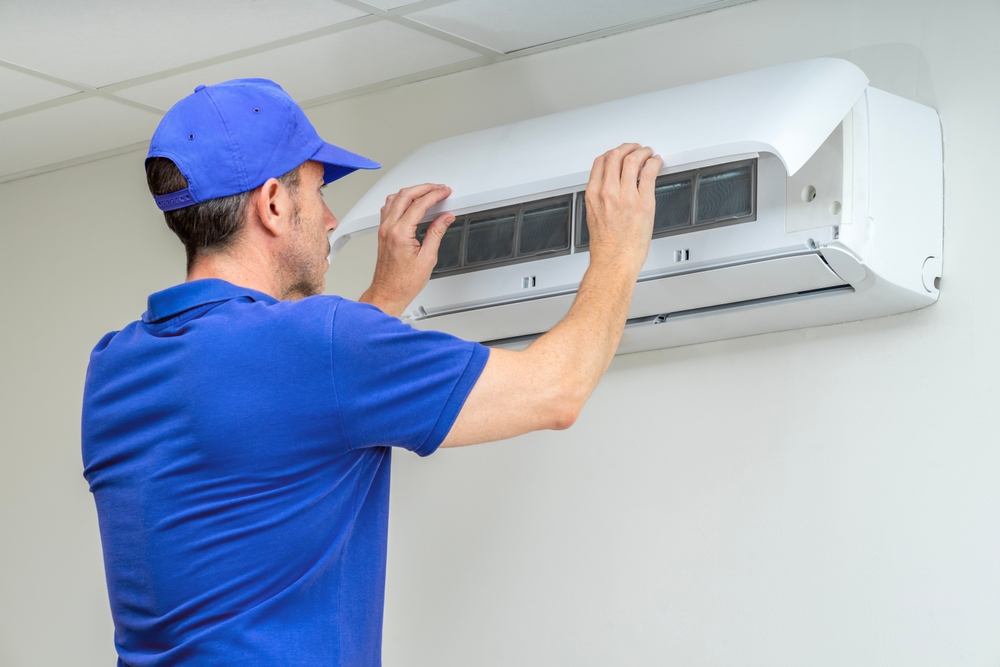
Another frequent concern we hear is that the air conditioning unit is running—but it’s blowing warm air instead of cool. This frustrating problem can have a few different causes. One of the most common is restricted airflow, typically due to a dirty air filter or a blocked return vent. During a service call, our team checks the entire air pathway, replacing filters and clearing blockages to restore full function.
Another potential issue is a refrigerant leak. Refrigerant is the lifeblood of your cooling system, and if levels drop too low, your AC simply can’t cool the air. Signs of a leak include hissing noises, frozen coils, or reduced airflow. If we suspect a refrigerant issue, we’ll run diagnostic tests to locate the leak, seal it properly, and recharge the system to manufacturer specifications.
Compressor problems and faulty thermostats are also suspects in this scenario. Our comprehensive diagnostic tools allow us to determine exactly what’s wrong without guesswork, giving you an accurate quote and a clear repair plan on the spot.
Strange Noises from the Unit
Air conditioners should be heard, not noticed. A slight hum or the sound of rushing air is normal—but if your unit starts to grind, squeal, rattle, or buzz, it’s time to call the pros. Odd noises are often the first sign of a part that’s wearing out or already broken.
Grinding noises often indicate a problem with the motor bearings. Squealing could mean a belt is loose or worn. Rattling might point to loose hardware or debris inside the unit. Buzzing can stem from electrical issues, including a failing capacitor or a contactor that won’t engage properly. These types of problems rarely go away on their own and usually get worse with time, so fast intervention is key.
At Ashley Brothers Heating & Cooling, we prioritize these service calls because we know the sound is more than just annoying—it’s a signal of deeper trouble. We’ll isolate the sound, identify the faulty part, and either repair or replace it on the spot. In most cases, we can restore your AC to full function during the same visit, thanks to our commitment to fully stocked vehicles and trained staff.
Water Leaks and Drainage Issues
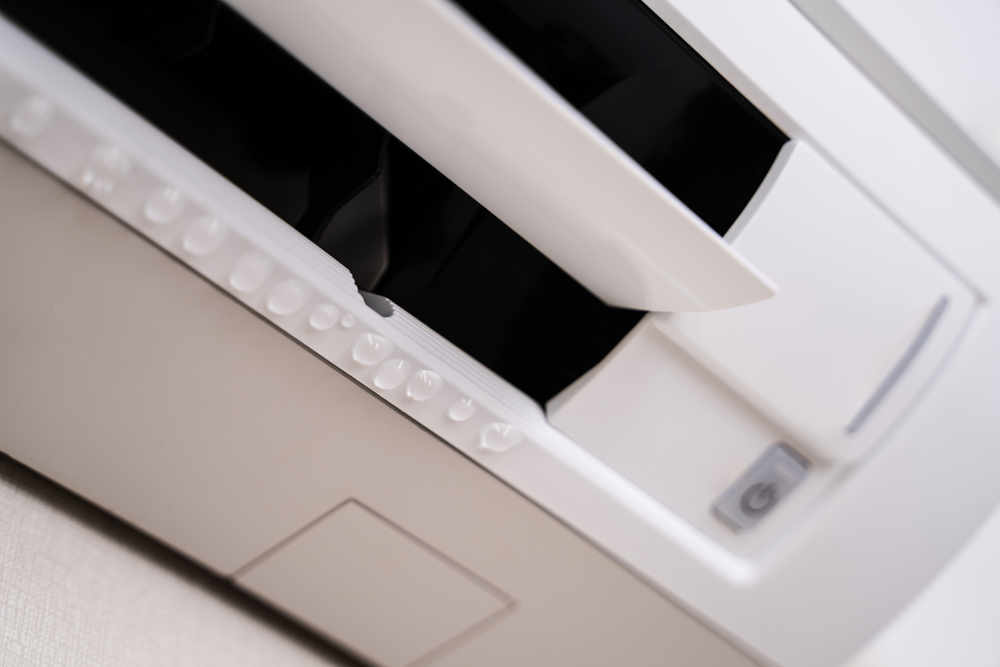
It’s not unusual for homeowners to call us in a panic after noticing water pooling around their AC unit. Although it may seem alarming, this is actually a common and usually fixable problem. Most AC systems create condensation as part of the cooling process, and that water is typically channeled away through a drain line. If that line becomes clogged, broken, or disconnected, you’ll end up with water where it shouldn’t be.
When we respond to these calls, our first step is inspecting the drain line and clearing any obstructions—often caused by dirt, mold, or algae buildup. In more severe cases, we may need to replace the line or address issues with the drain pan. If left unchecked, drainage issues can lead to mold growth, water damage, and even electrical hazards, so we take every leak seriously.
We also check the evaporator coil for freezing, which can cause overflow when it thaws. If we find frozen coils, that typically indicates restricted airflow or low refrigerant—both of which we’ll resolve as part of the same service. That’s one of the key reasons why our customers trust our ac repairs: we get to the root of the problem instead of applying temporary fixes.
Uneven Cooling Throughout the Home
Have you ever walked from one room into another and felt a dramatic difference in temperature? Uneven cooling is one of the more subtle but persistent AC problems we fix. This often happens due to issues in the ductwork—such as leaks, blockages, or poorly designed layouts that fail to deliver balanced airflow.
Our team uses airflow meters and infrared technology to diagnose these inconsistencies. If we find leaks in your ductwork, we’ll seal them with professional-grade materials. If poor design is the issue, we’ll recommend and implement adjustments to balance your system better. In some cases, the issue is with zoning, or the need for better thermostatic control in larger homes. We can install smart thermostats and zoning systems to give you precise control over each area of your home.
Sometimes, the root cause is as simple as a neglected air filter or an AC unit that’s not appropriately sized for your space. During every call, we conduct a full system evaluation to ensure your cooling setup is optimized for efficiency and comfort. Our air conditioning tips are always customized to your home’s layout and your lifestyle needs.
Preventative Maintenance: Our Best Fix is the One You Don’t Need
While we pride ourselves on being fast and efficient at solving problems, we’re even bigger believers in stopping them before they start. One of the best things you can do for your AC system is to invest in routine maintenance. Our preventative maintenance services are designed to catch small problems before they become big repairs—and keep your system running smoothly all season long.
During a typical maintenance visit, we’ll inspect every component of your system: from refrigerant levels and electrical connections to fan motors and filters. We’ll clean the coils, test for efficiency, and make minor adjustments that can extend the life of your unit. You’ll get a full report on the condition of your system and practical advice on how to fix ac problems before they interrupt your comfort.
Many of our clients sign up for our seasonal maintenance plans, which include priority scheduling, discounted repairs, and peace of mind that your AC is ready to handle even the hottest days. If you’ve ever asked yourself “why is my ac not working” in the middle of July, you know the value of being proactive.
Conclusion
At Ashley Brothers Heating & Cooling, we believe in service that’s fast, friendly, and always focused on long-term value. Whether it’s your first time calling us or you’ve been with us for years, we treat every home like it’s our own—and every system like it’s mission critical. When you need ac repairs, we’re just a call away.
We’re here to keep your home comfortable, your AC running at its best, and your summer stress-free. Stay cool—and remember, the sooner you call, the faster we fix it.
Need HVAC Services in St. Louis, MO?
Keep cool or stay warm with Ashley Brothers Heating & Cooling. Since 1999, Ashley Brothers have been providing residential and commercial services to the St. Louis and Jefferson County area. We specialize in the installation of new equipment, heating and cooling repair, and furnace cleaning. Craftsmanship is important, equipment choice is too. We work with only top brands like Amana, Goodman, York, and McLain. It is understandable that replacing or upgrading your equipment can be daunting. Ask us about financing. We repair all heating and cooling equipment brands. Heating and cooling repairs can happen at random, take advantage of our 24-hour emergency service. Call us today about your concerns.