
Smart Summer Spending: Why Upgrading to a High-Efficiency AC Beats Constant Quick Fixes
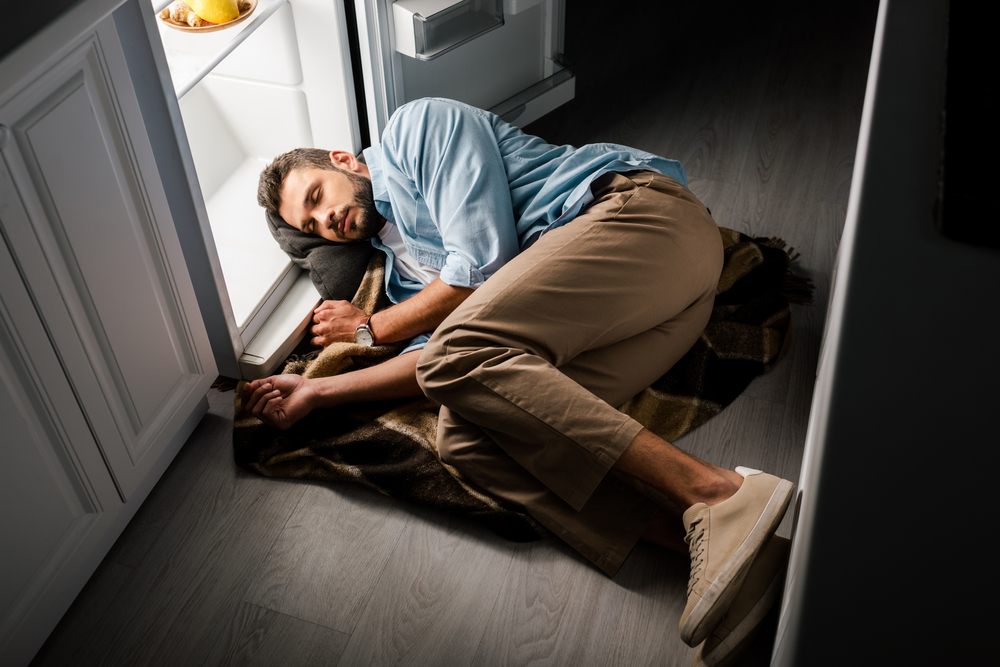
Every summer, homeowners across the country face the same exhausting cycle. The air conditioner struggles, a technician shows up, a part gets replaced, and a few weeks later the whole process starts over again. It feels manageable in the moment, but those service calls add up fast, and the unit keeps aging. If this sounds familiar, it may be time to take a serious look at whether patching an old system is actually saving you money or quietly draining it.
Investing in air conditioning installation for a modern, high-efficiency unit is one of the smartest financial decisions a homeowner can make before the summer heat peaks. This is not just about comfort. It is about protecting your budget, your home, and your peace of mind for years to come.
The Hidden Cost of “Just One More Repair”
There is a psychological trap that many homeowners fall into with aging HVAC equipment. Each individual repair seems reasonable. Replacing a capacitor costs a couple hundred dollars. Recharging refrigerant runs a similar amount. A new fan motor might push toward five hundred. Taken one at a time, none of these feel like deal-breakers.
The problem is that older systems do not stop needing repairs after one fix. When a unit reaches the ten-to-fifteen-year mark, components begin failing in sequence. The money spent on repeated service visits over a single summer can easily approach or exceed half the cost of a new system, with nothing to show for it but a few more months of unreliable cooling.
Beyond the direct repair costs, an aging system is working harder than it should to deliver the same results. That extra effort shows up directly on your electricity bill every month. Over a full cooling season, the difference in energy consumption between an old, struggling unit and a modern energy-efficient HVAC system can be substantial enough to fund a significant portion of a replacement on its own.
What High-Efficiency Systems Actually Deliver
Modern energy-efficient HVAC systems are not just older designs with a fresh coat of paint. They represent genuine engineering advances in how cooling is delivered. Variable-speed compressors, for example, allow the system to ramp output up or down based on actual demand rather than simply switching on and off at full power. This keeps indoor temperatures steadier and reduces the energy spikes that drive up utility costs.
Improved refrigerants, better insulation standards in ductwork connections, and smarter thermostat integration all contribute to a system that cools more effectively while consuming less power. Many high-efficiency units today carry SEER2 ratings that are nearly double what was considered acceptable just fifteen years ago. That rating directly translates to lower monthly costs.
There is also the matter of indoor air quality. Newer systems do a better job managing humidity, which matters considerably in warm climates where muggy indoor air is almost as uncomfortable as the heat itself. A properly sized and installed unit cycles air in a way that older, oversized, or undersized systems simply cannot replicate.
The Right Time to Call a Local HVAC Company
Knowing when to call a local HVAC company for a repair versus a replacement conversation is one of the most valuable things a homeowner can learn. A general rule that many professionals use is the five thousand dollar calculation: multiply the age of the unit in years by the estimated repair cost. If that number exceeds five thousand, replacement is almost always the smarter financial path.
A trustworthy local HVAC company will give you an honest assessment of where your current system stands. They can walk you through efficiency ratings, sizing considerations for your specific home, and realistic timelines for return on investment. The conversation does not need to be intimidating. A good technician will explain your options clearly and help you weigh short-term repair costs against long-term savings.
What sets a quality local provider apart is their stake in the community. They build their reputation on repeat business and referrals from neighbors. That accountability tends to produce more straightforward recommendations than you might get from a large national chain with no local ties.
Understanding Heating and Cooling Services Beyond the Sale
One thing homeowners sometimes overlook when planning an upgrade is the full picture of what quality heating and cooling services include after installation. The equipment itself is only part of the equation. Proper installation technique, correct sizing for the square footage and layout of your home, sealed and balanced ductwork, and ongoing maintenance scheduling all determine how well that investment performs over its lifespan.
A system that is installed poorly or sized incorrectly will underperform no matter how high its efficiency rating. Short cycling, uneven temperatures, and excessive wear on components are common symptoms of installation problems rather than equipment defects. This is why choosing experienced professionals for your air conditioning installation matters as much as choosing the right equipment.
Annual tune-ups, filter replacements, coil cleaning, and refrigerant checks keep a high-efficiency system operating at its rated performance. Skipping maintenance is one of the fastest ways to watch a premium system decline toward the same reliability problems you were trying to leave behind.
Planning Your Investment Before the Heat Arrives
Summer is not the ideal time to start shopping for a new air conditioning system. Demand spikes when temperatures rise, lead times on equipment can stretch, and scheduling becomes harder. The homeowners who come out ahead are the ones who evaluate their systems in the spring and make decisions before they are operating under pressure.
Getting a quote now, when you have the time to compare options and ask questions, puts you in control. You can explore available rebates from utility companies and federal efficiency incentives, many of which apply to qualifying high-efficiency equipment. You can schedule installation during a window that works for your household rather than scrambling during a heat wave.
Thinking about your cooling system as a long-term asset rather than a recurring expense changes the entire calculus. A well-chosen, properly installed, and consistently maintained system can serve a home reliably for fifteen to twenty years. That is a decade and a half of lower energy bills, fewer repair calls, and consistent comfort.
Conclusion
The cycle of patching an aging air conditioner costs more than most homeowners realize, both in direct repair expenses and in inflated energy bills. Upgrading to a high-efficiency system through a qualified local provider is a decision that pays back steadily over time. If your current unit has been giving you trouble, this summer is the right moment to have a straightforward conversation about what a real solution looks like.
Need HVAC Services in St. Louis, MO?
Keep cool or stay warm with Ashley Brothers Heating & Cooling. Since 1999, Ashley Brothers have been providing residential and commercial services to the St. Louis and Jefferson County area. We specialize in the installation of new equipment, heating and cooling repair, and furnace cleaning. Craftsmanship is important, equipment choice is too. We work with only top brands like Amana, Goodman, York, and McLain. It is understandable that replacing or upgrading your equipment can be daunting. Ask us about financing. We repair all heating and cooling equipment brands. Heating and cooling repairs can happen at random, take advantage of our 24-hour emergency service. Call us today about your concerns.