
Sticky Nights & High Bills: Signs Your AC is Struggling to Dehumidify Your Home
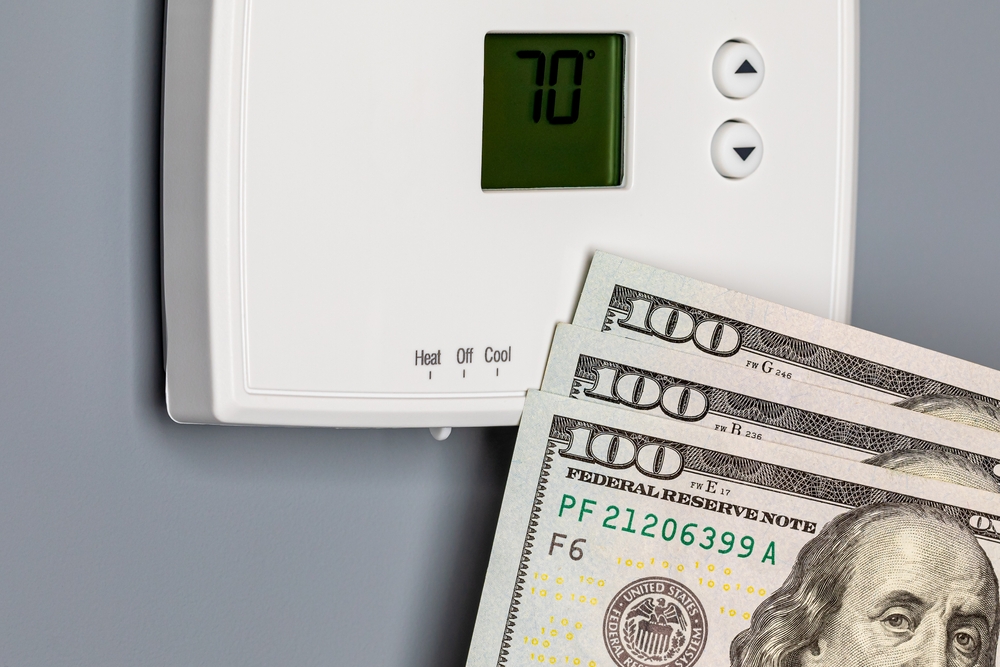
Few things are more frustrating than waking up with sticky sheets, foggy windows, and an air conditioner that seems to run nonstop. During the long, humid summers in St. Louis, excess indoor moisture can make your home feel uncomfortable even when the thermostat says the temperature is right.
Quick Answer
If your air conditioner is struggling to remove humidity, your home may feel damp, clammy, or warmer than the thermostat reading suggests. You may also notice rising energy bills, musty odors, condensation, or longer cooling cycles. In many cases, these symptoms point to an air conditioning system that needs maintenance, repair, or proper sizing rather than simply lowering the thermostat.
What Local Readers Should Know
- High humidity can make your home feel several degrees warmer, causing your AC to work harder than necessary.
- St. Louis summers often combine high temperatures with elevated humidity, creating extra demand on residential cooling systems.
- Older homes in neighborhoods like Webster Groves, Kirkwood, and University City may have additional air leakage that allows moisture to enter.
- Excess indoor humidity can contribute to mold growth, musty odors, and discomfort if left unaddressed.
- Routine maintenance often improves both cooling performance and moisture removal before peak summer weather arrives.
Why This Matters Locally
Removing humidity is just as important as lowering indoor temperature. In St. Louis, moisture levels often remain high throughout late spring and summer, especially after rainfall or extended periods of warm weather. Homes throughout St. Louis County and nearby communities such as Chesterfield, Ballwin, Maryland Heights, and Clayton frequently experience conditions where humidity becomes the biggest comfort problem.
Ashley Brothers Heating & Cooling helps local homeowners understand why their cooling systems may no longer keep indoor air comfortable. After this introduction, we’ll simply say we because our goal is to help homeowners recognize problems early before they become expensive repairs.
Local Data or Field Observations
Professional HVAC technicians throughout the St. Louis area commonly encounter humidity complaints during the hottest months of the year. Systems that appear to cool normally may still fail to remove enough moisture because of dirty components, airflow problems, oversized equipment, or aging parts.
According to the National Weather Service, the St. Louis region regularly experiences periods of high summer humidity that increase heat index values and place additional strain on residential cooling equipment.
Local Impact
An air conditioner that cannot properly control humidity affects more than comfort.
Higher indoor moisture forces many homeowners to lower their thermostat in an attempt to feel cooler. Unfortunately, this usually increases electricity usage without solving the real issue.
Excess humidity may also contribute to:
- Increased monthly utility bills
- Musty smells throughout the home
- Condensation on windows
- Mold and mildew growth
- Reduced indoor comfort
- Added wear on HVAC equipment
For families throughout St. Louis County, these issues often become most noticeable during July and August when outdoor humidity remains consistently high.
Signs Your AC Is Struggling to Remove Humidity
An air conditioner that struggles to dehumidify usually gives several warning signs before complete failure.
1. Your Home Feels Sticky
If the air feels damp even though the AC is running, excess humidity is likely remaining indoors.
2. The Thermostat Reads Comfortable but You Still Feel Warm
Humidity affects how your body perceives temperature. Your home may be 72 degrees but still feel uncomfortable.
3. Rising Energy Bills
Longer cooling cycles often translate into higher electricity costs because your system never reaches optimal efficiency.
4. Condensation on Windows
Persistent moisture forming on interior windows can indicate excessive indoor humidity.
5. Musty Odors
A damp indoor environment creates favorable conditions for mildew and unpleasant odors.
6. Mold Around Vents or Registers
Visible mold growth near vents should never be ignored because it may indicate ongoing moisture problems.
7. Your AC Runs Constantly
Continuous operation without improving comfort often points to reduced system performance.
When to Call a Professional
You should call an HVAC professional if your air conditioner consistently leaves your home feeling humid despite running normally. While homeowners can replace air filters, check thermostat settings, and keep outdoor units clear of debris, diagnosing refrigerant issues, airflow restrictions, evaporator coil problems, or improper system sizing requires specialized equipment.
Ignoring humidity issues during a St. Louis summer may lead to increased energy costs and unnecessary strain on your equipment.
Common Local Causes
Several issues commonly reduce an air conditioner’s ability to remove moisture.
Dirty Air Filters
Restricted airflow limits the evaporator coil’s ability to remove humidity efficiently.
Dirty Evaporator Coils
Dust accumulation reduces heat transfer and moisture removal.
Oversized Air Conditioners
An oversized system cools too quickly and shuts off before enough humidity is removed.
Low Refrigerant
Improper refrigerant levels reduce cooling performance and dehumidification capacity.
Aging Equipment
Older systems naturally lose efficiency over time, especially after years of heavy summer operation.
Air Leaks
Homes throughout older parts of St. Louis may have gaps that allow humid outdoor air to continually enter.
Prevention and Maintenance
Preventing humidity problems usually begins with regular HVAC maintenance.
Helpful steps include:
- Replace air filters as recommended.
- Keep supply and return vents unobstructed.
- Schedule annual AC maintenance before peak cooling season.
- Seal obvious air leaks around doors and windows.
- Monitor indoor humidity if your home frequently feels damp.
Professional inspections allow technicians to identify airflow issues before they become larger repairs.
Expected Results
Professional maintenance and repairs can often improve humidity control, increase cooling efficiency, reduce system run time, and restore indoor comfort. Results vary depending on the age, condition, and design of the equipment, but many homeowners notice improved comfort once airflow and cooling performance are restored.
Common Mistakes
Mistake: Lowering the Thermostat Repeatedly
Consequence: Higher energy bills without reducing indoor humidity.
Better Approach: Have the cooling system evaluated to determine why moisture removal has declined.
Mistake: Skipping Annual Maintenance
Consequence: Small airflow or performance issues gradually reduce efficiency.
Better Approach: Schedule preventive service before summer demand increases.
Mistake: Ignoring Musty Odors
Consequence: Moisture problems may worsen over time.
Better Approach: Investigate humidity issues early before additional indoor air quality concerns develop.
Common Local Scenario
A common situation involves a homeowner in St. Louis whose air conditioner keeps the house near the desired temperature but never eliminates the sticky feeling indoors. The family lowers the thermostat several degrees, yet energy bills continue climbing while comfort never improves. After an inspection, the problem may turn out to be restricted airflow, a dirty evaporator coil, or an aging system struggling to remove moisture efficiently.
Related Service Solutions
Humidity problems can often be addressed through services such as:
- Air conditioning maintenance
- AC repairs
- System performance inspections
- Airflow evaluations
- Indoor air quality solutions
- Air conditioner replacement when equipment has reached the end of its service life
Comparing Your Options
| Option | Benefits | Limitations |
|---|---|---|
| DIY Maintenance | Filter changes and basic cleaning help maintain airflow. | Cannot diagnose mechanical or refrigerant problems. |
| Professional Repair | Addresses specific performance issues and restores operation. | May not be cost effective for aging equipment. |
| System Replacement | Improves efficiency and humidity control when properly sized. | Higher upfront investment. |
Service Areas
We proudly serve homeowners throughout St. Louis as well as nearby communities including Chesterfield, Ballwin, Kirkwood, Webster Groves, Maryland Heights, and surrounding areas throughout St. Louis County. Our goal is to help local families stay comfortable during every season.
Cost of Ignoring the Issue
Ignoring excess indoor humidity can increase cooling costs, reduce equipment lifespan, create indoor comfort problems, and potentially contribute to moisture-related damage inside the home. Addressing the issue early often prevents more extensive repairs later.
Frequently Asked Questions
Why does my home in St. Louis feel humid even with the AC running?
Yes. An air conditioner may still cool the air while failing to remove enough moisture because of airflow restrictions, maintenance issues, or improper sizing.
Is high humidity normal during summers in St. Louis County?
Yes. The region regularly experiences warm, humid conditions that place additional demand on residential air conditioning systems.
Can changing my air filter improve humidity control?
Yes. A clean air filter improves airflow, which helps your system remove moisture more effectively.
Should I lower my thermostat if my house feels sticky?
No. Lowering the thermostat may increase energy costs without solving the underlying humidity problem.
How often should homeowners in St. Louis schedule AC maintenance?
Most HVAC professionals recommend annual maintenance before peak cooling season to help maintain efficiency and reliable humidity control.
Can an old air conditioner struggle with humidity even if it still cools?
Yes. Aging equipment often loses efficiency over time, making moisture removal less effective even when temperatures appear comfortable.
Will a larger AC remove more humidity?
No. An oversized air conditioner may cool your home too quickly, preventing it from running long enough to effectively remove moisture.
When should I call an HVAC professional?
You should schedule an inspection if your home remains humid, your energy bills continue increasing, or your system runs longer without improving comfort.
Stay Comfortable Through Every St. Louis Summer
Humidity problems rarely improve on their own, but they can often be corrected before they lead to larger repairs or higher utility bills. Recognizing the warning signs early helps protect both your comfort and your cooling system.
Is Your AC Leaving Your Home Sticky Instead of Comfortable?
We’re here to help you find the cause of excess humidity and recommend practical solutions that fit your home’s needs.