As the temperatures begin to drop, ensuring your home’s heating system is in top condition becomes a priority. Preparing your furnace for the colder months not only ensures consistent warmth but also prevents unexpected breakdowns that can be costly and uncomfortable. This blog dives into the importance of furnace cleaning and maintenance before winter, with insights tailored for residents in St. Louis and Jefferson County.
Why Furnace Maintenance Is Essential
Neglecting your furnace can lead to decreased efficiency, higher energy bills, and even potential safety risks. Here’s why scheduling furnace cleaning services in St. Louis and surrounding areas is crucial:
Energy Efficiency: A clean furnace operates more efficiently, reducing energy consumption and lowering utility bills.
Prolonged Lifespan: Regular maintenance helps identify and fix small issues before they escalate, prolonging the life of your system.
Improved Air Quality: Dust, dirt, and debris in your furnace can circulate throughout your home, affecting indoor air quality.
Safety Assurance: A poorly maintained furnace can pose risks such as carbon monoxide leaks or even fires.
The Basics of Furnace Maintenance
Before winter arrives, your furnace needs a thorough inspection and cleaning. Whether you choose professional services or prefer a DIY approach, certain tasks should not be overlooked.
Inspecting the Furnace
A visual inspection can reveal signs of wear and tear. Look for:
Cracks in the heat exchanger
Dirt or debris on the burners
Corrosion or rust in key components
Cleaning Components
Dirt and debris buildup can reduce efficiency and potentially damage your furnace. Key areas to clean include:
Filters: Replace or clean filters monthly during heavy use.
Blower: Dust buildup on the blower can strain the motor.
Burners: Dirty burners can cause uneven heating or incomplete combustion.
Checking the Thermostat
Ensure your thermostat is functioning properly. Calibrate it to accurately read the indoor temperature and respond to settings effectively.
Benefits of Hiring Professionals
While some aspects of furnace maintenance can be handled by homeowners, others require the expertise of professionals. Scheduling furnace cleaning services in St. Louis ensures your system receives a comprehensive checkup.
Expert Inspections
Professional technicians are trained to spot hidden problems. They use specialized tools to examine components such as:
Heat exchangers
Pilot lights or ignition systems
Ventilation systems
Advanced Cleaning
DIY cleaning is often limited to visible components. Professionals, however, have access to tools and techniques for deeper cleaning. This ensures:
Removal of hidden debris
Prevention of future clogging
Optimization of overall performance
Safety and Peace of Mind
Hiring experts eliminates guesswork and ensures that your furnace operates safely and efficiently throughout winter. Opt for professional furnace care in Jefferson County for tailored solutions and top-notch service.
Winter HVAC Maintenance Tips
Preventative care doesn’t stop at furnace cleaning. Incorporating these winter HVAC maintenance tips will keep your heating system running smoothly:
1. Schedule Annual Maintenance
Make it a habit to schedule a professional inspection every year, ideally before the winter season starts.
2. Seal Air Leaks
Inspect your home for drafts around windows, doors, and vents. Proper insulation reduces strain on your furnace and helps maintain consistent indoor temperatures.
3. Test the Carbon Monoxide Detector
If your furnace burns gas, it’s vital to test and maintain your carbon monoxide detectors. Replace batteries and ensure they are in working condition.
4. Keep Vents Clear
Blocked vents restrict airflow and force your furnace to work harder. Ensure all supply and return vents are clear of furniture, rugs, or other obstructions.
5. Monitor Energy Bills
An unexplained spike in energy bills could indicate an issue with your furnace. Address this promptly to prevent further damage.
Signs Your Furnace Needs Immediate Attention
Even with regular maintenance, problems can arise. Watch for these warning signs that signal it’s time to call a professional:
Unusual Noises: Rattling, banging, or squealing sounds can indicate mechanical issues.
Uneven Heating: If some rooms remain cold despite adjustments, there may be airflow problems.
Frequent Cycling: A furnace that turns on and off frequently may have an issue with the thermostat or electrical components.
Foul Odors: A burning smell could mean dirt accumulation, while a gas-like odor requires immediate attention.
The Role of Professional Furnace Care in Jefferson County
For residents of Jefferson County, professional furnace care goes beyond routine cleaning. Companies specializing in local services understand the specific challenges of the area, such as:
Varying weather patterns that demand optimal furnace performance
Common household heating systems in the region
Compliance with local regulations and safety standards
Choosing a reputable service provider ensures a customized approach to your home’s heating needs.
How to Choose the Right Furnace Cleaning Services in St. Louis
Selecting a reliable HVAC service provider can be overwhelming. Here’s how to ensure you make the right choice:
Research and Reviews
Look for companies with excellent reviews and ratings. Recommendations from friends and family can also guide your decision.
Licensing and Certification
Ensure the provider has proper licensing and employs certified technicians with experience in winter HVAC maintenance tips.
Transparent Pricing
Reputable companies provide clear pricing for their services. Avoid providers who hesitate to offer upfront quotes.
Emergency Services
Winter emergencies can happen anytime. Opt for a provider that offers 24/7 support to address urgent issues.
Conclusion
Investing in furnace cleaning and maintenance before winter is a proactive step toward a comfortable, safe, and energy-efficient home. By scheduling furnace cleaning services in St. Louis or professional furnace care in Jefferson County, you can rest assured that your heating system will perform reliably when you need it most.
Don’t wait until the first cold snap to discover an issue with your furnace. Follow these winter HVAC maintenance tips, and prioritize professional care to keep your home cozy and secure all season long.
Need HVAC Services in St. Louis, MO?
Keep cool or stay warm with Ashley Brothers Heating & Cooling. Since 1999, Ashley Brothers have been providing residential and commercial services to the St. Louis and Jefferson County area. We specialize in the installation of new equipment, heating and cooling repair, and furnace cleaning. Craftsmanship is important, equipment choice is too. We work with only top brands like Amana, Goodman, York, and McLain. It is understandable that replacing or upgrading your equipment can be daunting. Ask us about financing. We repair all heating and cooling equipment brands. Heating and cooling repairs can happen at random, take advantage of our 24-hour emergency service. Call us today about your concerns.
Ensuring that your heating system is in top condition before winter arrives can save you from unexpected breakdowns and costly repairs. Recognizing early signs of trouble and addressing them with timely repairs is essential. Here’s what to watch for and when it’s time to contact heating system repair services.
The Importance of Early Heating System Maintenance
Winter’s harsh conditions put extra strain on your heating system. Proper furnace maintenance helps prolong the life of your system, maintain energy efficiency, and keep your family safe. Ignoring early signs of trouble could lead to more severe damage and higher repair costs.
Strange Noises Coming from the Furnace
One of the earliest signs of furnace failure is unusual sounds. It’s normal for furnaces to make a soft hum or low roar, but loud noises like banging, screeching, or rattling indicate a problem.
Banging: Often caused by dirty burners or delayed ignition. Left unchecked, it can cause further internal damage.
Screeching: A potential sign of an issue with the blower motor or a worn-out belt.
Rattling: Loose parts within the furnace could be causing this noise. Ignoring it can lead to more significant issues if the components aren’t tightened or repaired.
Increased Energy Bills Without Increased Usage
If your energy bills spike without an increase in usage, this could be due to an inefficient furnace. When internal components are worn out or dirty, your system works harder to maintain the desired temperature, leading to higher energy costs. Regular furnace maintenance tips include changing filters, cleaning components, and ensuring that airflow isn’t restricted, which can all contribute to smoother operation and lower costs.
Uneven Heating in Your Home
One of the most obvious signs that your heating system needs repair is uneven heating in different parts of your home. If some rooms are significantly colder than others, this can signal a few issues:
Clogged Air Filters: Restricted airflow from dirty filters can prevent warm air from circulating evenly.
Thermostat Malfunction: A malfunctioning thermostat may not detect the temperature correctly, leading to uneven heating.
Duct Issues: Leaks or obstructions in your ductwork can disrupt airflow to certain rooms, resulting in cold spots.
A Yellow Pilot Light
The pilot light on your furnace should always be a bright blue color. A yellow or orange pilot light may indicate incomplete combustion, which can be a sign of carbon monoxide presence. Carbon monoxide is a serious hazard, and if you notice a yellow pilot light, it’s crucial to turn off the furnace and contact a professional for an immediate inspection.
Frequent Cycling On and Off
If your furnace constantly cycles on and off without reaching the desired temperature, it may be struggling to keep up. Common causes for this include:
Dirty Air Filters: Blocked airflow can cause the system to overheat and shut down prematurely.
Thermostat Issues: A faulty thermostat can lead to inaccurate temperature readings, causing the system to cycle incorrectly.
Overheating: Sometimes, internal components can overheat, leading to safety shut-offs. This can be due to restricted airflow, dirt buildup, or mechanical failure.
Regular heating system repair services can help identify these issues early on, preventing damage to the furnace and avoiding expensive repairs down the line.
Unusual Smells
When you first turn on the heat at the start of the season, a slight dusty odor is normal as the system burns off dust accumulated over time. However, persistent or strange smells can indicate serious problems:
Burning Smell: Could mean the components are overheating or electrical issues, especially if the smell persists.
Rotten Egg Smell: This can signify a gas leak, which requires immediate action. Shut off your gas supply, leave the house, and contact a professional immediately.
Musty Smell: Often due to mold or mildew in your ductwork or on the furnace. Not only does this affect your indoor air quality, but it can also reduce system efficiency.
Poor Airflow from Vents
If you notice weak airflow from the vents, this is often an indication that your furnace or HVAC system isn’t working as efficiently as it should. This can be due to:
Clogged Filters: Dirty filters restrict airflow and can eventually lead to system overheating.
Blower Fan Issues: If the blower fan is not working correctly, it can’t circulate air effectively.
Ductwork Obstructions: Accumulated dust, debris, or even small animals can obstruct airflow in ducts, leading to reduced efficiency.
A simple fix may involve replacing air filters or clearing out ducts, but more serious issues with the blower fan may require professional repair services.
Thermostat Problems
Your thermostat is the “brain” of your heating system, and if it’s not working correctly, your furnace won’t operate at its best. Look out for these common thermostat issues:
Unresponsive Thermostat: If adjusting the thermostat doesn’t change the temperature, you may have an issue with the device’s connection to the furnace.
Incorrect Temperature Readings: This can cause your system to turn on or off at the wrong times, leading to inconsistent heating and higher energy bills.
Short-Cycling: Short-cycling is when the system turns on and off frequently, never reaching the desired temperature. This could be due to poor thermostat placement or a faulty thermostat.
The Furnace Blows Cold Air
One of the clearest signs of furnace failure is when the system starts blowing cold air instead of warm. Several potential issues could cause this problem:
Pilot Light Issues: If the pilot light is out, the furnace will not produce warm air.
Thermostat Setting: Ensure that your thermostat is set to the “auto” or “heat” mode rather than “fan.”
Blower Motor Problems: A faulty blower motor can fail to push warm air through the vents effectively.
If troubleshooting basic issues doesn’t help, it’s best to reach out to heating system repair services for a professional assessment.
Aging System
Finally, age is one of the primary indicators that your furnace might need attention. Most furnaces last 15 to 20 years with proper maintenance, but once they approach this age, they may start developing issues more frequently. As components age, they wear down and require more frequent repairs.While regular furnace maintenance tips help extend your furnace’s lifespan, if your unit is old and causing frequent issues, consider upgrading to a new, more energy-efficient model. This not only ensures more reliable heating but can also save you on energy costs in the long run.
Preventive Maintenance Tips to Avoid Winter Breakdowns
Preventive maintenance is key to keeping your heating system in optimal shape and avoiding unexpected breakdowns. Here are some furnace maintenance tips to follow:
Change Air Filters Regularly: Replace air filters every 1-3 months to ensure smooth airflow and reduce strain on the system.
Inspect the Thermostat: Ensure your thermostat is functioning correctly, and replace the batteries annually to avoid malfunctioning in the middle of winter.
Check for Obstructions Around the Furnace: Keep the area around your furnace clear of debris or clutter that can impede airflow.
Schedule an Annual Inspection: Before winter, schedule a professional inspection to identify and fix any issues early.
Clean Air Ducts and Vents: Regular duct cleaning improves airflow, energy efficiency, and indoor air quality.
Conclusion
Staying alert to early signs of heating system issues can save you from dealing with costly repairs and ensure a warm, comfortable winter. Whether it’s strange noises, inconsistent heating, or frequent cycling, these problems are often indicative of underlying issues that require prompt attention. Following furnace maintenance tips and contacting heating system repair services for annual inspections and repairs can help you stay prepared, avoid unexpected breakdowns, and enjoy an efficient heating system for years to come.
Need HVAC Services in St. Louis, MO?
Keep cool or stay warm with Ashley Brothers Heating & Cooling. Since 1999, Ashley Brothers have been providing residential and commercial services to the St. Louis and Jefferson County area. We specialize in the installation of new equipment, heating and cooling repair, and furnace cleaning. Craftsmanship is important, equipment choice is too. We work with only top brands like Amana, Goodman, York, and McLain. It is understandable that replacing or upgrading your equipment can be daunting. Ask us about financing. We repair all heating and cooling equipment brands. Heating and cooling repairs can happen at random, take advantage of our 24-hour emergency service. Call us today about your concerns.
As the temperatures rise and the summer season approaches, it may seem counterintuitive to think about maintaining your heater. However, taking the time to care for your heating system during the warmer months can help ensure that it remains in good working condition when the colder weather returns. In this blog, we will discuss how to maintain your heater during summer and why it is important to keep your system in top shape year-round.
Why It Is Important to Maintain a Heater During Summer
While your heater may not be in use during the summer months, regular maintenance is still important to ensure that it is ready to perform when needed. By taking steps to care for your heater during the off-season, you can help extend its lifespan, improve its efficiency, and avoid costly repairs down the line.
How to Care for a Heater During Summer
One of the first steps in maintaining your heater during summer is to clean or replace the air filters. Dirty filters can reduce the airflow through your system, causing it to work harder and less efficiently. By cleaning or replacing the filters regularly, you can improve the efficiency of your heater and help prevent breakdowns.
Another important aspect of caring for your heater during summer is to inspect and clean the ductwork. Over time, dust, debris, and other contaminants can build up in the ducts, reducing airflow and affecting the overall performance of your system. By having your ducts cleaned and inspected by a professional, you can improve the air quality in your home and ensure that your heater is working at its best.
Additionally, it is important to check the thermostat settings on your heater during summer. While you may not need to use your heater to heat your home, it is still important to make sure that the thermostat is set correctly and functioning properly. This can help prevent issues with your heater when you do need to use it in the fall and winter.
During the summer months, it is also a good idea to inspect the area around your heater for any signs of damage or wear. Check for leaks, rust, or other indicators that your system may need repairs or maintenance. By addressing any issues early on, you can prevent more serious problems from developing and ensure that your heater continues to operate efficiently.
Finally, consider scheduling a professional maintenance service for your heater during the summer. A trained technician can inspect your system, clean and lubricate moving parts, check for any potential issues, and make any necessary repairs or adjustments. By having your heater serviced by a professional, you can ensure that it is in good working condition and ready to keep you warm when the colder weather returns.
Summary
Maintaining your heater during summer is an important part of keeping your system in top shape year-round. By cleaning or replacing air filters, inspecting and cleaning ductwork, checking thermostat settings, inspecting for damage, and scheduling professional maintenance, you can help extend the lifespan of your heater, improve its efficiency, and avoid costly repairs. Taking the time to care for your heater during the off-season can help ensure that it is ready to perform when you need it most.
Need HVAC Services in St. Louis, MO?
Keep cool or stay warm with Ashley Brothers Heating & Cooling. Since 1999, Ashley Brothers have been providing residential and commercial services to the St. Louis and Jefferson County area. We specialize in the installation of new equipment, heating and cooling repair, and furnace cleaning. Craftsmanship is important, equipment choice is too. We work with only top brands like Amana, Goodman, York, and McLain. It is understandable that replacing or upgrading your equipment can be daunting. Ask us about financing. We repair all heating and cooling equipment brands. Heating and cooling repairs can happen at random, take advantage of our 24-hour emergency service. Call us today about your concerns.
As the temperatures start to drop and winter approaches, it’s essential to ensure your furnace is in optimal condition. Preparing your furnace for the cold season can not only improve its efficiency but also help you avoid unexpected breakdowns when you need it most. In this blog post, we will discuss some key steps to take in order to prepare your furnace for winter, ensuring a warm and cozy home during those chilly days and nights.
1. Schedule a Professional Inspection
The first step in preparing your furnace for winter is to schedule a professional inspection. A licensed HVAC technician will thoroughly examine your furnace, checking for any potential issues or necessary repairs. They will clean and lubricate essential components, ensuring maximum efficiency and optimal performance. This inspection will also help identify any safety concerns, such as carbon monoxide leaks, ensuring that your furnace operates safely throughout the winter months.
2. Change the Air Filters
Clean air filters are vital for the efficiency of your furnace. Over time, filters become clogged with dust, debris, and allergens, obstructing proper airflow and reducing heating efficiency. It is recommended to change your filters every 1-3 months, depending on the manufacturer’s instructions and the amount of dust and pet dander in your home. Installing fresh, clean filters will allow your furnace to operate more efficiently and keep the air in your home clean and healthy.
3. Inspect and Clean Air Vents and Ducts
Next, inspect and clean your air vents and ducts. Remove any obstructions, such as furniture or rugs, blocking the airflow. Vacuum the vents to remove dust and debris, ensuring optimal air circulation. If you notice excessive dust buildup or mold growth in your ductwork, it may be time to schedule a professional duct cleaning service. This will not only improve your furnace’s efficiency but also enhance your indoor air quality, reducing allergens and promoting healthy respiratory function.
4. Check and Reset Your Thermostat
Ensure that your thermostat is functioning correctly by testing it before winter arrives. Set the temperature to a higher setting to ensure that your furnace starts and runs smoothly. If your thermostat is outdated or malfunctioning, consider upgrading to a programmable thermostat. These modern thermostats allow you to set different temperature schedules, saving energy when you’re away from home and ensuring optimal comfort when you return.
5. Clean Around Your Furnace
Take some time to clean the area around your furnace. Remove any clutter or debris that could obstruct airflow or pose a fire hazard. Ensure that no flammable items such as paper, cardboard, or chemicals are stored near your furnace. Keeping the area around your furnace clean and clear will help it operate safely and efficiently throughout the winter season.
6. Test Your Carbon Monoxide Detectors
Safety should always be a top priority when it comes to your home heating system. Carbon monoxide is an odorless and colorless gas that can be produced by malfunctioning furnaces, posing a serious health risk. Ensure that you have working carbon monoxide detectors installed near your furnace area and throughout your home. Test the detectors and replace the batteries if necessary. If your detectors are older than five years, consider replacing them to ensure optimal performance.
7. Stock Up on Fuel and Schedule Deliveries
If your furnace runs on fuel such as oil or propane, make sure you have an adequate supply for the upcoming winter season. Contact your fuel provider to schedule deliveries, ensuring that you won’t run out of fuel during the coldest days. It’s always advisable to have a backup supply of fuel in case unexpected circumstances prevent timely deliveries.
Summary
By following these steps to prepare your furnace for winter, you can ensure that your heating system operates efficiently and safely throughout the cold season. Regular maintenance, inspections, and cleaning will not only prolong the lifespan of your furnace but also provide you with a warm and comfortable home during those chilly winter months. Stay cozy and stress-free by taking care of your furnace before the cold weather arrives!
Need HVAC Services in St. Louis, MO?
Keep cool or stay warm with Ashley Brothers Heating & Cooling. Since 1999, Ashley Brothers have been providing residential and commercial services to the St. Louis and Jefferson County area. We specialize in the installation of new equipment, heating and cooling repair, and furnace cleaning. Craftsmanship is important, equipment choice is too. We work with only top brands like Amana, Goodman, York, and McLain. It is understandable that replacing or upgrading your equipment can be daunting. Ask us about financing. We repair all heating and cooling equipment brands. Heating and cooling repairs can happen at random, take advantage of our 24-hour emergency service. Call us today about your concerns.
The cold winter months can be brutal, especially if your furnace isn’t functioning optimally. It’s essential to pay attention to any signs that your furnace may be on its way out, as a malfunctioning furnace can not only leave you uncomfortable but also pose safety risks. In this blog post, we’ll discuss some common signs that indicate your furnace may be going out, helping you address the issue before it becomes a major problem.
1. Inconsistent Heating
If you notice that certain areas of your home are noticeably colder than others, or if you find yourself constantly adjusting the thermostat to maintain a comfortable temperature, it could be a sign that your furnace is starting to fail. A faltering furnace may struggle to distribute heat evenly throughout your home, resulting in cold spots and discomfort. Don’t ignore these temperature inconsistencies, as they could indicate underlying issues with your furnace that need attention.
2. Unusual Noises
While it’s normal for your furnace to make some noise when it kicks on or shuts off, excessively loud or uncommon noises could be a sign of trouble. Banging, rattling, grinding, or squealing sounds coming from your furnace should never be ignored. These noises could indicate loose or damaged parts, a worn-out motor, or even a cracked heat exchanger. It’s crucial to address these issues promptly to prevent further damage and ensure the longevity of your furnace.
3. Increased Energy Bills
If you’ve noticed a significant spike in your energy bills without any corresponding increase in usage, it’s worth investigating whether your furnace is to blame. When a furnace starts to malfunction or becomes inefficient, it often requires more energy to operate properly. This increased energy consumption can lead to higher heating costs. Keep an eye on your energy bills and look for patterns of unexplained increases. If your bills are consistently higher than usual, it may be time to have your furnace inspected.
4. Frequent Repairs
Have you found yourself calling a technician for furnace repairs more often than you’d like? Frequent breakdowns and repairs are a clear sign that your furnace is struggling and may be nearing the end of its lifespan. While routine maintenance and occasional repairs are normal, an aging furnace that requires constant attention can be a significant inconvenience and drain on your finances. In such cases, it’s worth considering the cost-effectiveness of continuous repairs versus investing in a new, more reliable furnace.
5. Yellow or Flickering Pilot Light
If your furnace operates on natural gas, pay close attention to the color and stability of the pilot light. A healthy pilot light should burn blue, indicating that it is receiving the right balance of oxygen and gas. A yellow or flickering pilot light could signify a potentially dangerous situation, such as a gas leak or carbon monoxide imbalance. Carbon monoxide is a colorless and odorless gas that can be extremely harmful, even fatal, if not detected and addressed promptly. If you notice a yellow or flickering pilot light, turn off your furnace immediately and contact a qualified technician to assess the situation.
6. Age of the Furnace
Lastly, the age of your furnace is an essential factor to consider. On average, furnaces have a lifespan of around 15 to 20 years. If your furnace is approaching or has exceeded this age range, it’s more likely to experience issues and deteriorate in performance. Even if you haven’t noticed any specific signs of trouble, it may be wise to proactively replace your aging furnace before it fails entirely. Regular maintenance can help extend the life of your furnace, but eventually, the wear and tear will take its toll.
Conclusion
It’s important not to overlook any signs that your furnace may be going out. Inconsistent heating, unusual noises, increased energy bills, frequent repairs, a yellow or flickering pilot light, and the age of your furnace are all indicators that something may be wrong. If you observe any of these signs, it’s advisable to contact a professional HVAC technician to evaluate your furnace’s condition and recommend the appropriate steps to keep your home warm and safe throughout the winter months.
Got Questions? Let Us Help!
Keep cool or stay warm with Ashley Brothers Heating & Cooling. Since 1999, Ashley Brothers have been providing residential and commercial services to the St. Louis and Jefferson County area. We specialize in the installation of new equipment, heating and cooling repair, and furnace cleaning. Craftsmanship is important, equipment choice is too. We work with only top brands like Amana, Goodman, York, and McLain. It is understandable that replacing or upgrading your equipment can be daunting. Ask us about financing. We repair all heating and cooling equipment brands. Heating and cooling repairs can happen at random, take advantage of our 24-hour emergency service. Call us today about your concerns.




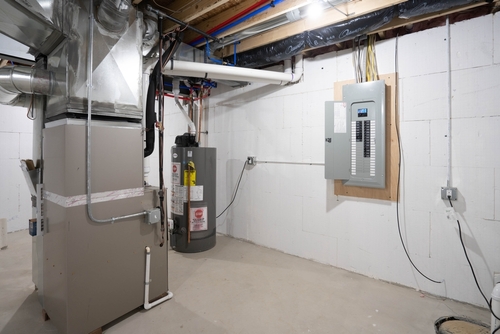
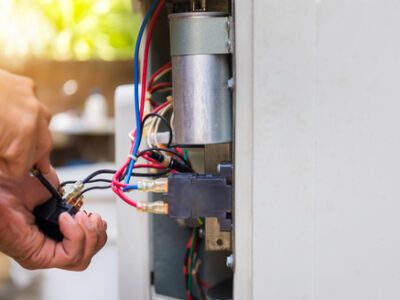 The cold winter months can be brutal, especially if your furnace isn’t functioning optimally. It’s essential to pay attention to any signs that your furnace may be on its way out, as a malfunctioning furnace can not only leave you uncomfortable but also pose safety risks. In this blog post, we’ll discuss some common signs that indicate your furnace may be going out, helping you address the issue before it becomes a major problem.