St. Louis HVAC Lifespan: How Long Do HVAC Systems Last?
If your furnace just made it through another January cold snap or your air conditioner struggled to keep up during a July heat wave, you’re probably wondering how much life your HVAC system actually has left. St. Louis weather doesn’t do mild. Our summers push into the mid-90s with brutal humidity off the rivers, and our winters swing hard the other direction, and that constant back-and-forth wears equipment down faster than manufacturers’ national averages suggest. At Ashley Brothers Heating & Cooling, we get asked almost daily about St. Louis HVAC lifespan, whether it’s time to repair or replace, and the honest answer depends on more than just age.

Average HVAC Equipment Lifespan in St. Louis

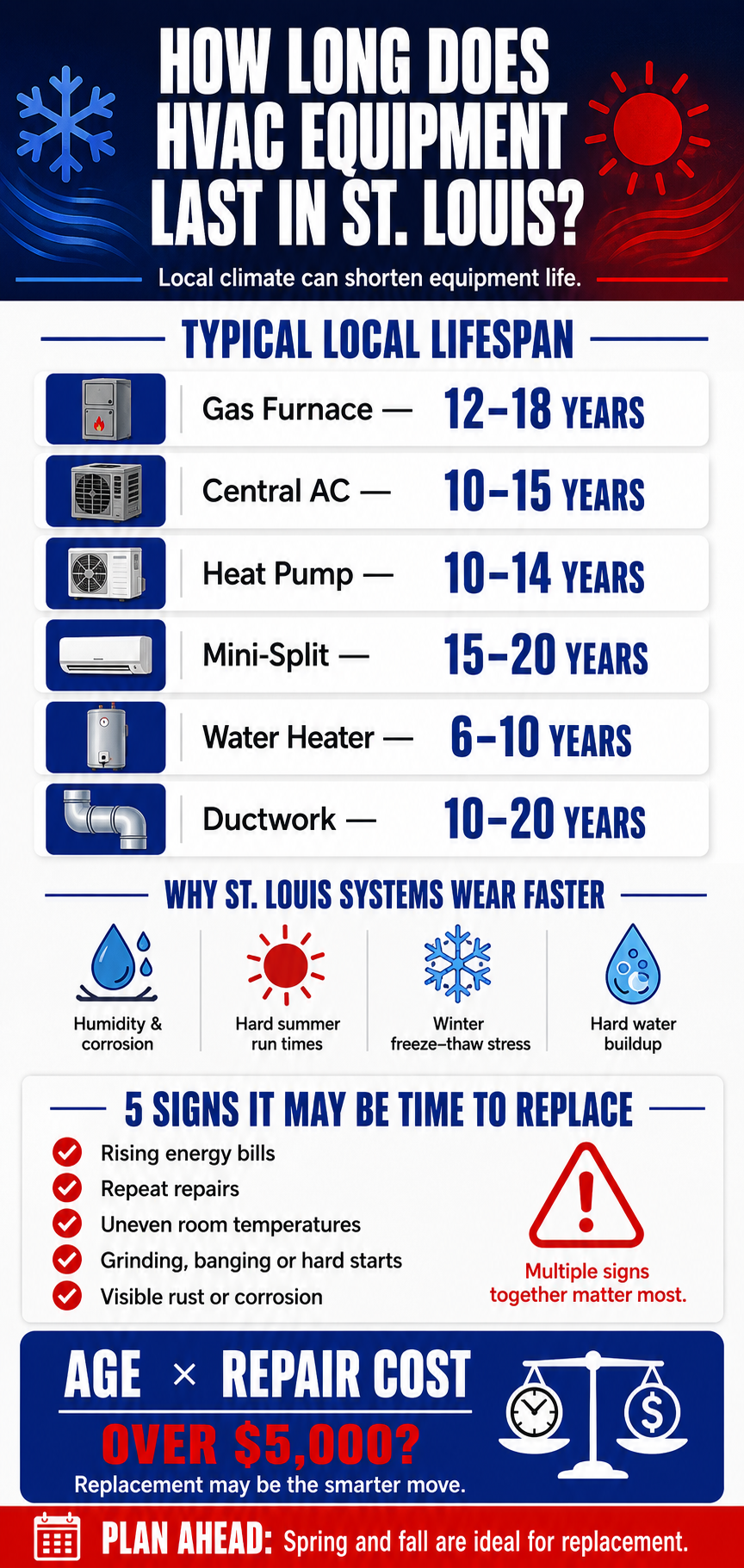
Equipment Type National Average Lifespan Typical St. Louis Lifespan Why the Difference
Furnace (gas) 15-20 years 12-18 years Extra winter cycling and humidity-related corrosion
Central Air Conditioner 15-20 years 10-15 years Long, humid cooling season pushes compressors harder
Heat Pump 15 years 10-14 years Runs year-round in our swing climate, more wear
Ductless Mini-Split 20 years 15-20 years Less affected by ductwork and humidity issues
Water Heater 8-12 years 6-10 years Hard water from municipal supply accelerates tank wear
Ductwork 15-20 years 10-20 years Older St. Louis homes often have leaky or undersized ducts

How Long Does HVAC Equipment Last in St. Louis?

HVAC equipment in St. Louis typically lasts several years less than the national average because of our humid continental climate and its dramatic seasonal swings. A furnace that might run 18-20 years in a milder climate often needs replacing closer to 12-15 years here, and central air conditioners frequently show real wear by year 10 rather than year 15. We’ve found that the region’s combination of high summer humidity, hard freezes, and older housing stock is the biggest factor separating St. Louis lifespans from the numbers printed on a manufacturer’s brochure.
HVAC lifespan guide for St. Louis, MO homeowners

Why Does St. Louis Weather Shorten HVAC Lifespan?

St. Louis weather shortens HVAC lifespan because equipment here rarely gets a break. According to the National Weather Service’s St. Louis climatology summary, the region sits at the meeting point of the Mississippi and Missouri Rivers and regularly pulls in warm, humid air from the Gulf each summer, with temperatures of 90 degrees or higher on roughly 35 to 40 days a year. That kind of sustained heat and humidity forces air conditioners to run long, hard cycles for months at a time, while winter cold snaps keep furnaces working overtime. That constant demand, with almost no shoulder season for equipment to rest, adds up to more wear per calendar year than a system installed in a milder region ever sees.

Humidity is the quieter culprit. Moisture in the air accelerates corrosion on coils, electrical connections, and heat exchangers. We routinely see condensers in St. Louis backyards showing rust and coil degradation years before a similar unit would in a drier climate. Add in the hard water common across St. Louis County and the city, and it’s easy to see why local lifespans run shorter. Missouri American Water’s St. Louis region water quality report lists total hardness in the 4 to 13 grains per gallon range, mineral levels that build scale inside water heaters and can affect humidifiers tied into HVAC systems over time.

What Are the Warning Signs an HVAC System Needs Replacement?

The clearest warning signs that an HVAC system needs replacement are rising energy bills, frequent repairs, uneven temperatures between rooms, and a system that’s simply aging out. Any one of these on its own might just mean a repair, but two or three together usually point toward replacement being the smarter long-term move.

Watch for these specific signs in your St. Louis home:

  • Energy bills climbing year over year even though usage habits haven’t changed
  • Repair calls happening more than once a season, especially during peak summer or winter stretches
  • Rooms that never quite match the thermostat setting, particularly upstairs bedrooms in older two-story homes
  • Strange noises like grinding, banging, or a compressor that struggles to start
  • Visible rust or corrosion on the outdoor condenser or indoor coil
  • A system over 12 years old that’s using R-22 refrigerant, which is being phased out and getting expensive to source
  • Humidity control that feels off, with a home that’s clammy in summer despite the AC running

If you’re seeing several of these at once, waiting it out usually means paying for one more repair before an even bigger failure hits during the worst possible week of summer or winter.

When Should You Call a Professional Instead of Waiting?

You should call a professional as soon as you notice a system struggling to keep up, making unusual noises, or requiring repeat repairs within the same season. Some maintenance is fine to handle yourself. ENERGY STAR’s maintenance checklist recommends inspecting or changing air filters monthly and keeping the area around outdoor units clear, both easy habits during peak season here, especially once overgrown grass and yard debris pile up in St. Louis backyards by midsummer.

Anything involving refrigerant, electrical components, gas connections, or a system that’s short-cycling needs a trained technician. St. Louis’s humidity and temperature extremes mean small issues escalate faster here than in milder climates, so a strange smell or sound is worth a call sooner rather than later.

Not sure if your system needs a look? Schedule An Inspection with our team today.

Schedule an HVAC Inspection

What Are the Most Common Causes of Early HVAC Failure in St. Louis?

The most common causes of early HVAC failure in St. Louis are oversized cooling loads from humidity, deferred maintenance, aging ductwork in older homes, and hard water damage to water heaters and humidifiers. Ranked by how often we see them in the field:

  1. Humidity overload on the AC system. Units working overtime to dehumidify as well as cool wear out compressors faster.
  2. Skipped maintenance. A missed spring tune-up before a brutal summer often turns a $200 fix into a $2,000 failure.
  3. Aging ductwork. Many homes across St. Louis City and the surrounding county were built decades before modern duct sealing standards, leading to air loss and uneven strain on the system.
  4. Hard water buildup. Sediment in water heaters and steam humidifiers shortens their working life significantly.
  5. Freeze-thaw stress on outdoor units. Winter ice buildup followed by rapid spring thawing can crack components over time.

How Can You Prevent Early HVAC Breakdown?

You can prevent early HVAC breakdown with seasonal maintenance timed to St. Louis’s climate, specifically a spring AC tune-up before the humidity hits and a fall furnace check before the first hard freeze. Change filters every one to three months, more often if you have pets or live near high-traffic roads where dust and pollen build up quickly.

Keep outdoor condensers clear of leaves, grass clippings, and the cottonwood fluff that blankets yards across the region every spring. Indoors, make sure vents aren’t blocked by furniture, and consider a whole-home dehumidifier if your basement or lower level stays damp, which is common in older St. Louis homes with less-than-ideal grading. These small habits genuinely extend equipment life by several years when done consistently.

Seasonal HVAC Maintenance Checklist for St. Louis Homes

A season-by-season maintenance schedule keeps St. Louis systems running longer by matching upkeep to the specific stress each season puts on the equipment. Use this as a quick reference for what to check and when.

Season Key Task Why It Matters Locally
Spring Professional AC tune-up and coil inspection Gets the system ready before Gulf humidity and 90-degree days set in
Summer Check filters monthly, clear condenser of debris Long, humid cooling season means the AC rarely gets a break
Fall Furnace inspection, heat exchanger check Catches issues before the first hard freeze hits the region
Winter Monitor for ice buildup on outdoor units, check carbon monoxide detectors Freeze-thaw cycles and heavy furnace use raise the stakes

What Results Can You Expect From Timely Replacement?

Timely replacement of aging HVAC equipment typically delivers 15-30% lower energy bills, more even temperatures throughout the home, and fewer emergency repair calls during peak season. Modern energy-efficient HVAC systems in St. Louis are built to handle humidity more efficiently than units from a decade or two ago, which matters enormously in a climate like ours.

Homeowners who replace before a full breakdown also avoid the worst-case scenario: a dead AC during a 95-degree St. Louis heat wave or a failed furnace during a January cold snap, both of which come with rushed decisions and premium emergency pricing.

Common Mistakes Homeowners Make With Aging HVAC Systems

One common mistake is repairing an aging system indefinitely instead of comparing the cumulative repair cost to a replacement. If repairs in a single year approach a third of replacement cost, that money is usually better spent moving forward. Another mistake is ignoring proper sizing during replacement. An oversized system cools too fast without managing our region’s humidity, leaving homes feeling clammy despite a comfortable temperature reading. Skipping ductwork inspection during a system swap is a third common misstep, since a brand new furnace or AC connected to leaky, decades-old ducts across St. Louis’s older housing stock will underperform no matter how efficient the unit itself is.

A Common Local Scenario

We frequently see this pattern in South City and older St. Louis County neighborhoods: a homeowner has a 16-year-old furnace and matching AC system, both original to the house. The furnace still runs but the AC has needed two repairs in the past two summers, and the electric bill has crept up noticeably. After an inspection, we typically find the coil corroded from years of humidity exposure and the ductwork undersized for the home’s square footage. Replacing both systems together, sized correctly for the home, usually resolves the comfort complaints and brings the energy bill back down within the first full season.

How Do Repair and Replacement Compare for Older Systems?

Repairing makes sense when the system is under 10 years old and the repair cost is modest, while replacing makes more sense once a system passes 12-15 years or repair costs start stacking up. A helpful rule we use with St. Louis homeowners: multiply the age of the unit by the repair cost. If that number exceeds 5,000, replacement is usually the better financial move.

Weighing repair versus replacement? Get A Free Estimate before deciding.

Free HVAC Estimate

What Does It Cost to Ignore an Aging HVAC System?

Ignoring an aging HVAC system in St. Louis typically leads to higher energy bills, a greater risk of mid-season breakdown, and the possibility of secondary damage like water leaks from a failing condensate line or reduced air quality from a struggling system. The longer replacement is delayed past the 12-15 year mark, the more likely a failure happens during peak heat or cold, which also tends to mean longer wait times for emergency service across the region.

Don’t wait for a breakdown. Book Your Replacement Consultation now and get ahead of the season.

Frequently Asked Questions

How long do furnaces last in St. Louis?

Furnaces in St. Louis typically last 12-18 years, somewhat shorter than the national average due to the demanding winter cycling our climate requires.

How long do air conditioners last in St. Louis?

Air conditioners in the St. Louis area generally last 10-15 years, with humidity-driven compressor wear being the main factor shortening lifespan compared to drier climates.

Is it cheaper to repair or replace an HVAC system?

Repair is typically cheaper for systems under 10 years old with isolated issues, while replacement becomes more cost-effective once a system passes the 12-15 year mark or repair costs climb toward half the price of a new unit.

What time of year is best to replace HVAC equipment in St. Louis?

Spring and fall are ideal, since scheduling ahead of the summer humidity or winter cold avoids emergency pricing and long wait times during peak-demand months.

Does humidity really affect HVAC lifespan?

Yes. St. Louis’s humid summers accelerate corrosion on coils and electrical components, which is a major reason local lifespans run shorter than national averages.

Can I extend my HVAC system’s life with maintenance alone?

Regular seasonal maintenance can add several years to a system’s working life, but it can’t fully offset the natural wear caused by age and our region’s demanding climate.

Should I replace my furnace and AC at the same time?

If both units are close in age, replacing them together often makes sense, since matched systems perform more efficiently and you avoid paying for labor twice in a short span.

Ready to Plan Ahead?

Whether your system is showing early warning signs or you’re just trying to plan for the years ahead, Ashley Brothers Heating & Cooling is happy to walk through what makes sense for your home and your budget. St. Louis weather doesn’t give HVAC equipment an easy ride, and knowing where your system stands now means fewer surprises later.
Book an HVAC Assessment in St. Louis

Serving St. Louis Since 1999: Why Local Roots Matter for Your Home’s Comfort

When you need heating and cooling services in St. Louis, you want a company that understands your climate, knows your neighborhood, and has a track record of reliable service. That’s exactly what you get when you choose Ashley Brothers Heating & Cooling. For over two decades, we’ve been the trusted partner for homeowners and business owners throughout the St. Louis area, including communities like Kirkwood and Webster Groves. Our commitment to excellence, local expertise, and customer satisfaction has made us one of the best HVAC company options in the region.

Building Trust Through 25 Years of Service

When you work with Ashley Brothers Heating & Cooling, you’re partnering with a business that has earned its reputation the old-fashioned way: through consistent quality, honest service, and genuine care for our customers. Since 1999, we’ve been serving St. Louis families and businesses with the same dedication that made us successful from day one. That’s nearly 25 years of experience installing, maintaining, and repairing heating and cooling systems in homes and commercial buildings throughout the St. Louis metropolitan area.

Local heating and cooling matters more than many people realize. A company that’s been rooted in St. Louis for decades understands the unique climate challenges we face. Our summers are hot and humid, demanding reliable air conditioning systems that can handle extended periods of heavy use. Our winters can be unpredictable, with temperature swings that stress heating systems. We’ve weathered these seasons alongside our customers, learning exactly what works best for St. Louis homes and businesses. This deep local knowledge means we can recommend solutions that are specifically suited to our climate and your needs.

Our longevity in the community isn’t just a number; it represents thousands of satisfied customers who have trusted us with their comfort. Many of our clients have been with us for years, some since the very beginning of our business. That loyalty speaks volumes about the quality of our HVAC services and the relationships we build with the people we serve.

Expert HVAC Services for Every Season

At Ashley Brothers Heating & Cooling, we offer comprehensive HVAC services designed to keep your home comfortable year-round. Our expertise covers everything from emergency repairs to complete system installations, ensuring that whether you’re facing an unexpected breakdown or planning an upgrade, we have the solution you need.

Our AC repair services are available whenever you need them. When your air conditioning system fails during a scorching St. Louis summer, you need fast, reliable help. We respond quickly to emergency calls and have the knowledge to diagnose and fix cooling problems efficiently. Whether it’s a refrigerant leak, a faulty compressor, or a malfunctioning thermostat, our technicians can identify the issue and get your system running again.

Heating repair is equally important during our cold months. A broken furnace in winter can be more than just uncomfortable; it can be dangerous. We provide rapid response heating repair services to get your system back online when you need it most. Our technicians understand all types of heating systems and can handle repairs for furnaces, heat pumps, and other heating equipment.

For those looking to upgrade their systems, we specialize in furnace installation and the installation of energy-efficient HVAC systems. If your current system is aging, inefficient, or requires frequent repairs, we can help you select and install a new system that will provide better performance and lower energy bills. We work exclusively with top-quality brands including Amana, Goodman, York, and McLain, ensuring that whatever system we install will deliver years of reliable service.

Why We Partner with the Best Brands

Choosing the right equipment is crucial for long-term comfort and reliability. That’s why Ashley Brothers Heating & Cooling works with industry-leading manufacturers like Amana, Goodman, York, and McLain. These brands have earned their reputations through consistent quality, innovative technology, and dependable performance. When we install a system from one of these manufacturers, we’re giving you equipment that’s built to last.

We don’t just install equipment and leave; we stand behind what we install. Our technicians are trained and certified to work with these premium brands, and we maintain service relationships with manufacturers to ensure you get the best support possible. Whether you need maintenance, repairs, or warranty service, we’re here to help. By choosing a best HVAC company that partners with quality manufacturers, you’re investing in a system that will provide comfort and reliability for years to come.

24/7 Emergency Services When You Need Us Most

HVAC emergencies don’t happen on a convenient schedule. Your furnace might fail on a freezing night in January, or your air conditioner might stop working during the hottest day of summer. That’s why Ashley Brothers Heating & Cooling provides 24/7 emergency HVAC services. No matter what time of day or night, no matter what day of the week, if you have a heating or cooling emergency in St. Louis, Kirkwood, Webster Groves, or anywhere in our service area, we’re ready to help.

Our emergency response team is trained to handle any urgent HVAC situation. We arrive quickly, diagnose the problem efficiently, and work to restore your comfort as fast as possible. We understand that when your heating or cooling system fails, it affects your entire household or business. We treat every emergency call with the urgency and professionalism it deserves.

Having reliable emergency services available is one of the key reasons homeowners and business owners throughout St. Louis choose Ashley Brothers Heating & Cooling. You can have confidence knowing that help is always just a phone call away, no matter when a problem strikes.

The Ashley Brothers Difference

What sets Ashley Brothers Heating & Cooling apart from other HVAC company options in St. Louis? It comes down to our commitment to our community, our technical expertise, and our focus on customer satisfaction. We’re not a national chain; we’re a local business that cares about serving our neighbors with integrity and excellence.

Our team consists of experienced technicians who have spent years perfecting their craft. They’re equipped with the knowledge and tools to handle any heating and cooling challenge. We believe in transparent pricing, honest recommendations, and service that goes above and beyond what you’d expect. When we inspect your system, we tell you what needs to be done and why, without pressure or unnecessary upselling.

We’re also committed to staying current with the latest HVAC technology and best practices. Our ongoing training ensures that our technicians understand the newest systems and most efficient solutions available. This commitment to professional development means you get the benefit of cutting-edge expertise combined with years of practical experience.

Conclusion

For more than two decades, Ashley Brothers Heating & Cooling has been the trusted choice for heating and cooling services in St. Louis. We bring local expertise, professional excellence, and genuine care to every job we undertake. Whether you need an emergency repair, routine maintenance, or a complete system installation, we’re here to help.

Need HVAC Services in St. Louis, MO?

Keep cool or stay warm with Ashley Brothers Heating & Cooling. Since 1999, Ashley Brothers have been providing residential and commercial services to the St. Louis and Jefferson County area. We specialize in the installation of new equipment, heating and cooling repair, and furnace cleaning. Craftsmanship is important, equipment choice is too. We work with only top brands like Amana, Goodman, York, and McLain. It is understandable that replacing or upgrading your equipment can be daunting. Ask us about financing. We repair all heating and cooling equipment brands. Heating and cooling repairs can happen at random, take advantage of our 24-hour emergency service. Call us today about your concerns.

What is the Average HVAC System Lifespan? (And Helpful Tips to Extend It!)

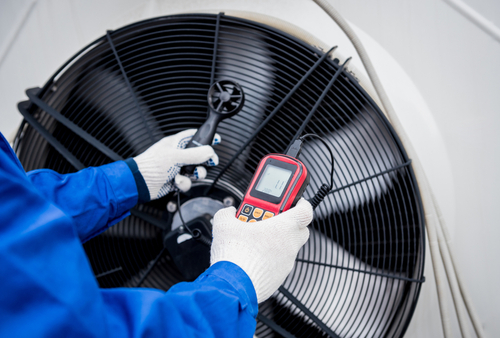
Testing,with,an,anemometer,of,an,axial,fan,of,the

HVAC systems play a crucial role in maintaining comfortable indoor temperatures, ventilation, and air quality in our homes and workplaces. However, like any other mechanical equipment, HVAC systems have a finite lifespan. In this article, we will explore the average lifespan of HVAC systems and provide helpful tips on how to extend their longevity.

The Average Lifespan of HVAC Systems

The lifespan of an HVAC system can vary depending on several factors, such as the quality and brand of the equipment, regular maintenance, usage patterns, and environmental conditions. On average, a well-maintained HVAC system can last between 15 to 20 years. However, some systems may start experiencing efficiency issues or breakdowns after around 10 years.

Factors that Affect HVAC System Lifespan

Several factors can impact the lifespan of an HVAC system:

1. Maintenance: Proper and regular maintenance is essential to ensure the longevity of an HVAC system. Regular inspections, cleaning, and servicing by a professional HVAC technician can identify potential issues early and prevent major breakdowns.

2. Usage and Load: The frequency and duration of use also impact the lifespan of an HVAC system. Systems used year-round or subjected to heavy loads, such as in commercial spaces or homes with large families, tend to have a shorter lifespan.

3. Environmental Conditions: The climate and environmental conditions in which an HVAC system operates can affect its lifespan. Extreme temperatures, high humidity, airborne particles, and corrosive environments can put additional strain on the system, increasing wear and tear.

Tips to Extend the Lifespan of HVAC Systems

1. Regular Maintenance: As mentioned earlier, regular maintenance is crucial for extending the lifespan of an HVAC system. It is recommended to schedule professional HVAC inspections and maintenance at least once a year, preferably before the start of the heating or cooling season. This will ensure that any potential issues are addressed promptly, improving the system’s efficiency and reducing the risk of breakdowns.

2. Change Air Filters: Air filters play a vital role in maintaining indoor air quality and protecting the HVAC system from dust, dirt, and debris. Clogged filters restrict airflow, increase energy consumption, and put strain on the system components. Regularly changing the air filters, typically every 1-3 months, depending on usage and environmental conditions, will help keep the system running efficiently and extend its lifespan.

3. Clean Outdoor Unit: The outdoor unit of an HVAC system (the condenser unit) is exposed to outdoor elements, such as leaves, dust, and debris. Ensure that the unit is clean and free from obstructions. Regularly remove any debris and trim vegetation around the unit to allow for proper airflow.

4. Maintain Consistent Temperatures: Rapid temperature fluctuations can put stress on the HVAC system. It is recommended to set the thermostat to a consistent temperature and avoid frequent adjustments. This will allow the system to operate more efficiently and reduce unnecessary wear and tear.

5. Invest in Programmable Thermostats: Programmable thermostats allow you to set temperature schedules based on your daily routine. By automatically adjusting the temperature when no one is present or during sleeping hours, programmable thermostats help reduce energy consumption and give the HVAC system some rest, ultimately extending its lifespan.

6. Address Issues Promptly: If you notice any unusual sounds, strange odors, or inadequate heating/cooling, do not ignore them. These may be signs of underlying issues that, if left unaddressed, can lead to more significant problems and costly repairs. Contact a professional HVAC technician as soon as possible to diagnose and fix the problem.

Summary

Understanding the average lifespan of HVAC systems and implementing proper maintenance practices can help extend their longevity. Regular maintenance, changing air filters, cleaning the outdoor unit, maintaining consistent temperatures, utilizing programmable thermostats, and addressing issues promptly are all important factors in maximizing the lifespan of your HVAC system. By following these helpful tips, you can ensure that your HVAC system operates efficiently and provides comfort for many years to come.

Need HVAC Services in St. Louis, MO?

Keep cool or stay warm with Ashley Brothers Heating & Cooling. Since 1999, Ashley Brothers have been providing residential and commercial services to the St. Louis and Jefferson County area. We specialize in the installation of new equipment, heating and cooling repair, and furnace cleaning. Craftsmanship is important, equipment choice is too. We work with only top brands like Amana, Goodman, York, and McLain. It is understandable that replacing or upgrading your equipment can be daunting. Ask us about financing. We repair all heating and cooling equipment brands. Heating and cooling repairs can happen at random, take advantage of our 24-hour emergency service. Call us today about your concerns.

How Do You Prevent Your HVAC System From Freezing?

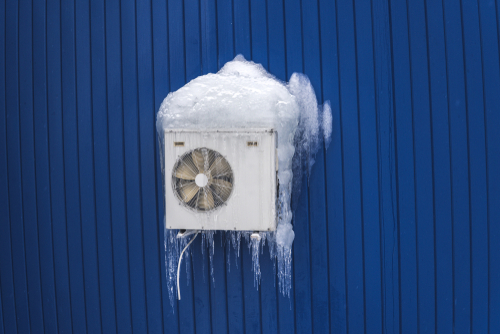
Air,conditioning,in,ice,,severe,winter.,white,air,conditioner

As the temperature drops during the winter months, the possibility of your HVAC system freezing increases. A frozen HVAC system can lead to costly repairs and, in severe cases, a complete breakdown of your system. To avoid these issues and ensure that your heating and cooling system operates efficiently, it is essential to follow some preventive measures. In this blog, we will discuss some helpful tips and strategies to prevent your HVAC system from freezing.

1. Maintain Adequate Airflow

One of the primary causes of a frozen HVAC system is restricted or inadequate airflow. To maintain an optimal flow of air, make sure that all vents and registers are free from any obstructions such as furniture, curtains, or rugs. Additionally, it is crucial to regularly clean or replace air filters. A clogged or dirty air filter restricts airflow, leading to a decreased efficiency of your HVAC system and potentially causing it to freeze.

2. Insulate Your Home

Proper insulation is key to maintaining a consistent indoor temperature and preventing your HVAC system from freezing. Ensure that your home is properly insulated, especially in areas where your HVAC system is located, such as the basement or attic. Proper insulation will help keep the cold air out and the warm air in, preventing any freeze-ups.

3. Seal Ductwork

Sealing the ductwork is another effective way to prevent your HVAC system from freezing. Check for any leaks or cracks in the ducts and seal them properly. Leaky ducts allow cold air to enter, which can cause moisture to accumulate and freeze within the system. By sealing the ductwork, you can maintain a more stable and adequate temperature, reducing the risk of freezing.

4. Maintain Proper Thermostat Settings

Setting your thermostat correctly is essential for preventing your HVAC system from freezing. It is recommended to keep your thermostat at a minimum of 55°F (13°C) during the colder winter months, even if you are away from home. This will ensure that the heat is distributed evenly throughout the system, preventing any freeze-ups.

5. Schedule Regular HVAC Maintenance

Regular maintenance is essential to keep your HVAC system in top-notch condition and prevent freezing issues. Schedule yearly inspections and tune-ups with a professional HVAC technician. During these visits, the technician will examine your system, clean any dirt or debris, inspect the refrigerant levels, and ensure that all components are functioning correctly. Timely maintenance will detect any potential issues and allow for necessary repairs, helping to prevent freezing problems.

6. Clear Outdoor Unit

If you have an outdoor HVAC unit, it is important to keep it clear of any debris, snow, or ice. Accumulated snow or ice can restrict airflow and cause the system to freeze. Regularly check your outdoor unit and remove any obstructions. If you notice excessive ice buildup, turn off your system immediately and contact a professional HVAC technician to assess the situation.

Summary

Preventing your HVAC system from freezing requires proactive measures to ensure adequate airflow, proper insulation, and regular maintenance. By maintaining these practices, you can minimize the risk of freeze-ups and prolong the lifespan of your system. Remember to consult with a professional HVAC technician for any specific concerns or issues with your HVAC system. Stay proactive in maintaining your HVAC system to keep your home comfortable all year round.

Need HVAC Services in St. Louis, MO?

Keep cool or stay warm with Ashley Brothers Heating & Cooling. Since 1999, Ashley Brothers have been providing residential and commercial services to the St. Louis and Jefferson County area. We specialize in the installation of new equipment, heating and cooling repair, and furnace cleaning. Craftsmanship is important, equipment choice is too. We work with only top brands like Amana, Goodman, York, and McLain. It is understandable that replacing or upgrading your equipment can be daunting. Ask us about financing. We repair all heating and cooling equipment brands. Heating and cooling repairs can happen at random, take advantage of our 24-hour emergency service. Call us today about your concerns.

5 Reasons You Need an HVAC Maintenance Plan


5 Reasons You Need an HVAC Maintenance Plan

The HVAC system in your home is a huge investment. That’s why it’s important to make sure that it’s always in good working order. Having an HVAC maintenance plan is a great way to keep your system running at peak performance and avoid costly repairs down the road. Here are 5 reasons you need to consider getting an HVAC maintenance plan:

Early Problem Detection

When it comes to HVAC systems, early problem detection is crucial. It means catching potential issues before they become a major repair bill or cause your family serious health risks. It also means avoiding problems that could lead to expensive replacements or repairs down the road, like carbon monoxide leaks. The good news is that smart analytics can be used to detect faults and problems in their earliest stages. This enables technicians to prevent breakdowns and reduce energy usage by 5-15%. This is a great advantage to anyone who wants their home or office to operate at peak efficiency and minimize their monthly utility bills. Especially if you have a young family or live in a climate where weather can be unpredictable, having an HVAC maintenance plan is essential to ensuring your system runs at its best.

Improved Energy Efficiency

When it comes to heating and cooling your home, it’s important that you have a system that can operate at peak efficiency. This can reduce your energy bills and keep you comfortable year-round. HVAC systems often require periodic inspections and maintenance to keep them running at optimal performance. Performing these tasks on a regular basis can help you save money on your energy bills and increase the lifespan of your HVAC system. When it comes to the air conditioning portion of your HVAC system, one of the most important steps is cleaning the coils. This ensures that the coils are free of dust and other debris that can reduce airflow and affect your system’s effectiveness.

Priority Service

When you sign up for a maintenance plan, you get priority service when it comes to HVAC issues. This is a big deal when you need air conditioning or heating urgently and want to avoid waiting in line for an appointment. A maintenance plan can also save you money in other ways. For example, many plans offer discounts on diagnostics and repairs that you might not otherwise get. In addition, most plans offer perks for joining the maintenance program, such as discounted rates for diagnostics and emergency services on weekends and holidays. This is especially important if you have young children or elderly family members who are prone to heat exhaustion in extreme temperatures.

Discounts On Repairs

When an HVAC maintenance plan is in place, you can get discounts on repairs that you might otherwise have to pay a lot for. Typically, these savings will come in the form of parts and labor discounts. These can add up to a substantial amount over time. Especially when you consider that most manufacturers require proof of annual maintenance before issuing an equipment warranty. Getting an HVAC service contract is one of the best ways to make sure your system stays in optimal condition and runs at peak efficiency for as long as possible. In addition, it can help you save money on energy bills year-round.

Maintain Equipment Warranty

Keeping up with annual maintenance of your equipment can help you avoid having to void your warranty in the future. Often, manufacturers will ask for documentation that your HVAC system has had routine maintenance performed, and neglecting this maintenance can have serious consequences. In many cases, your HVAC warranty can be void if you skip regular maintenance or use off-brand parts on your HVAC unit. For example, if you buy parts from an un-reputable company and install them on your unit, the manufacturer will not be able to guarantee that their product is working properly.