With increasing concerns about energy consumption and rising utility costs, it is important to ensure that your HVAC (Heating, Ventilation, and Air Conditioning) unit is energy efficient. An energy-efficient HVAC system not only helps to reduce your carbon footprint but also saves you money in the long run. In this blog post, we will discuss the indicators of an energy-efficient HVAC unit and how to determine if your system is up to par.
1. Seasonal Energy Efficiency Ratio (SEER):
SEER is a measure of the cooling efficiency of an air conditioning unit. The higher the SEER rating, the more energy efficient the unit is. In general, a SEER rating of 14 or higher is considered to be energy efficient. If your HVAC unit is old and has a low SEER rating, it may be worth considering an upgrade to a more energy-efficient model. Investing in a unit with a higher SEER rating can result in significant energy savings over time.
2. Energy Star Certification:
Look for the Energy Star label when purchasing or evaluating your HVAC unit. Energy Star certification indicates that the product meets strict energy efficiency guidelines set by the Environmental Protection Agency (EPA). Energy Star certified HVAC units are designed to use less energy and may include features such as advanced controls and improved insulation. If your HVAC unit has an Energy Star label, it is a good indication that it is energy efficient.
3. Programmable Thermostat:
An energy-efficient HVAC unit should be paired with a programmable thermostat. Programmable thermostats allow you to set specific temperatures for different times of the day, allowing for better control over your heating and cooling settings. This helps to optimize energy usage by adjusting temperatures when you are away or asleep, reducing unnecessary energy consumption. If your HVAC unit is controlled by a programmable thermostat, it is a positive sign that your system is energy efficient.
4. Proper Sizing and Installation:
An appropriately sized HVAC unit is essential for energy efficiency. A unit that is too large will cycle on and off frequently, resulting in wasted energy and increased wear and tear on the system. On the other hand, a unit that is too small will struggle to meet the demands of the space, leading to inefficient operation and higher energy bills. It is important to have a professional HVAC technician properly size and install your unit to ensure optimal energy efficiency.
5. Regular Maintenance:
Regular maintenance is crucial for the energy efficiency of your HVAC unit. Dust, dirt, and debris can accumulate on the air filters, coils, and other components of the system, reducing its efficiency and performance. Regularly cleaning or replacing air filters, cleaning coils, and scheduling professional maintenance can ensure that your unit operates at peak efficiency. Additionally, regular maintenance can help identify and address any issues that may be impacting the energy efficiency of your HVAC system.
6. Energy Consumption and Utility Bills:
Monitoring your energy consumption and utility bills can give you an idea of the energy efficiency of your HVAC unit. If your energy usage and bills are consistently high despite minimal changes in your usage patterns, it may be an indicator that your HVAC unit is not operating efficiently. Comparing your energy consumption and bills to previous years or similar households can provide insight into the performance of your HVAC system.
Conclusion:
Having an energy-efficient HVAC unit is not only beneficial for the environment but also for your wallet. By considering factors such as SEER ratings, Energy Star certification, a programmable thermostat, proper sizing and installation, regular maintenance, and monitoring energy consumption and utility bills, you can determine if your HVAC unit is energy efficient. If you find that your current unit is not meeting the energy efficiency standards, it may be a good idea to explore options for upgrading to a more energy-efficient model. By investing in energy-efficient HVAC technology, you can enjoy the comfort of your home while minimizing your impact on the environment and maximizing energy savings.
Got Questions? Let Us Help!
Keep cool or stay warm with Ashley Brothers Heating & Cooling. Since 1999, Ashley Brothers have been providing residential and commercial services to the St. Louis and Jefferson County area. We specialize in the installation of new equipment, heating and cooling repair, and furnace cleaning. Craftsmanship is important, equipment choice is too. We work with only top brands like Amana, Goodman, York, and McLain. It is understandable that replacing or upgrading your equipment can be daunting. Ask us about financing. We repair all heating and cooling equipment brands. Heating and cooling repairs can happen at random, take advantage of our 24-hour emergency service. Call us today about your concerns.
As the hot summer months approach, keeping your home cool and comfortable becomes a top priority. Your air conditioner plays a vital role in maintaining a pleasant indoor environment, but like any other appliance, it may require repair or replacement over time. In this blog post, we will discuss some common signs that indicate your air conditioner is in need of professional attention.
1. Weak Airflow
One of the most noticeable signs of a struggling air conditioner is weak airflow. If you notice that the air coming out of your vents is not as strong as it used to be, it could indicate a problem with your AC unit. Weak airflow can be caused by a clogged air filter, a faulty fan motor, or even ductwork issues. It is crucial to address this issue promptly, as stagnant air can lead to discomfort and reduced indoor air quality.
2. Warm Air
If your air conditioner is blowing warm air instead of cool air, it is a clear sign that something is not right. There are several potential causes for this problem, including a refrigerant leak, a malfunctioning compressor, or a faulty thermostat. While some issues can be resolved through repair, others may require a full system replacement. Consulting with an HVAC professional will help you determine the best course of action.
3. Excessive Noise
Air conditioners are designed to operate quietly, so if you notice unusual or excessive noise, it is a red flag. Grinding, banging, or squealing noises may indicate worn-out or loose components, such as belts or fan blades. Ignoring these sounds can lead to further damage and potentially result in a complete system breakdown. A professional technician can diagnose the source of the noise and perform the necessary repairs or replacements.
4. High Energy Bills
A sudden increase in your energy bills without a corresponding increase in usage can be a sign that your air conditioner is not functioning efficiently. Several factors can contribute to this, such as an aging system, leaky ductwork, or inadequate insulation. In some cases, it may be more cost-effective to replace your old unit with a new, energy-efficient model to reduce your long-term energy expenses.
5. Frequent Breakdowns
If you find yourself repeatedly calling for AC repairs, it may be a strong indication that your system is on its last legs. As air conditioners age, they become more prone to breakdowns and malfunctions. Continuously investing in repairs for an outdated system may end up costing you more in the long run than investing in a new, reliable air conditioner.
6. Foul Odors
Unpleasant odors coming from your air vents can be a sign of mold or other contaminants in your system. These odors can not only make your home smell unpleasant but can also have a negative impact on your indoor air quality and health. It is recommended to have a professional inspect and clean your air conditioner to eliminate any potential hazards.
7. Age of the System
The lifespan of an air conditioner typically ranges from 10 to 15 years. If your unit is nearing or has exceeded this average lifespan, it may be time to consider a replacement. Older units tend to be less energy-efficient, have outdated technology, and require more frequent repairs. Investing in a new air conditioner will not only provide better comfort but also save you money on energy bills in the long run.
Summary
Recognizing the signs that your air conditioner needs repair or replacement is essential to maintain a comfortable and efficient home. Weak airflow, warm air, excessive noise, high energy bills, frequent breakdowns, foul odors, and the age of the system are all indicators that your AC unit requires professional attention. Consulting with an experienced HVAC technician can help you assess the condition of your air conditioner and determine the best course of action to ensure optimal performance and longevity.
Got Questions? Let Us Help!
Keep cool or stay warm with Ashley Brothers Heating & Cooling. Since 1999, Ashley Brothers have been providing residential and commercial services to the St. Louis and Jefferson County area. We specialize in the installation of new equipment, heating and cooling repair, and furnace cleaning. Craftsmanship is important, equipment choice is too. We work with only top brands like Amana, Goodman, York, and McLain. It is understandable that replacing or upgrading your equipment can be daunting. Ask us about financing. We repair all heating and cooling equipment brands. Heating and cooling repairs can happen at random, take advantage of our 24-hour emergency service. Call us today about your concerns.
As the warm temperatures of summer settle in, most homeowners often forget about their heaters. After all, why would you need to worry about a heating system when you are enjoying sunny days and balmy nights? However, neglecting your heater during the summer months can lead to problems when winter arrives. Taking care of your heater during the summer is essential to ensure that it functions properly when you need it most. Here are some useful tips to help you care for your heater during the summer season.
1. Clean or Replace the Air Filters
One of the simplest yet most important tasks you can do for your heater is to clean or replace the air filters regularly. During the summer, when your heater is not in use, dust and debris can accumulate in the filters. This buildup can restrict airflow when you eventually turn the heater on again. As a result, your heater may have to work harder, compromising its efficiency and possibly leading to higher energy bills. Cleaning or replacing the air filters at least once a month during the summer will help keep your system running smoothly.
2. Check and Clean the Vents
During the summer months, it’s crucial to inspect your heating system’s vents for any obstructions or debris. Over time, vents can become clogged with dust, pet hair, or other debris, which can impede the flow of warm air when your heater is in operation again. Take a moment to conduct a visual inspection of the vents, and use a vacuum cleaner or a soft brush to remove any buildup. This simple step can improve the airflow and overall performance of your heater.
3. Schedule a Professional Maintenance Visit
While it’s true that your heater doesn’t get much use during the summer, it doesn’t mean you should skip a professional maintenance visit. Having a qualified technician inspect your heater once a year, regardless of the season, is essential for its longevity and efficiency. A professional will check the various components, clean any debris, and perform necessary repairs to prevent more significant problems in the future. Scheduling a maintenance visit during the summer ensures that your heater is ready to keep you warm and comfortable when the colder months arrive.
4. Protect Your Heater from the Elements
Although your heater is built to withstand harsh weather conditions, it’s still a good idea to protect it from the elements during the summer. If your heater is located outdoors, make sure it has a cover or is shielded from direct sunlight, rain, or debris from trees. Exposure to the sun and moisture can cause damage to the unit, reducing its efficiency and lifespan. Additionally, consider clearing any vegetation or debris around the unit to prevent potential obstructions and improve airflow.
5. Ensure Proper Insulation
During the summer, it’s the perfect time to check and improve the insulation in your home. Adequate insulation helps to maintain consistent temperatures and reduce heat loss or gain. It also puts less strain on your heating system when it’s in use, prolonging its lifespan. Inspect the insulation around your home, paying particular attention to areas like the attic, basement, and crawl spaces. If necessary, consider adding more insulation or repairing any damaged sections to create a more energy-efficient and comfortable environment.
Summary
By taking care of your heater during the summer months, you can ensure it operates efficiently and lasts for years to come. Cleaning or replacing the air filters, checking and cleaning the vents, scheduling professional maintenance visits, protecting the unit from the elements, and improving insulation are all crucial steps to care for your heater properly. Keep these tips in mind, and you’ll be well-prepared for those cold winter nights when you need the warmth of your heater the most.
Got Questions? Let Us Help!
Keep cool or stay warm with Ashley Brothers Heating & Cooling. Since 1999, Ashley Brothers have been providing residential and commercial services to the St. Louis and Jefferson County area. We specialize in the installation of new equipment, heating and cooling repair, and furnace cleaning. Craftsmanship is important, equipment choice is too. We work with only top brands like Amana, Goodman, York, and McLain. It is understandable that replacing or upgrading your equipment can be daunting. Ask us about financing. We repair all heating and cooling equipment brands. Heating and cooling repairs can happen at random, take advantage of our 24-hour emergency service. Call us today about your concerns.
Air conditioners are an essential appliance in many households, providing much-needed relief during hot summer months. However, like any other electrical appliance, they require regular maintenance and care to ensure they function efficiently and have an extended lifespan. In this blog post, we will discuss some simple yet effective ways to extend the life of your air conditioner, saving you money on repairs and replacements in the long run.
Keep Your Filters Clean and Clear
One of the most important aspects of maintaining your air conditioner is regularly cleaning and replacing the filters. Over time, air filters can become clogged with dust, dirt, and debris, obstructing airflow and reducing the efficiency of your unit. This puts additional strain on the system and can lead to premature wear and tear. To extend the life of your air conditioner, make it a habit to clean or replace your filters at least once every three months.
Regularly Inspect and Clean the Outdoor Condenser
The outdoor condenser unit of your air conditioner is exposed to the elements, making it susceptible to dirt, leaves, grass clippings, and other debris. These obstructions can hinder the unit’s ability to dissipate heat, causing it to work harder and reducing its operational efficiency. To extend the life of your air conditioner, inspect the outdoor unit regularly and remove any debris. You can use a garden hose to gently wash away dirt and grime from the fins, ensuring optimal airflow.
Schedule Annual Maintenance
Just like your car, your air conditioner also benefits from regular professional maintenance. Hiring a certified technician to inspect and service your unit once a year can greatly extend its lifespan. During these maintenance visits, the technician will thoroughly clean and lubricate the components, check for any leaks, test the refrigerant levels, and ensure all electrical connections are secure. These preventative measures can catch minor issues before they escalate into major problems, saving you from costly repairs down the line.
Optimize Your Thermostat Usage
By optimizing your thermostat usage, you can reduce the strain on your air conditioner and extend its life. Consider programming your thermostat to higher temperatures when no one is at home, enabling it to rest and consume less energy. Smart thermostats allow you to schedule temperature adjustments throughout the day, ensuring your home remains comfortable when you are there, and reduces the workload on the air conditioner during your absence.
Promote Airflow in Your Home
Good airflow is crucial for the efficient functioning of your air conditioner. Improper airflow not only reduces cooling effectiveness, but it can also strain the system, resulting in higher energy consumption and a shorter lifespan. To promote airflow, avoid blocking vents with furniture or other obstructions. Ensure that the return vents are clean and unblocked to allow air to move freely. Regularly vacuum your home to remove dust and pet hair that can accumulate and circulate through your air conditioner.
Reduce Heat Sources
Your air conditioner’s life can be extended by minimizing the heat generated within your home. Consider using energy-efficient appliances, such as LED lights, that emit less heat. Make sure your windows and doors are properly sealed to prevent heat from entering your home. Using blinds, curtains, or reflective films can also help in blocking out sunlight and reducing the need for your air conditioner to work harder to cool the space.
Final Thoughts
Your air conditioner is an investment that deserves regular care and maintenance to ensure it continues to provide reliable cooling for years to come. By following these simple tips to extend the life of your air conditioner, you can save money on repairs, decrease energy consumption, and enjoy a comfortable living space throughout the summer months. Remember, a well-maintained air conditioner not only saves you money but also helps the environment by reducing carbon emissions. So, take the time to care for your air conditioner, and it will reward you with optimal performance and a longer lifespan.
Got Questions? Let Us Help!
Keep cool or stay warm with Ashley Brothers Heating & Cooling. Since 1999, Ashley Brothers have been providing residential and commercial services to the St. Louis and Jefferson County area. We specialize in the installation of new equipment, heating and cooling repair, and furnace cleaning. Craftsmanship is important, equipment choice is too. We work with only top brands like Amana, Goodman, York, and McLain. It is understandable that replacing or upgrading your equipment can be daunting. Ask us about financing. We repair all heating and cooling equipment brands. Heating and cooling repairs can happen at random, take advantage of our 24-hour emergency service. Call us today about your concerns.
How Does Humidity Affect Air Conditioning Systems?
When it comes to maintaining a comfortable indoor environment, air conditioning systems play a crucial role. They help regulate the temperature and humidity levels, ensuring a pleasant atmosphere for everyone. While most people are aware of the importance of temperature control, the role of humidity in air conditioning systems is often overlooked. In this blog post, we will discuss how humidity affects air conditioning systems and why it is essential to manage humidity levels for optimal comfort and efficiency.
Understanding Humidity Levels
Before diving into the impact of humidity on air conditioning systems, it’s important to understand what humidity levels are. Humidity refers to the amount of moisture or water vapor present in the air. It is measured using a metric called relative humidity (RH), which represents the percentage of moisture in the air relative to the maximum amount it can hold at a particular temperature.
Ideal indoor humidity levels typically range between 30% and 50%. Anything below 30% can result in dry and uncomfortable conditions, while levels above 50% can lead to a sticky and clammy environment.
Impact on Cooling Efficiency
Humidity can have a significant impact on the cooling efficiency of air conditioning systems. When the air is moist and humid, it feels much warmer than it actually is. This is because the moisture in the air prevents sweat from evaporating off our skin, making us feel hotter.
To combat this, air conditioners not only cool the air but also dehumidify it. When humid air passes through the air conditioning system, the evaporator coil cools the air, causing moisture to condense and collect in the condensate drain pan. This process helps lower the humidity levels and improve overall comfort.
However, excessive humidity can strain the air conditioning system, making it less efficient. When humidity levels are too high, the system needs to work harder and run for longer periods to remove moisture from the air. This not only increases energy consumption but also puts additional wear and tear on the system, potentially leading to premature breakdowns and costly repairs.
Effect on Indoor Air Quality
Humidity levels can also have a direct impact on indoor air quality. High humidity creates a favorable environment for the growth of mold, mildew, and other allergens. These pollutants thrive in damp conditions and can contribute to respiratory issues and allergies. Additionally, high humidity levels can cause musty odors and promote the spread of bacteria and viruses.
Air conditioning systems help combat these issues by removing excess moisture from the air. By maintaining appropriate humidity levels, air conditioning systems effectively reduce the presence of allergens and improve indoor air quality, creating a healthier environment for occupants.
Managing Humidity Levels
To ensure proper humidity control, consider the following measures:
1. Size your air conditioning system correctly: An overly large or undersized system may not effectively manage humidity levels. Ensure that the system is properly sized for your space by consulting with a professional HVAC technician.
2. Set the thermostat to the appropriate fan setting: Most thermostats have an “auto” and a “on” setting for the fan. Using the “auto” setting will allow the air conditioner to cycle the fan as necessary, helping to dehumidify the air more effectively.
3. Use a dehumidifier: In spaces with persistent high humidity, such as basements or areas with poor ventilation, a standalone dehumidifier can be used in conjunction with the air conditioning system to manage moisture levels.
4. Regular maintenance: Schedule routine maintenance for your air conditioning system to ensure it is operating at peak performance. This includes cleaning or replacing air filters, inspecting and cleaning the evaporator coils, and checking the condensate drain line for any blockages.
Conclusion
Humidity plays a vital role in the operation of air conditioning systems and the overall comfort of indoor environments. Excessive humidity puts strain on the system, reduces cooling efficiency, and negatively impacts indoor air quality. By understanding the effects of humidity on air conditioning systems and implementing appropriate measures to manage humidity levels, you can optimize comfort, energy efficiency, and indoor air quality. Consult with a professional HVAC technician to ensure your system is properly sized and maintained for optimal performance.

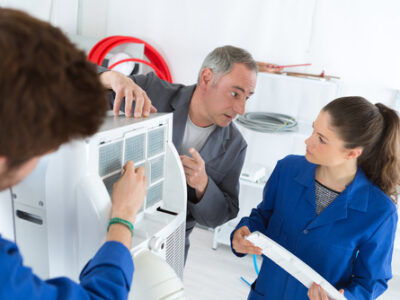 With increasing concerns about energy consumption and rising utility costs, it is important to ensure that your HVAC (Heating, Ventilation, and Air Conditioning) unit is energy efficient. An energy-efficient HVAC system not only helps to reduce your carbon footprint but also saves you money in the long run. In this blog post, we will discuss the indicators of an energy-efficient HVAC unit and how to determine if your system is up to par.
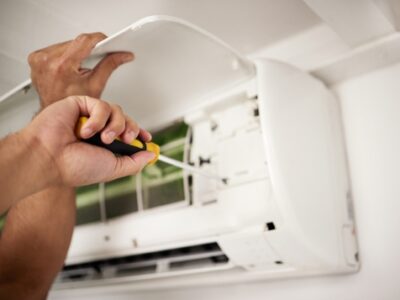 As the hot summer months approach, keeping your home cool and comfortable becomes a top priority. Your